
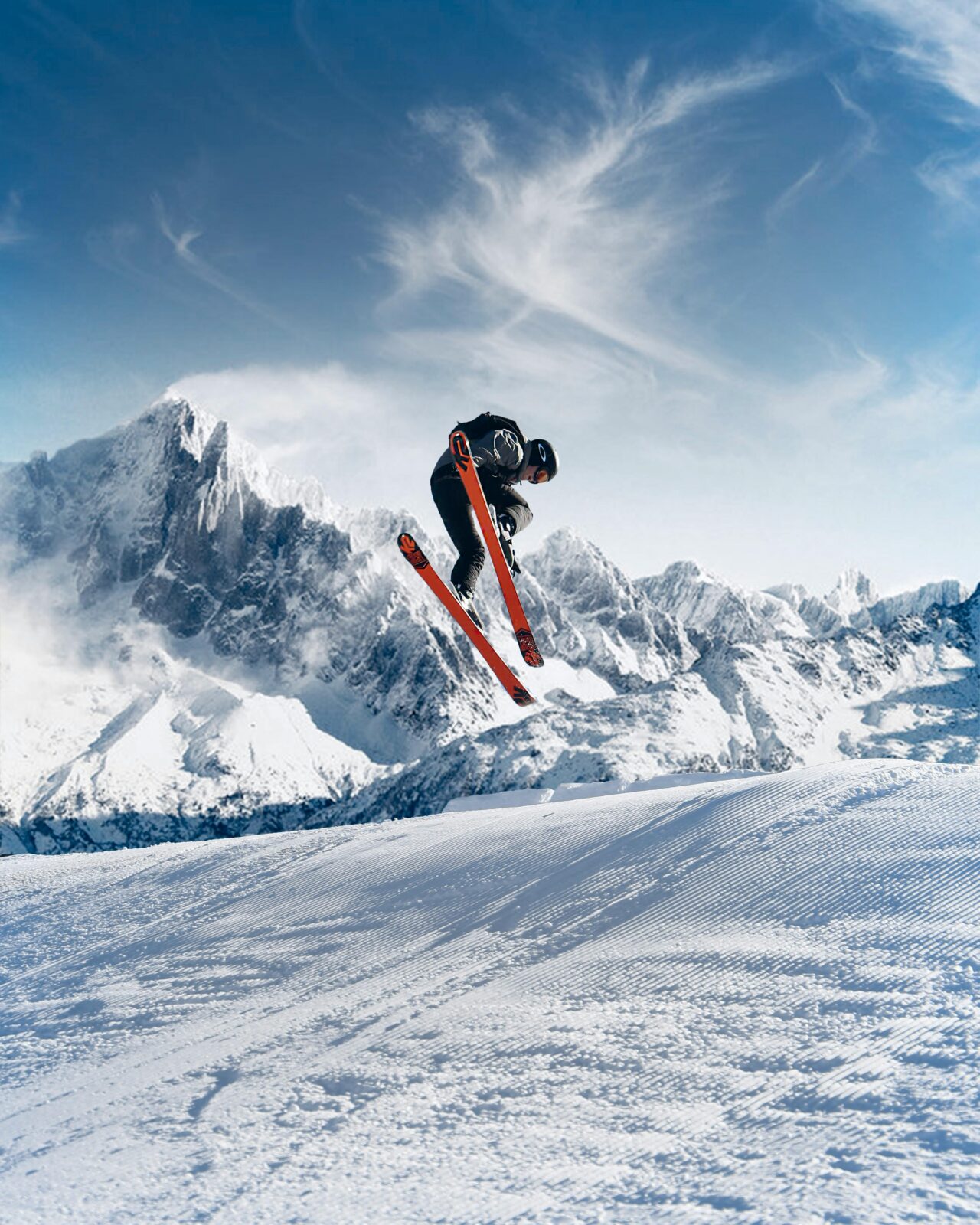
ACL injuries are among the most common serious knee injuries in alpine skiing because the sport combines speed, uneven terrain, and sudden directional changes that place rotational stress on the knee. When a skier falls with the ski fixed in the snow as the body continues to rotate, the anterior cruciate ligament (ACL) can tear. Knee injuries make up a large percentage of skiing injuries, and ACL tears are especially significant for athletes hoping to return to high-level athletic performance. Due to the demands of skiing, including cutting, pivoting, and absorbing force during landings, a stable and well-rehabilitated knee is essential before returning to the slopes.
Recovery from an ACL injury typically follows a structured and progressive process that focuses on restoring mobility, strength, and neuromuscular control. Early rehabilitation prioritizes reducing swelling and regaining knee extension and flexion, while later phases focus on rebuilding quadriceps and hamstring strength and improving balance and movement mechanics. At Mend we emphasize a criteria-based approach to recovery rather than relying solely on months since surgery. Progress is guided by measurable milestones—such as strength symmetry between legs, quality of movement patterns, and functional testing—ensuring that the knee is prepared for the physical demands of skiing.
Across the typical 9 to 12 month recovery timeline, physical therapy progresses significantly. During the first six weeks, treatment focuses on controlling pain and swelling while restoring basic range of motion and normal walking mechanics. Between two and four months, strengthening becomes the primary focus, targeting the quadriceps, hamstrings, and hip muscles to rebuild stability around the knee. Around the four- to six-month mark, rehabilitation progresses to more dynamic activities such as jumping, agility drills, and controlled cutting movements that replicate athletic demands. In the final months, athletes work through advanced sport-specific training—including power development, single-leg control, and landing mechanics—to ensure they can tolerate the forces associated with skiing.
For many skiers, returning to the slopes after an ACL tear is achievable but requires patience and a thoughtful progression back to sport. Athletes commonly spend nine months or more in structured rehabilitation before returning to pivoting sports like skiing. We describe return to sport as more of a “dimmer switch” than a light switch, meaning activity levels should gradually increase as strength, confidence, and performance improve. With consistent physical therapy, progressive strength training, and a carefully planned return-to-sport strategy, many skiers can successfully return to high-level performance while reducing their risk of reinjury.
Click Here to schedule your next appointment with the experts at MEND