Blog

Ankle mobility is essential for both daily walking tasks as well as higher level athletics and sports participation.  In our Physical Therapy practice in Boulder we see a loss of dorsiflexion, bending, among athletes with lower extremity injuries and conditions.  A lack of ankle bend, dorsiflexion, has been associated with many conditions including heel pain, plantar...

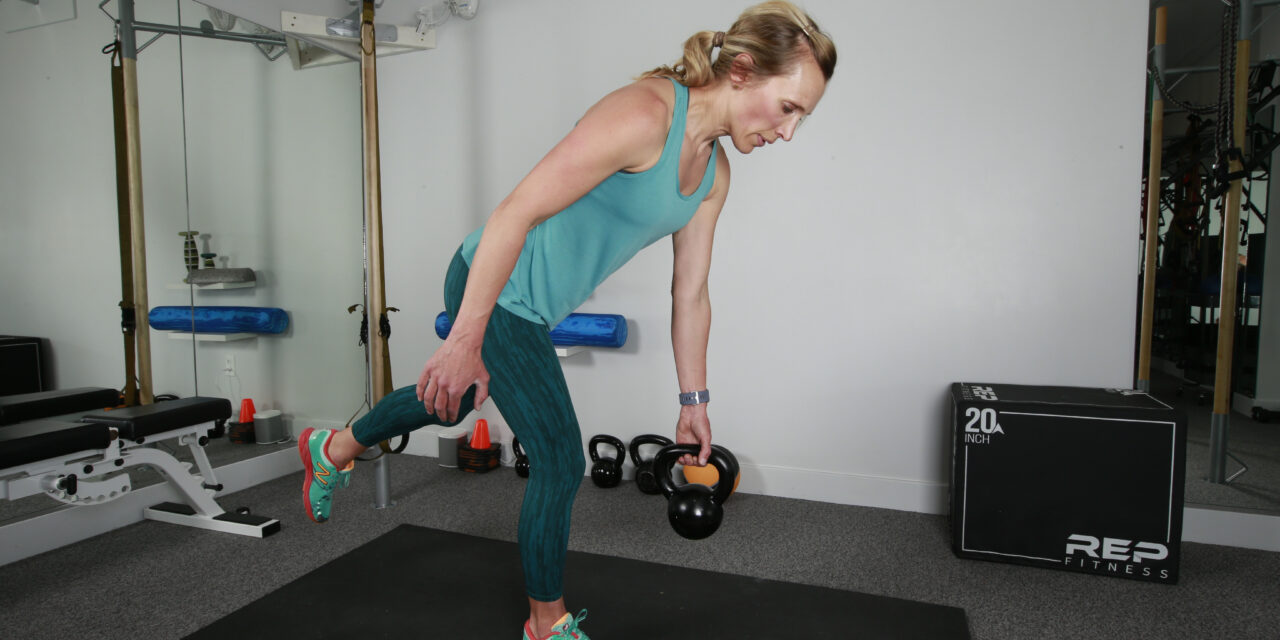
The step down test is an important Physical Therapy test to determine the ability of our athletes to stabilize their lower extremity in single leg stance.  Proper performance of this test requires adequate strength, balance, control, and mobility in the lower extremity.  Often athletes with lower extremity or spinal pain have a significant asymmetry in...

The achilles tendon is a strong, durable structure capable of absorbing and producing large loads as we walk, hike, and run.  When the tendon is overloaded without adequate recovery periods this structure is prone to painful and limiting conditions such as achilles tendonitis and tendinopathy.  One of the important risk factors for achilles injury among...

Most of us perform stretching and mobility as a complement to our endurance and strength training.  Mobility work clearly has a role in our programs to reduce stiffness, soreness, and improve our ability to move more comfortably through a functional range of motion.  Our previous blog posts have described the debates around the roles of...

In a previous post, we detailed the latest research on the importance of ankle mobility on knee mechanics.  During weight bearing the shin, tibia, must be able to move forward over the fixed ankle and foot.  Without adequate ankle flexibility and shin moved over the foot to the inside placing the knee at risk of...

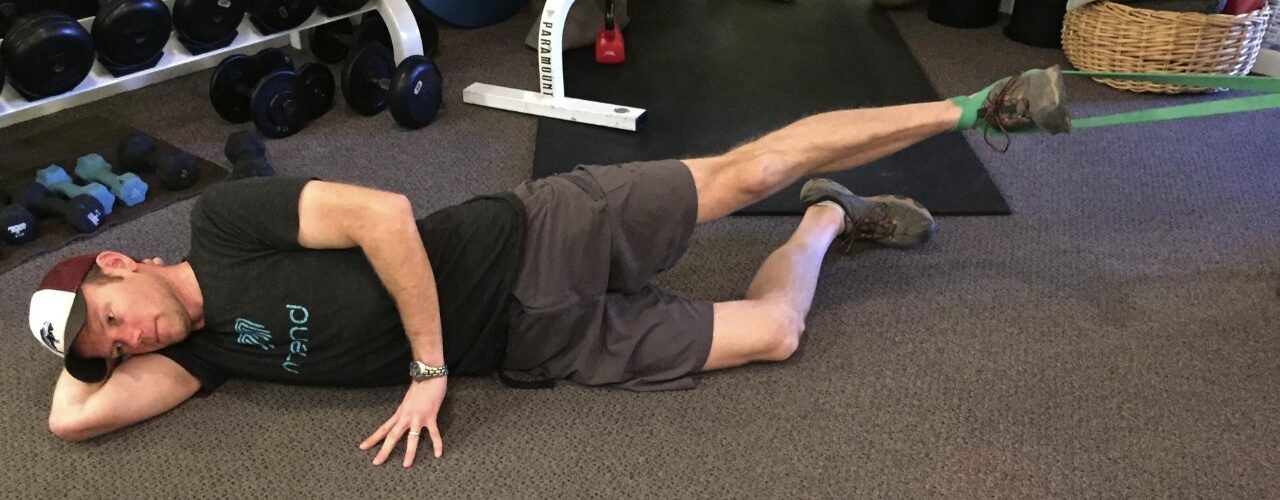
Photo Credit: cyclingweekly.com In a prior post we discussed the prevention, treatment, and prognosis for iliotibial band syndrome.  The iliotibial band is commonly injured due to poor running biomechanics (cross over running gait) and muscle imbalances.  Specifically, weakness in the gluteus medius and maximus and an overutilization of the tensor fascia lata muscle which connects...

Shoulder pain is the 2nd most common orthopedic reason patients seek out medical care behind low back pain.  Shoulder pain has many causes including lack of mobility, shoulder blade and rotator cuff weakness, but posture is often criticized as a risk factor for shoulder pain.  Clinicians and patients believe a poor posture places structures such...

The role of ankle mobility on injury risk and performance has been previously described in our prior blog posts.  These posts have described the correlation between a lack of mobility at the ankle and knee injuries including patellofemoral knee pain and ACL injury, as well as, ankle sprains and achilles tendonitis.  A lack of ankle...

The ankle plays a critical role in the ability of the knee to stay over the foot during functional tasks such as walking, running, and stair climbing.  Under normal conditions the mobility of the ankle allows the leg to move forward over the weight bearing foot.  If this range of motion is limited, the leg...