
Blog

Why to perform static stretching AFTER running: The ability of an individual to reach maximal performance in distance running is determined by VO2 Max (the body’s ability to utilize oxygen), lactate threshold, and running economy. Running economy is determined by the oxygen cost to perform a given aerobic activity a sub maximum level. Similar to...

The rate of running related injuries ranges from 19-85% with the majority of these runners do not return to prior levels of running (van Gent et al. 2007). Poor running mechanics and abnormal loading patterns have been documented as risk factors for future injury and can perpetuate current injuries. A recent review article highlighted the...

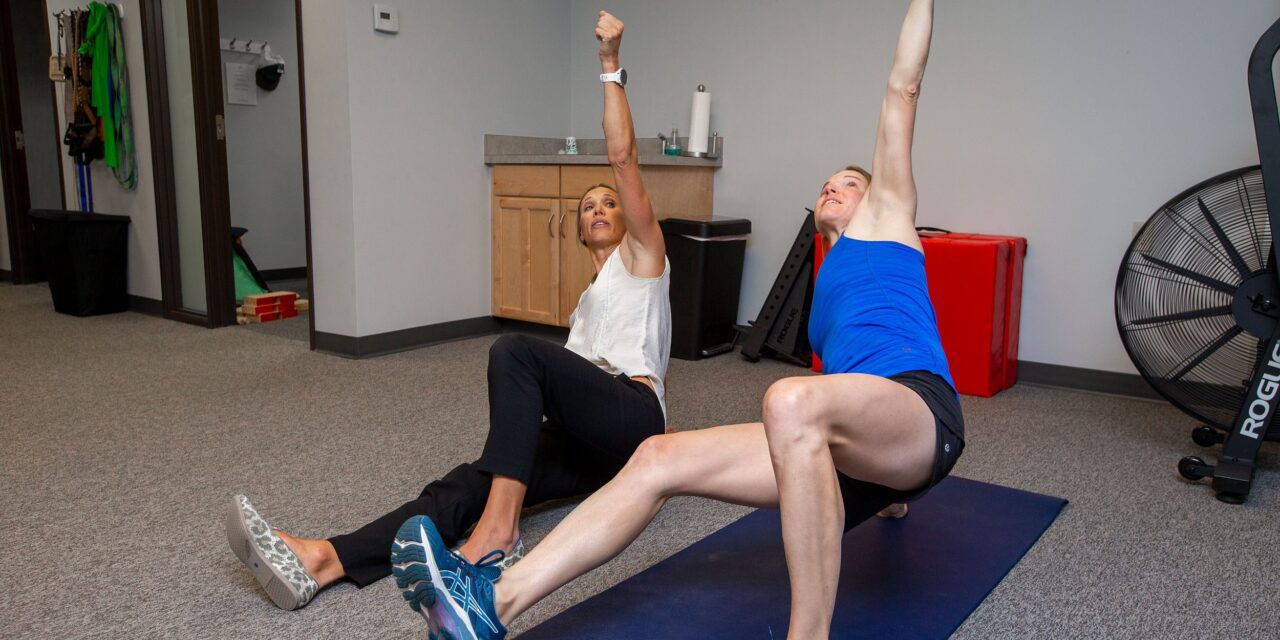
How to Best Improve Thoracic Spine Mobility for Rock Climbers

Joint stiffness in the thoracic spine can be a significant contributor to neck, upper back, and shoulder pain in rock climbers. The high muscle demands and repetitive pulling down movement of climbing often leads to excessive thoracic kyphosis, internally rotated shoulders, and a forward head position. If left untreated this can lead to long term...

Our previous blog post detailed the differences in biomechanics between foot strike patterns in runners.  There are clear bio mechanical differences between utilizing a forefoot and rear foot strike pattern and these are important for gait retraining and injury risk.  Obviously, the foot is the first part of the body to strike the ground in...

Running is one of the most common forms of exercise due to its’ wide appeal, minimal equipment needs, and aerobic benefits.  Around Boulder it is not uncommon to see runners of all ability levels and ages enjoying many of the great outdoor running paths and trails.  Prior research has shown older runners run at slower...

In prior posts we described risk factors for an initial episode of achilles tendinopathy including muscle imbalances, calf weakness (concentric and eccentric), and loss of mobility within the foot and ankle.  Once the tendinopathy is established, patients demonstrate significant deficits in range of motion, strength, balance, endurance, and jumping ability (Silbernagel et al. 2006).  These...

Mend Physical Therapy has previously written on the prevention and treatment of running injuries  in multiple prior blog posts.    Running is very common form of exercise in the United States and here Boulder County. The vast majority of runners will sustain an injury in the upcoming year which will prevent them from training or competing...

We have previously written about the functional movement screen (FMS) and its’ ability to predict injury although more recent research has called its’ predictive ability into question.  The highest quality research on the FMS has occurred in NFL athletes or those training for the NFL combine.  The research demonstrates the predictive value of these tests may...