By: Rani Helvey-Byers, PT, DPT, OCS
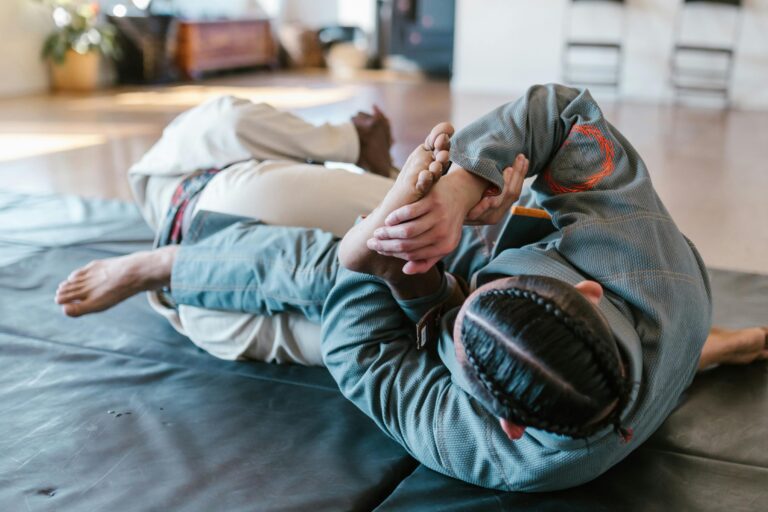
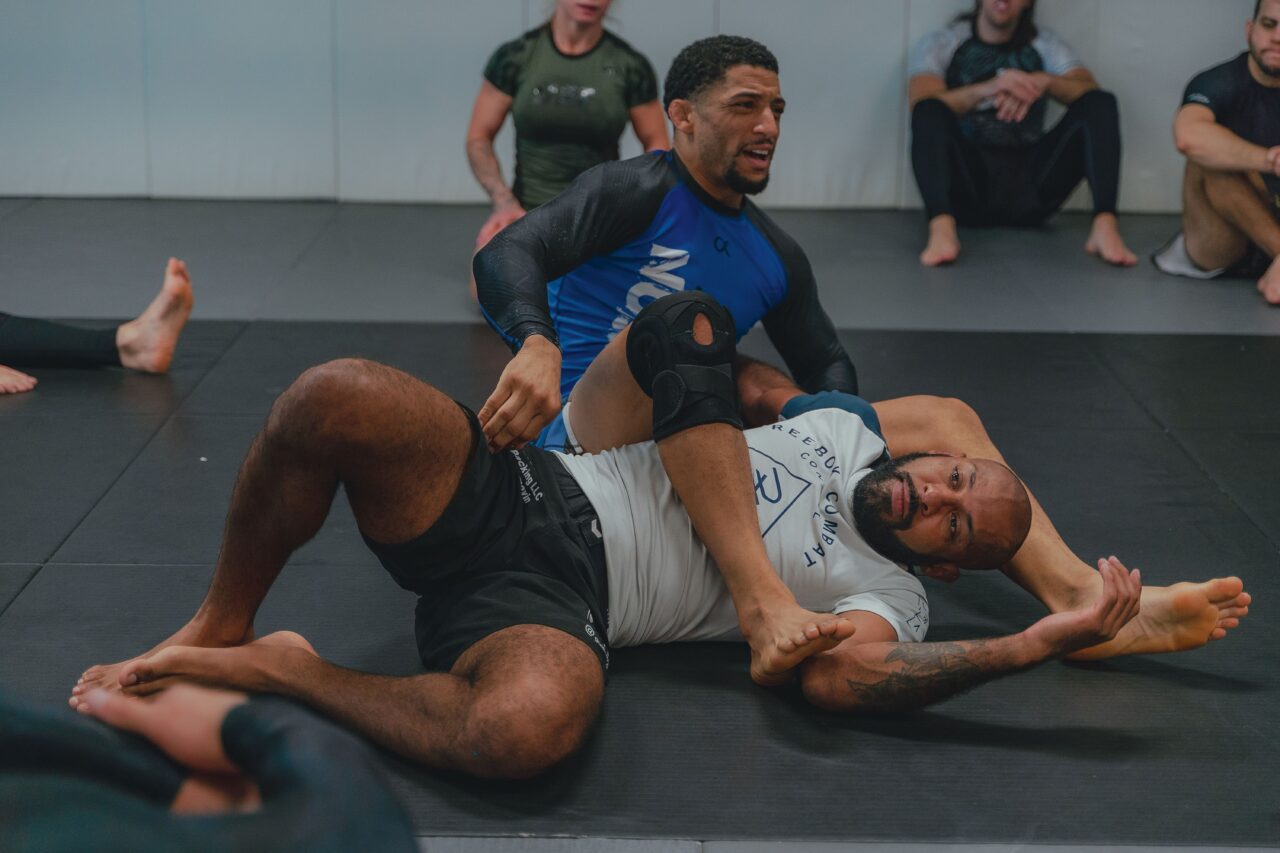
Ribs are a commonly injured site among Brazilian Jiu-Jitsu (BJJ) athletes. Movements such as heavy crossfaces, body triangles, knee-on-belly, and explosive scrambles can wreak quite the havoc on your ribs. Grappling style also affects the risk of rib injury. One study found that athletes who primarily played a top passing game sustained injuries to the thorax nearly four times as often as guard players.1 While many rib injuries are relatively minor, others can require a longer recovery or medical evaluation. Knowing the difference can help you make better decisions about training and avoid turning a minor injury into a serious problem.
How Do Rib Injuries Happen?
Unlike most BJJ injuries that occur from submissions, rib injuries are typically caused by pressure or twisting. Common mechanisms include:
- Heavy pressure from knee-on-belly, body triangles, closed guard, or side control
- Twisting while pinned during scrambles or escapes
- Explosive bridging or shrimping under heavy resistance
- Landing on your side during a takedown or scramble
How Can You Tell What Kind of Rib Injury You Have?
It’s difficult to know exactly what you’ve injured without an examination, and as you’ll see below, there is frequently overlap between symptoms and aggravating activities. Below is a general guideline to help you determine what type of injury you may have:
Rib Contusion (Bruised Rib)
A rib contusion is the most common rib injury in BJJ and usually results from direct pressure, such as knee-on-belly passing. Note that rib contusions can be very hard to differentiate from nondisplaced rib fractures (see below). Pain with a rib contusion will often quickly improve over 7-10 days whereas a fracture will not. It is highly recommended that you obtain a CT scan of your ribs if you suspect a fracture.
Common symptoms:
- Tenderness with pressure along the rib
- Pain with deep breathing or coughing
- Pain with activities that put pressure through that rib, such as when lying on the affected side
Typical treatment:
Treatment focuses on allowing the bruised bone and surrounding tissues to heal. Ice during the first 48 hours can help reduce pain, followed by gentle movement and deep breathing exercises to prevent stiffness. If symptoms do not quickly resolve, consider further medical management.
Rib Fracture
Not every rib fracture follows a major accident. A hard knee-on-belly, takedown, or compression injury can cause a fracture. Further, fractures can either be displaced (often visible to the naked eye) or nondisplaced (no visible break). Nondisplaced fractures are hard to distinguish from contusions. Follow up with your medical team if you have any uncertainty.
Common symptoms:
- Severe, sharp, and well-localized pain over the rib
- Significant pain with every breath and sometimes difficulty taking a deep breath
- Pain that makes it difficult to cough or laugh
- Swelling, bruising, or visible deformity of the rib
A fracture can’t be confirmed based on symptoms alone. X-rays, though often used, can miss fractures. A CT scan is considered the gold standard for diagnosing rib fractures.
Typical treatment:
Most uncomplicated rib fractures heal without surgery. Treatment focuses on pain management, maintaining normal breathing, and gradually returning to activity as the bone heals. Athletes should avoid contact training until breathing, trunk movement, and sport-specific movements can be performed comfortably and the bone has radiographic evidence of being fully healed.
Intercostal Muscle Strain
Intercostal muscles run between your ribs and help stabilize the rib cage during breathing and trunk movement. These injuries commonly occur during explosive bridging, hard scrambles, or twisting while pinned.
Common symptoms:
- Pain between the ribs rather than directly over the bone
- Pain with twisting or reaching overhead
- Pain with forceful breathing, coughing, or sneezing
- Pain when contracting your abdominal muscles during movements like bridging
Typical treatment:
Relative rest is important early, but complete immobilization is rarely helpful. Gentle trunk mobility, breathing exercises, and progressive loading help the muscle heal while preventing excessive stiffness.
Costochondral Injury
The ribs attach to cartilage before connecting to the breastbone. This cartilage can become sprained or partially separated after compression or twisting injuries.
Common symptoms:
- Sharp pain near the front of the chest, along the lower rib margin, or next to the breastbone
- Pain with pushing, framing, or posting on your arm
- Pain with deep breaths, coughing, or laughing
- A popping sensation at the time of injury
Typical treatment:
Due to limited blood supply to the cartilage, costochondral injuries often require more patience than contusions or muscle strains. Early treatment focuses on controlling pain while avoiding movements that repeatedly stress the injured cartilage. A gradual return to upper body loading and contact training is important, as returning too soon leads to prolonged recovery.
Rib Subluxation or Dislocation
If your rib feels like it’s “out of place” or is moving more than usual, you may have sustained injury to the ligaments that keep your ribs affixed to your spine. This can lead to subluxing, where the rib moves more than usual. In more severe cases, you may fully dislocate a rib, which will result in a visible deformity. This requires immediate medical management to relocate the rib and ensure no damage to the lungs has taken place. Never try to push a rib that has dislocated back into place as it can cause further damage.
Common symptoms:
- Sharp, localized pain along the ribs near the spine
- Clicking, popping, or a slipping sensation, particularly along the lower ribs
- Pain with twisting, reaching, coughing, or deep breathing
- Visible deformity in cases of dislocation
Typical treatment:
Initial management typically involves allowing the sprained ligaments to recover fully by avoiding activities that stress the healing tissues. This means some period of immobilization followed by gradual range of motion and strengthening exercises for the surrounding muscles.
When Should You See a Physical Therapist?
You should schedule an evaluation if:
- Pain is interfering with ability to take a deep breath, cough, laugh, or do regular daily activities
- Symptoms aren’t improving after 7–10 days.
- You are unable to return to rolling without pain
- You are unsure how to safely rehabilitate your injury
A physical therapist will determine which structures are injured, guide your rehabilitation, and identify when imaging or referral to another provider is appropriate. If breathing, coughing, or rolling is still painful after 7 to 10 days, that’s worth a physical therapy evaluation in Boulder. Book at an appointment with Rani today.
When Should You Go to the Emergency Room?
Seek immediate medical attention if you experience:
- Significant shortness of breath or difficulty breathing
- Coughing up blood
- A visible chest wall deformity
- Severe pain after a high-energy injury
- Severe rib pain associated with dizziness, fainting, or abdominal pain
These symptoms may indicate injury to the lungs or other internal organs and should not be ignored.
Frequently Asked Questions
Pain from a rib contusion will often improve quickly over 7 to 10 days. A fracture will not follow that pattern, so pain that is not improving by then is a reason to get evaluated.
You usually can’t tell without an examination, because contusions and nondisplaced fractures overlap heavily. A fracture can’t be confirmed from symptoms alone, and X-rays can miss one. A CT scan is considered the gold standard for diagnosing rib fractures.
It depends on the injury. After a fracture, avoid contact training until breathing, trunk movement, and sport-specific movements are comfortable and the bone is fully healed on imaging. With a costochondral injury, returning too soon leads to prolonged recovery, so load and contact training should return gradually.
Go right away for significant shortness of breath, coughing up blood, a visible chest wall deformity, severe pain after a high-energy injury, or severe rib pain with dizziness, fainting, or abdominal pain. These symptoms may indicate injury to the lungs or other internal organs.
References
Del Vecchio FB, Gondim DF, Arruda ACP. Functional Movement Screening Performance of Brazilian Jiu-Jitsu Athletes From Brazil: Differences Considering Practice Time and Combat Style. J Strength Cond Res. 2016;30(8):2341-2347. doi:10.1519/JSC.0000000000001324