Clinical Pearl from Lucas Glomb, PT, DPT, OCS
Your ACL experiences more stress when you decelerate compared to when you are accelerating. That’s why I spend just as much time coaching athletes how to absorb force, land, and decelerate as I do helping them produce power. In my experience, mastering the landing is what primarily builds confidence and best prepares athletes for the demands of sport.
Why Landing Matters More Than Jumping After ACL Reconstruction
One of the biggest missed pieces in ACL rehabilitation is higher-level plyometric training. These plyometric abilities are one of the most important skills an athlete can develop after ACL reconstruction, particularly learning how to absorb force rather than produce force.
There’s an important difference between acceleration and deceleration. Acceleration is producing movement, while deceleration is absorbing and controlling movement. Most non-contact ACL injuries occur during deceleration: landing, cutting, or rapidly changing direction. That’s why modern ACL rehabilitation needs to place just as much emphasis on deceleration as it does on power production, not just on when an athlete is cleared to start jumping.
What Are Plyometrics?
Plyometrics are exercises that train your muscles and tendons to produce force quickly. Once sufficient strength is built, these exercises are introduced and play an important role in preparing athletes to return to sports involving running, jumping, and cutting.
Why Deceleration Is So Important
Think about the demands of sports like basketball, soccer, skiing, or football. Athletes are constantly slowing down before changing direction, landing from a rebound, or planting to cut around an opponent.
These moments create large forces through the knee. If the body can’t effectively absorb those forces, the risk of injury increases.
Learning to decelerate efficiently helps athletes:
- Prevent compensation above and below the knee
- Promote normal movement patterns
- Reduce unnecessary stress on the knee
- Build confidence during higher-speed movements
- Prepare for the unpredictable demands of sport
Just because an athlete is strong doesn’t mean they’re ready to safely control those forces.
More Than Just Strength
Strength is one of the foundations of ACL rehabilitation, but strength alone doesn’t prepare someone for sport.
Returning to activities like skiing, basketball, football, or soccer after ACL surgery requires coordination, balance, timing, and the ability to react to changing environments. Plyometric and deceleration training help bridge the gap between weight room strength and real-world athletic performance.
Our Approach
At Mend Physical Therapy, plyometric training isn’t simply checking a box before return to sport.
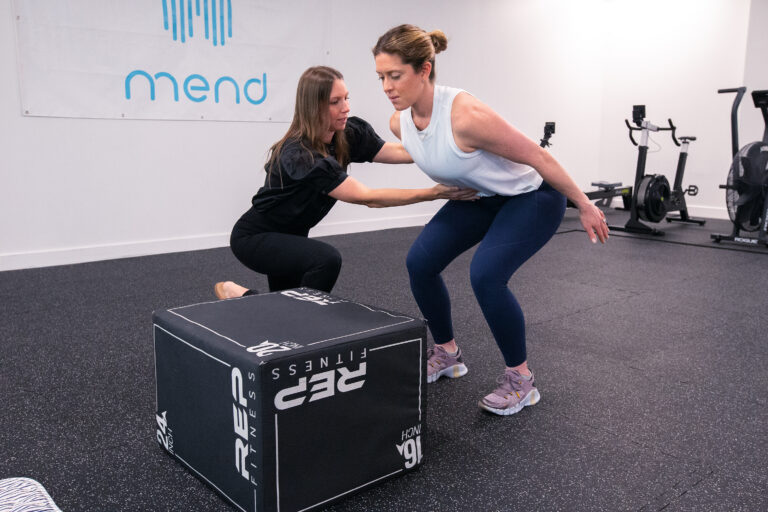
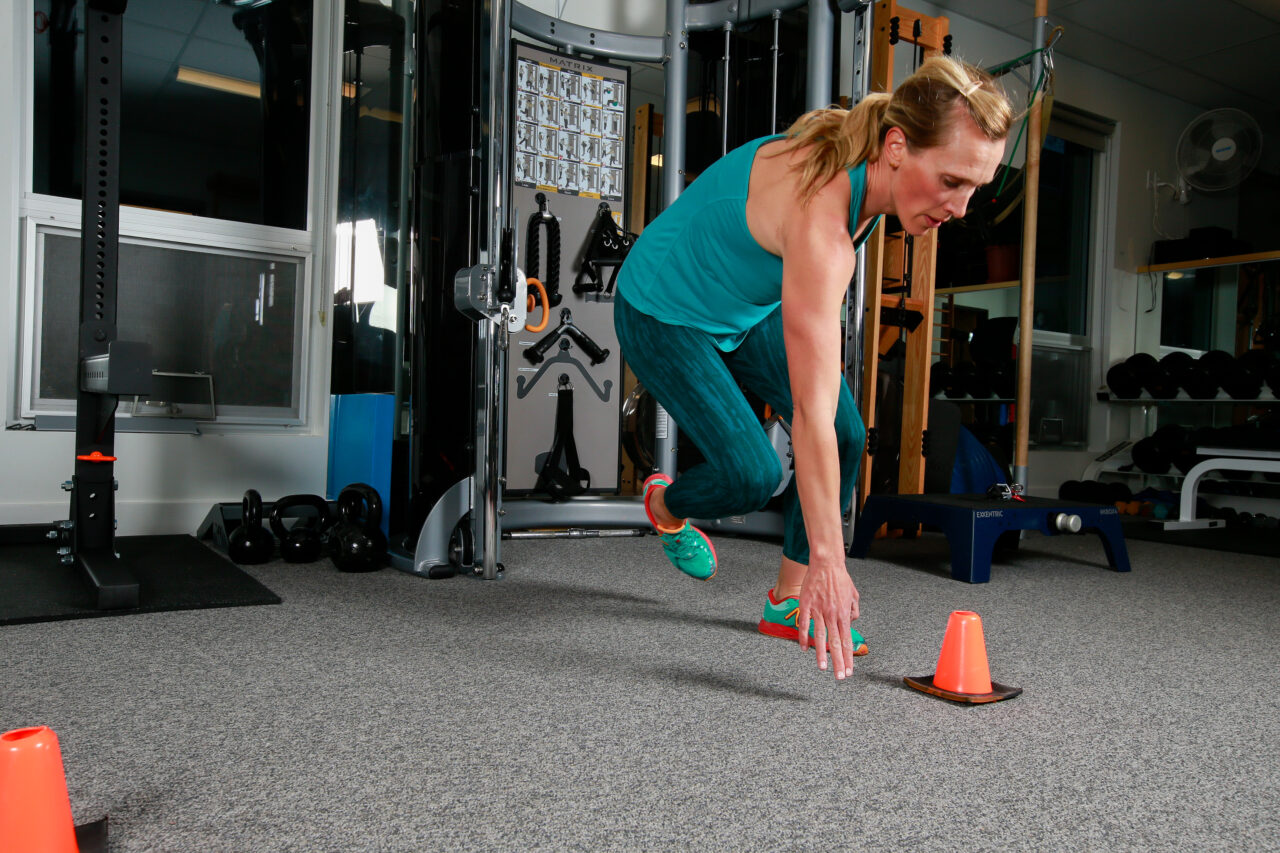
We use a progressive approach, built on the same criterion-based benchmarks we use throughout ACL rehab, that develops landing mechanics, force absorption, deceleration, and change-of-direction control before advancing to more complex sport-specific movements. For the full picture of what that return-to-sport progression looks like from start to finish, see our guide to planning your return to sport after ACL surgery.
Helping athletes move confidently during plyometric movements is what ultimately prepares them to return to sport safely. If you’re working through ACL rehab and want a plan built around your own testing rather than just the calendar, book an evaluation with Lucas Glomb.