
Much physical therapy still bases ACL rehabilitation on timelines and protocols. Week-by-week progressions, boxes to check, phases that unlock just because enough days have passed. It’s organized. It’s easy to follow. But it misses the point.
Time tells you how long it’s been since surgery. It doesn’t tell you how the knee is functioning.
The reality is that recovery is highly variable. Two people at the same point post-op can have completely different levels of strength, control, confidence, and load tolerance. One may be ready for higher-level work, while the other is still compensating through basic movements. If both are pushed forward simply because the protocol says it’s time, one is being underdosed and the other is exposed to unnecessary risk.
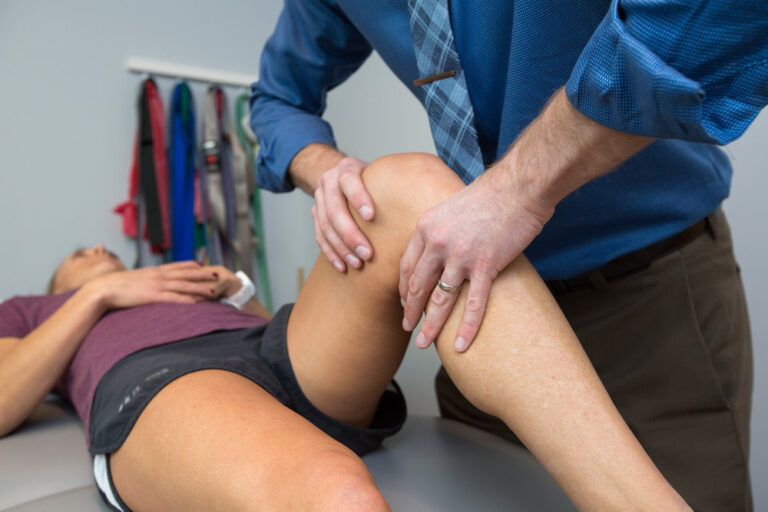
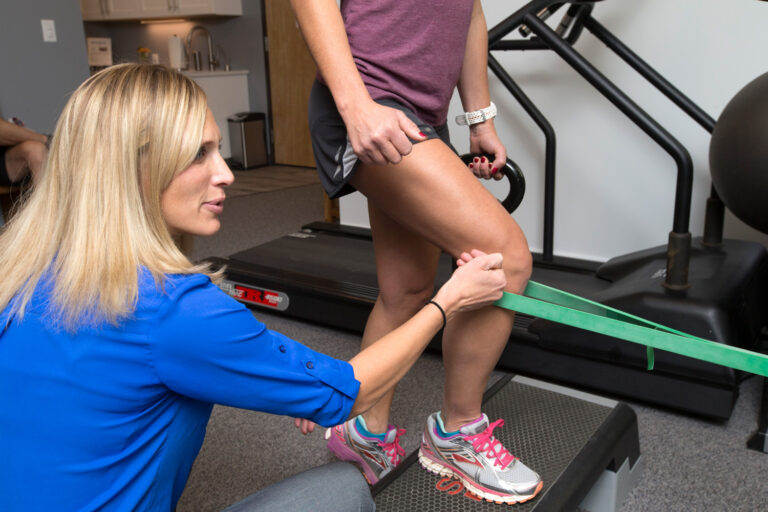
Criterion-based rehab flips that model. Instead of asking, “What week are you on?” it asks, “What can you actually do?” Progression is based on objective markers of function, including strength, movement quality, symmetry and the ability to tolerate load. Each phase is earned, not given based on weeks post-op.
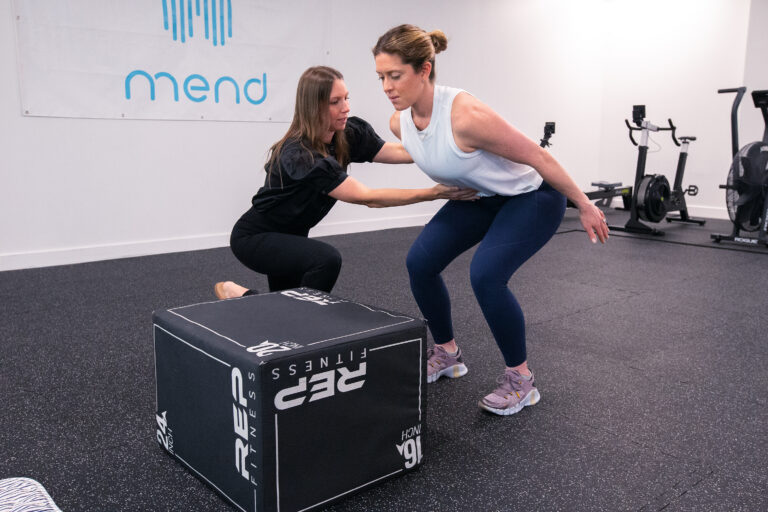
Progression is based on demonstrating readiness at each phase rather than hitting a date. Early on, that means adequate quad control—such as performing a straight leg raise without lag—before advancing brace use and gait. As loading increases, strength becomes the key driver, with ~80–90% quadriceps symmetry expected before introducing plyometrics. Return to running is based on passing an impact or plyometric tolerance progression, not a set week. Higher-level progressions then rely on objective testing, including a battery of hop tests, before advancing into cutting, change of direction, and ultimately reactionary, sport-specific drills.
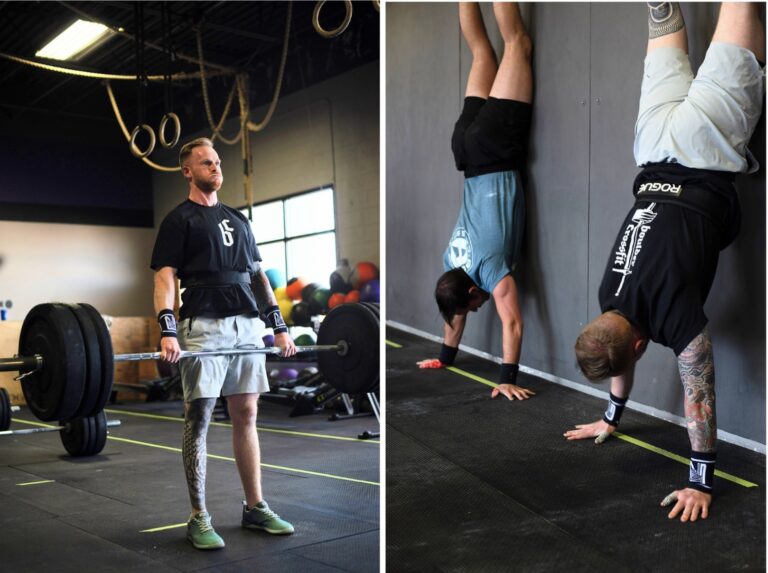
This matters because ACL rehab isn’t just about healing tissue, it’s about restoring a system. Strength must return, and motor control must normalize, and the athlete has to relearn how to produce and absorb force, often under speed and unpredictability. None of that happens on a fixed timeline.
It becomes even more important when you consider how different ACL cases can be. Graft type influences symptoms and strength deficits. Meniscus involvement or other ligament injury can change loading restrictions. Some athletes come into surgery with significant quad atrophy or motion loss, while others are far better prepared. Expecting all of them to follow the same timeline doesn’t reflect reality.
Protocols have value in that they provide structure and protect early healing. But when they become the primary driver of decision-making, they limit the ability to individualize care.
Time can guide the process, but can’t dictate it.