ACL injuries continue to rise prompting stakeholders to look more closely at injury prevention. Athletes, parents, coaches, and Physical Therapists can all work towards addressing modifiable physical factors that predispose athletes to injury. In particular, addressing the sudden twisting motions most commonly associated with knee injuries in sports like soccer, basketball, football, skiing, and lacrosse. This dynamic motion, knee valgus, places significant strain on the knee, especially when an athlete lacks adequate control, strength, or agility.
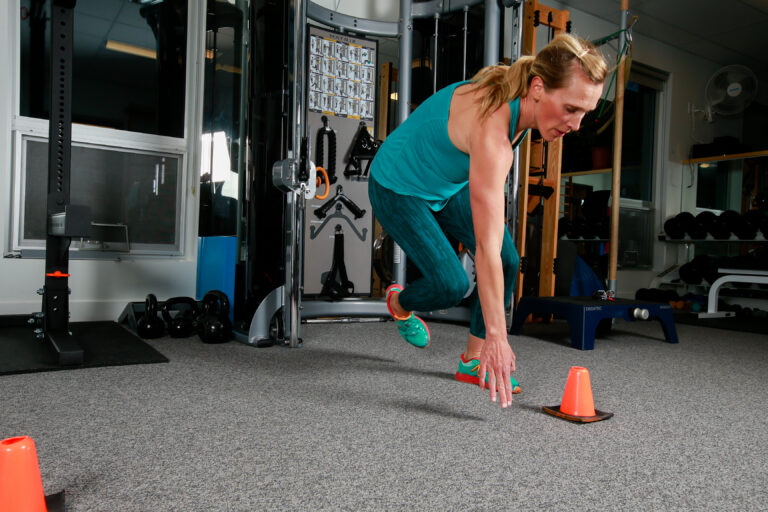
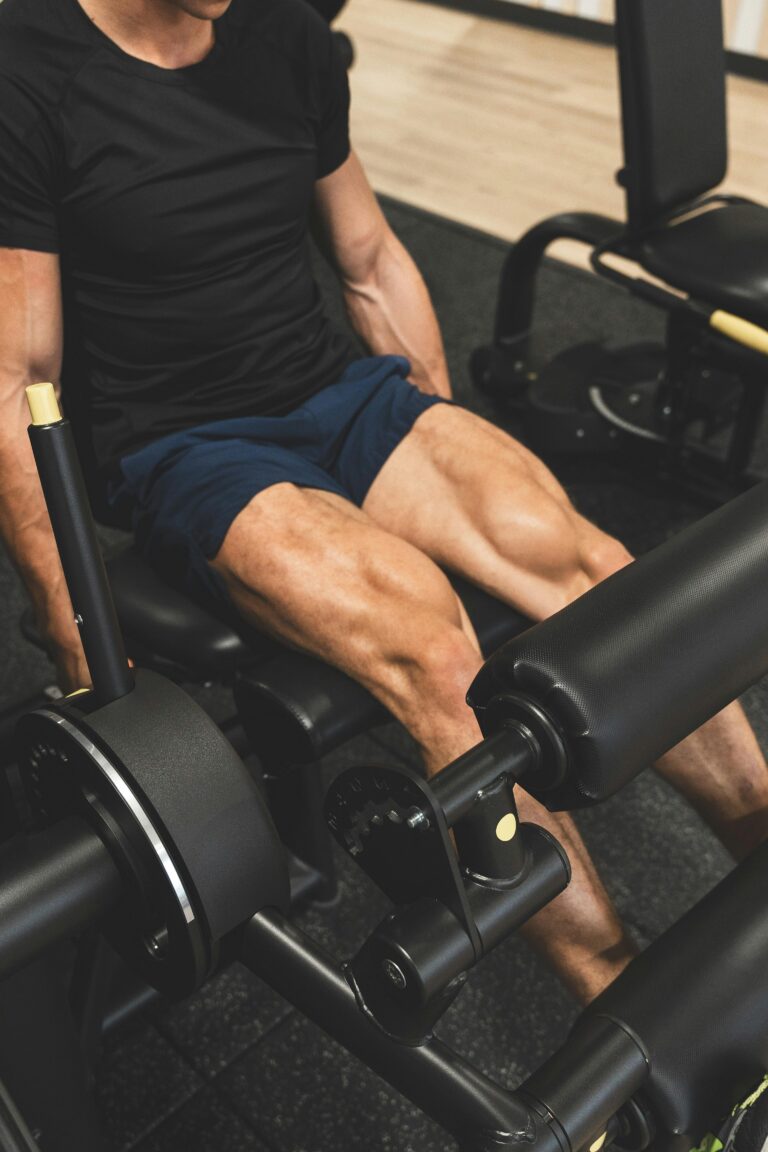
At Mend, our Physical Therapists work with athletes to improve agility, balance, core, and lower quarter strength, which research suggests can cut the risk of ACL injury by up to about half compared to untrained peers. Programs that target these factors focus on strengthening the muscles around the knee and hips and training proper movement mechanics for cutting and landing tasks. Research shows addressing weaknesses in these areas has been shown to decrease injury risk.
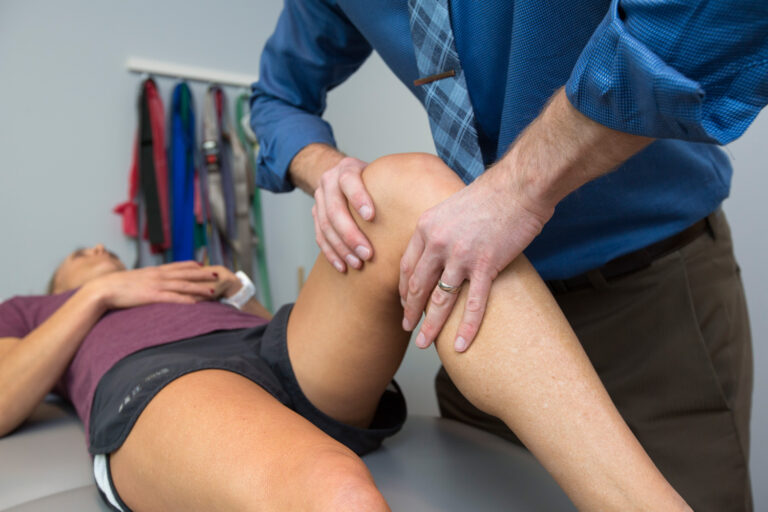
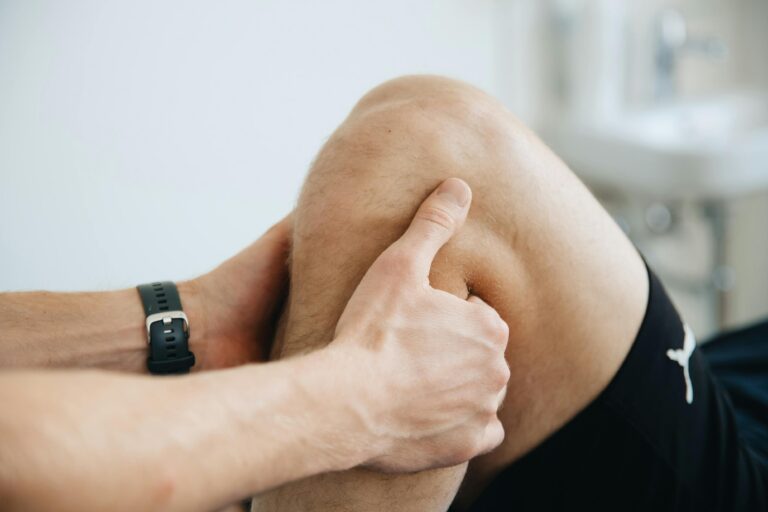
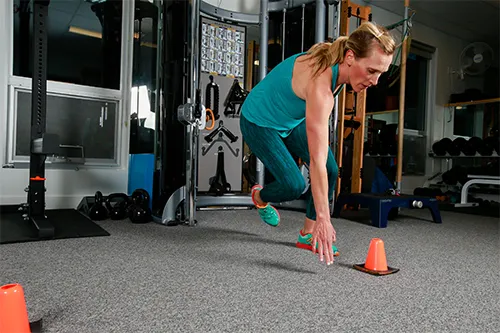
In addition to strength and balance deficits, neuromuscular control and movement quality play a crucial role in ACL injury risk. Athletes who exhibit poor coordination or faulty mechanics—such as allowing the knee to collapse inward during landing or cutting—place excessive forces on the ACL. Identifying such impairments through screening and examination then correcting these impairments with targeted exercises is a cornerstone of effective prevention. These programs often integrate drills that mimic sport-specific movements while reinforcing safe technique, which can substantially reduce peak knee loads that contribute to ligament tears.
Effective ACL injury prevention programs must emphasize optimizing modifiable risk factors such as strength, balance, and neuromuscular control through consistent, evidence based training.
Click Here to schedule your next appointment with the experts at MEND