ACL reconstruction is a common surgery for athletes and active individuals, but one of the biggest challenges during ACL rehab is restoring normal quadriceps strength and activation. Even when the ligament heals well, many patients experience persistent quad weakness, difficulty achieving full knee extension, and reduced confidence returning to sport. Two tools that can help accelerate recovery when used alongside progressive strengthening are dry needlingand neuromuscular electrical stimulation (NMES).
The type of graft used during ACL surgery can influence early rehabilitation. The most common grafts include patellar tendon autografts, hamstring tendon autografts, and quadriceps tendon autografts. Patellar tendon grafts often lead to anterior knee pain and early quadriceps inhibition because the graft is harvested from the extensor mechanism. Hamstring grafts tend to produce less front-of-knee pain but may result in temporary hamstring weakness. Quadriceps tendon grafts are increasingly common but can lead to significant early quadriceps weakness because tissue is taken directly from the quad tendon.
Regardless of graft type, many patients experience arthrogenic muscle inhibition (AMI) after surgery. This neurological response occurs when swelling and joint trauma cause the nervous system to “turn down” the quadriceps, making it difficult to fully contract the muscle. AMI is a major reason patients struggle with straight leg raises, terminal knee extension, and early quad strength during ACL rehabilitation.
One intervention that may help address this is dry needling. In ACL rehab, dry needling is often used to target quadriceps muscles such as the vastus medialis, vastus lateralis, and rectus femoris. Research has shown that adding dry needling to standard rehabilitation may improve pain, knee range of motion, and functional outcomesfollowing ACL reconstruction. By reducing muscle tone and trigger points, dry needling can help patients activate the quadriceps more effectively during exercise.
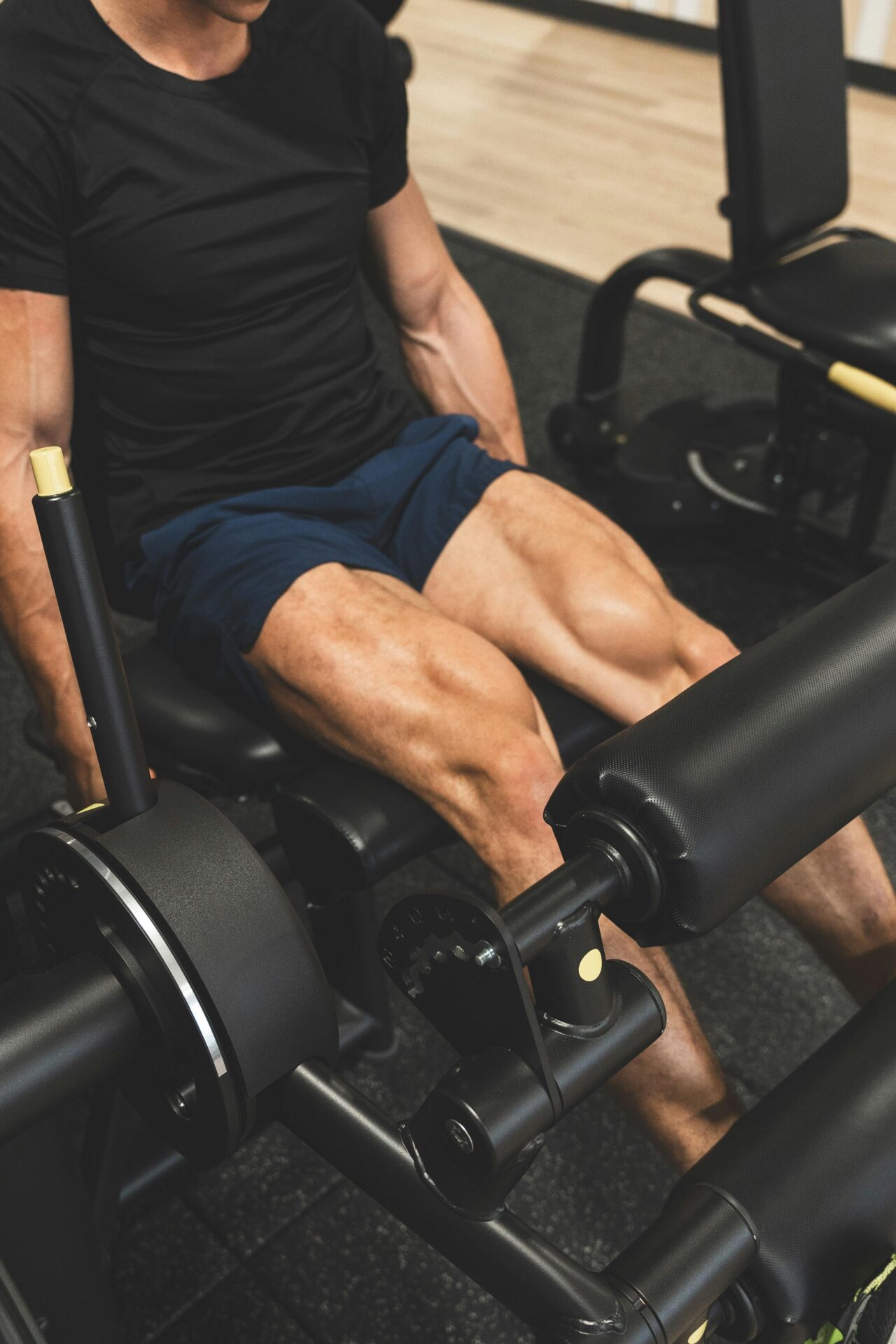
Another evidence-supported tool in early post-operative ACL rehab is neuromuscular electrical stimulation (NMES). NMES uses electrical impulses through surface electrodes to produce a strong quadriceps contraction. Because the stimulation bypasses some of the neurological inhibition caused by AMI, it helps patients generate stronger contractions than they can voluntarily early after surgery. Research has demonstrated that NMES can reduce quadriceps muscle fiber atrophy and help preserve muscle function during early recovery.
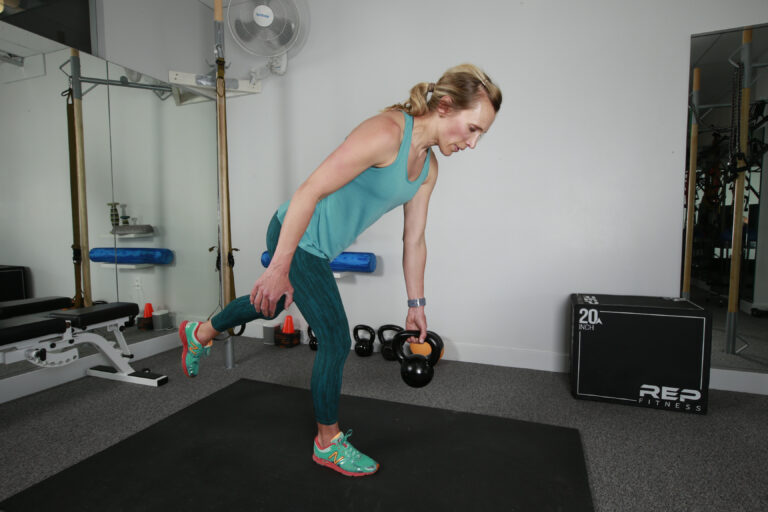
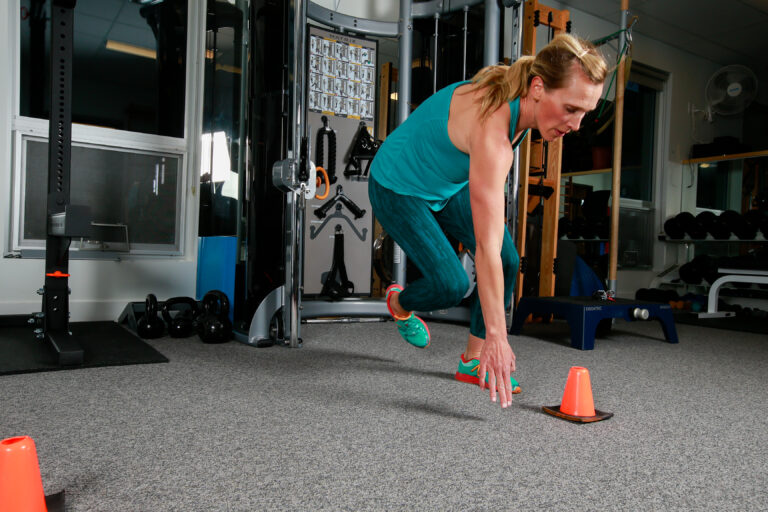
In clinical practice, these tools are often combined with progressive strengthening exercises such as quad sets, step-downs, split squats, and squats as the knee tolerates increasing load. While dry needling and NMES do not replace strengthening, they can help remove barriers to activation so patients can rebuild strength more effectively.
Click Here to schedule your next appointment with the experts at MEND
About the Author
Dr. Lucas Glomb is a board-certified orthopedic physical therapist specializing in ACL rehab and sports injury recovery in Colorado. As a former collegiate athlete, he works extensively with active adults and athletes returning to strength training, skiing, and sport after injury. His approach combines evidence-based ACL rehabilitation, dry needling, manual therapy, and progressive strength training to help patients safely return to high-level activity.