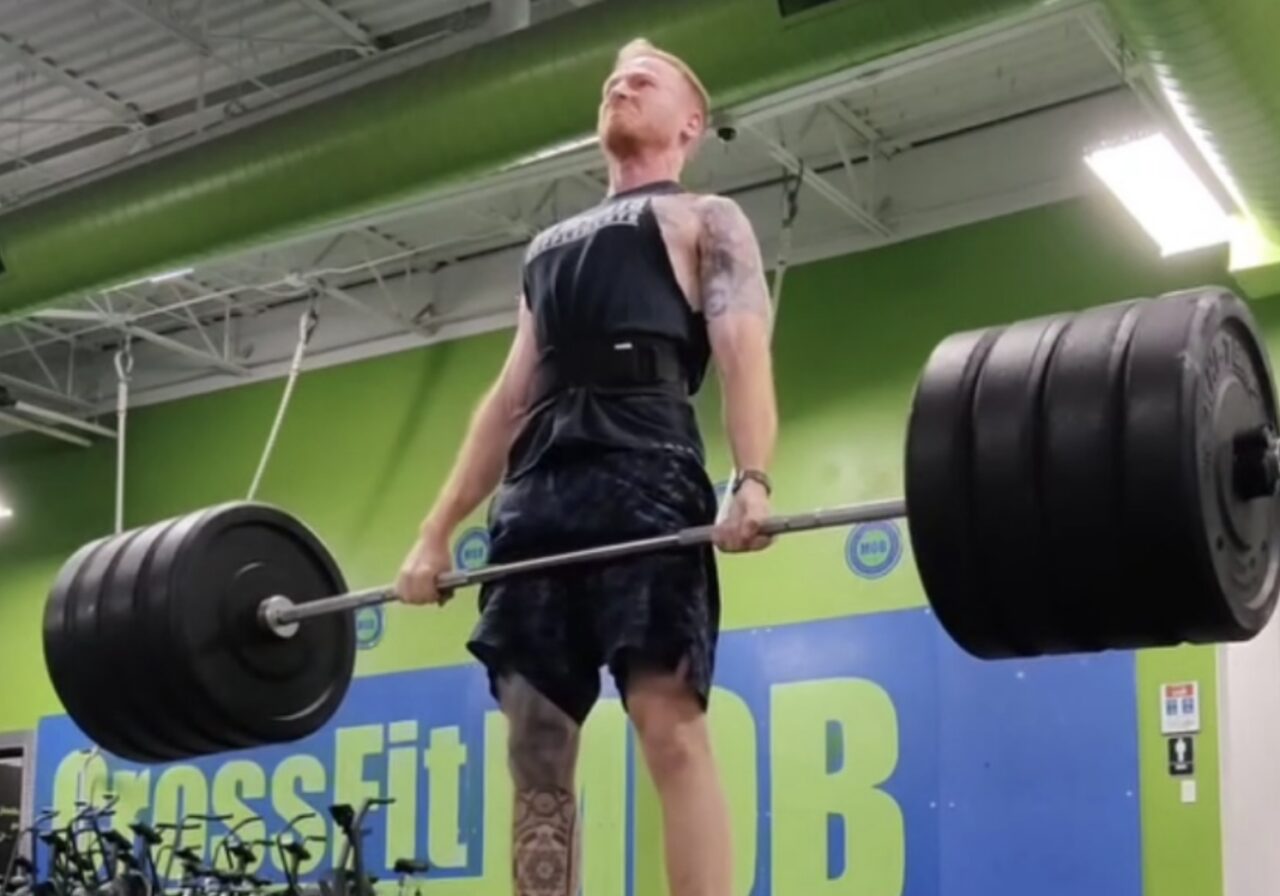
There is a clear psychological component with both knee sleeves and belts. Athletes consistently report improved confidence and a greater sense of stability when using them. That matters. In both Physical Therapy and strength training, perception influences output. If a sleeve or belt allows you to train with less hesitation, it can indirectly improve performance—as long as it’s not replacing proper progression.
At Mend Colorado Physical Therapy, the approach is simple and individualized. We use knee sleeves and weightlifting belts when they help an athlete train better without becoming dependent on them. For someone working through knee pain, sleeves might be a temporary tool to maintain squat volume. For a powerlifter peaking for a meet, a belt is an obvious choice. But for someone early in training or rehab, the focus stays on building strength, control, and tolerance first. If you train with a barbell, you’ve probably asked it at some point: should I be using knee sleeves or a weightlifting belt? In a place like Mend Colorado Physical Therapy, this comes up daily with lifters trying to balance performance, pain, and long-term joint health. The short answer is yes—both can help—but only if you understand what they actually do.
From a physical therapy perspective, knee sleeves are not true knee support. They don’t stabilize ligaments or significantly change joint mechanics. What they do—and what research supports—is improve proprioception, warmth, and perceived stability. Studies in journals like Physical Therapy in Sport show that compression around the knee can enhance joint awareness and reduce pain perception, especially in people dealing with irritation or previous injury. That’s why many lifters feel more confident and less stiff when wearing them, even though strength output and squat mechanics don’t meaningfully change.
This is where knee sleeves become useful in rehab and performance. If knee pain is limiting your squat, sleeves can help you tolerate load and keep training. But they’re not fixing the root issue. They don’t build quad strength, improve load management, or correct movement strategy. In other words, knee sleeves help symptoms, not capacity. If you need them for every session just to get through lifts, it’s usually a sign something deeper needs to be addressed.
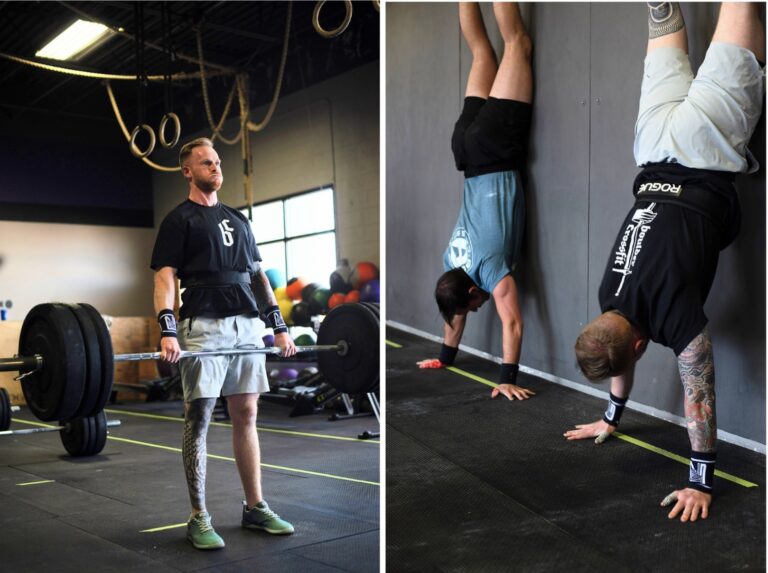
Weightlifting belts are a different conversation. Their primary role is increasing intra-abdominal pressure (IAP), which improves trunk stiffness and can enhance force transfer during heavy lifts like squats and deadlifts. This is why belts are commonly recommended for lifts above ~80–85% of your one-rep max. Research shows belts can improve lifting efficiency and sometimes bar speed, but importantly, they do not reliably reduce injury risk. Large-scale studies, including occupational research, have failed to show that belts prevent low back injuries.
Clinically, that makes sense. A belt doesn’t replace core strength or proper bracing—it amplifies it. If you don’t know how to brace, a belt won’t magically fix that. But if you already have a solid strategy, it can help you lift heavier with more consistency. That’s why belts are best used as a performance tool for experienced lifters, not a default for beginners.
porary tool to maintain squat volume. For a powerlifter peaking for a meet, a belt is an obvious choice. But for someone early in training or rehab, the focus stays on building strength, control, and tolerance first.
Bottom line for lifters searching for answers:
- Knee sleeves for lifting: improve comfort, warmth, and confidence, but don’t increase strength or protect the knee structurally
- Weightlifting belts for squats and deadlifts: improve bracing and performance at high loads, but don’t prevent back injuries
- Best use case: as tools to enhance training, not replace good programming or rehab
If you’re wondering whether you should use knee sleeves or a lifting belt, the better question is this: are they helping you build long-term strength, or just helping you get through today’s workout?
Click Here to schedule your next appointment with the experts at MEND