Blog

How Physical Therapy Treats Plantar Fasciitis and Heel Pain

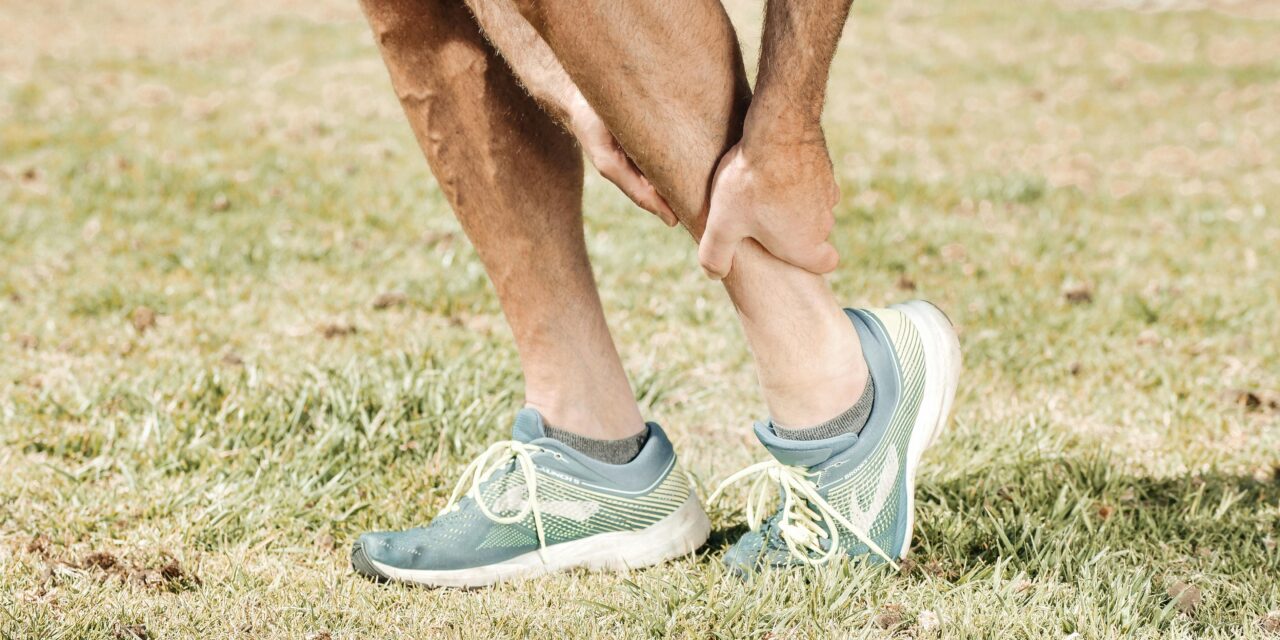
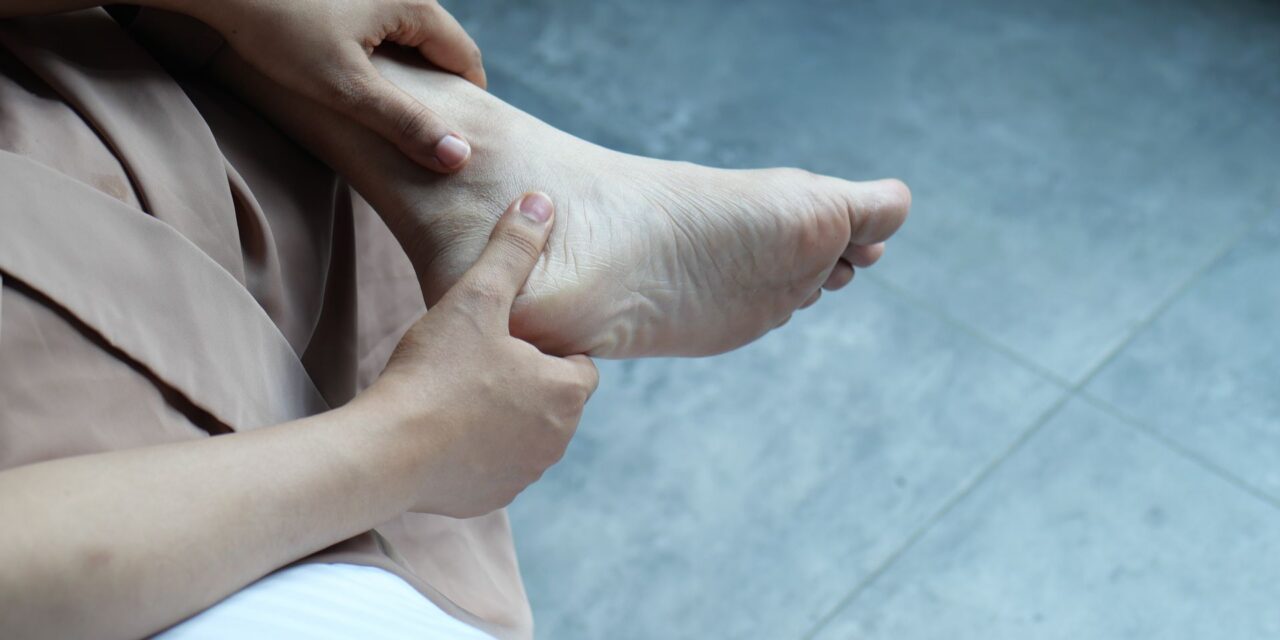
Plantar fasciitis is the most common cause of heel pain. Patients often describe sharp pain under the heel with their first steps in the morning, sometimes spreading into the arch. The pain is often worse when you stand or walk again after sitting. An estimated 2 million Americans develop plantar fasciitis each year (Martin et...

What Are the Best Treatments for Achilles Tendon Pain?

Achilles tendon pain, previously called Achilles tendinitis and now called Achilles tendinopathy, affects sedentary, active, and athletic people. The 2024 clinical practice guideline from the Academy of Orthopaedic Physical Therapy puts the overall prevalence of midportion Achilles tendinopathy at 4% to 7% and reports a lifetime cumulative incidence of Achilles tendon injury of 40% to...

Why Your Hands and Wrists Hurt When You Play Music

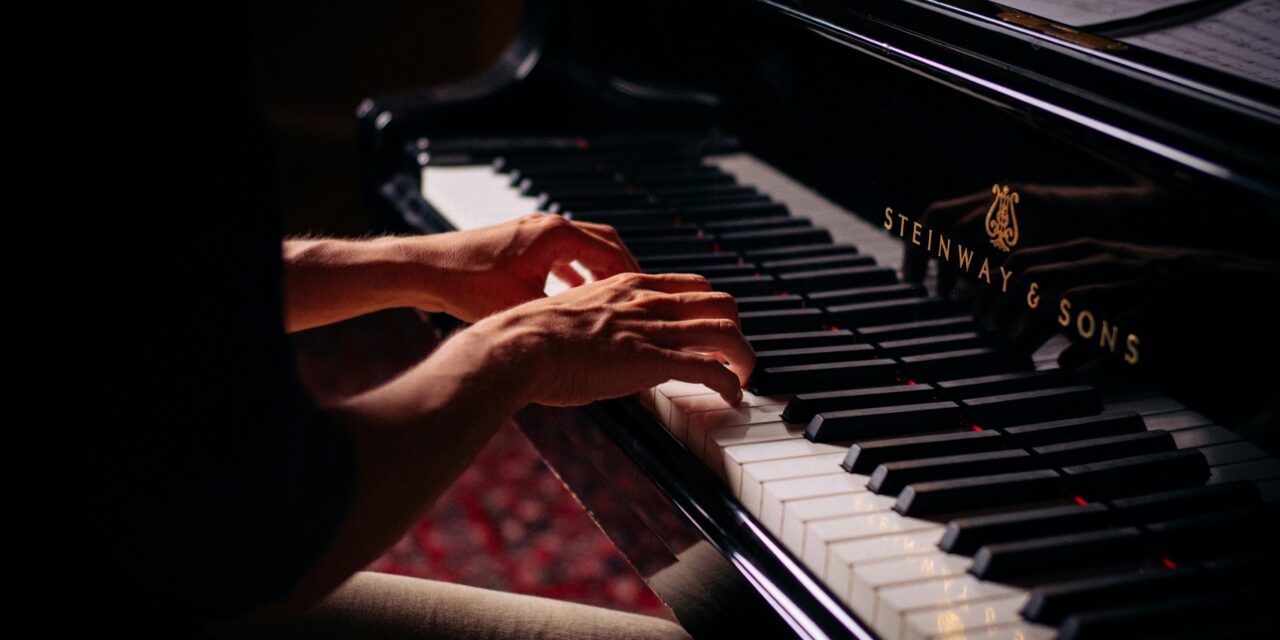
By Mary Pezzella, PT, DPT If your hands ache after a long practice session, the cause might be higher up than you’d expect. The muscles that move your fingers actually live in your forearms. That’s why a sore wrist so often comes with an achy forearm, and why a “hand problem” isn’t always just in...

Told Your SI Joint Is Out of Alignment? Read This

If a clinician has told you your sacroiliac (SI) joint is “out of alignment,” “rotated,” or “unstable,” that language matters more than you might think, and not in a good way. In Boulder County, we’re seeing a resurgence of clinicians using outdated tests to explain low back, hip, and even distant pain by way of...

Is Spinal Manipulation Effective for Sciatica?

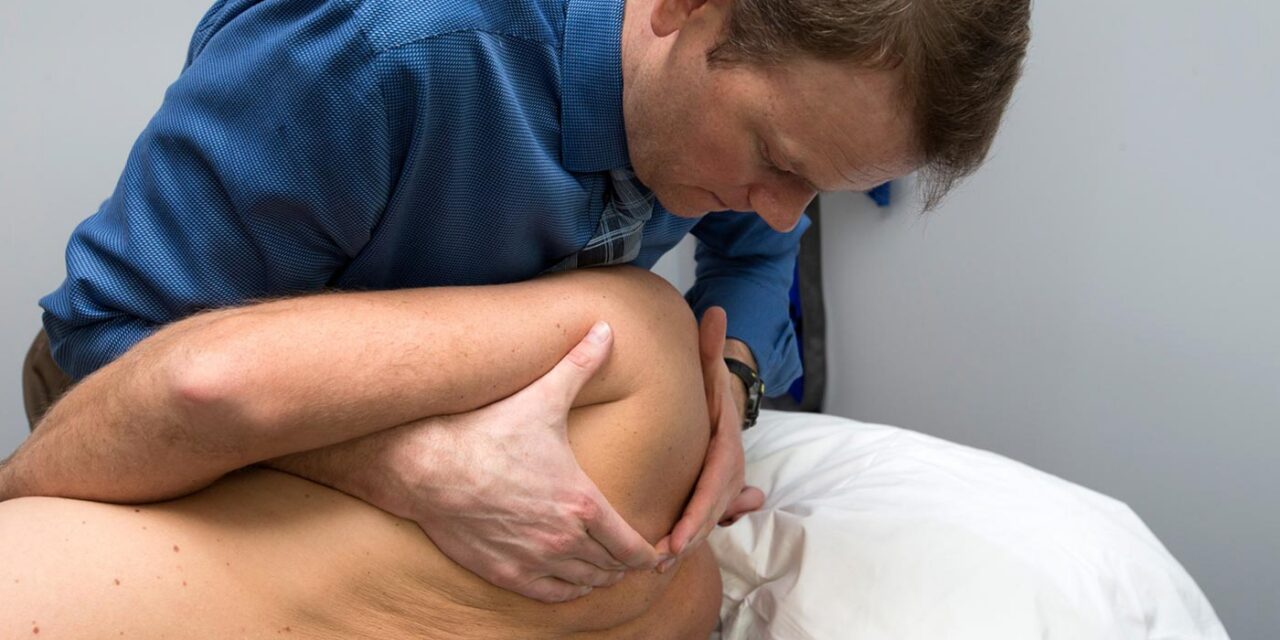
Sciatica is an umbrella term for leg symptoms, pain, numbness, or tingling, caused by irritation or compression of a nerve root as it exits the spine. Most cases resolve with conservative care, and in our Boulder and Lafayette clinics, that usually means a combination of focused exercise, dry needling, and manual therapy. Spinal manipulation is...

Does Spinal Manipulation Need to Be Specific?

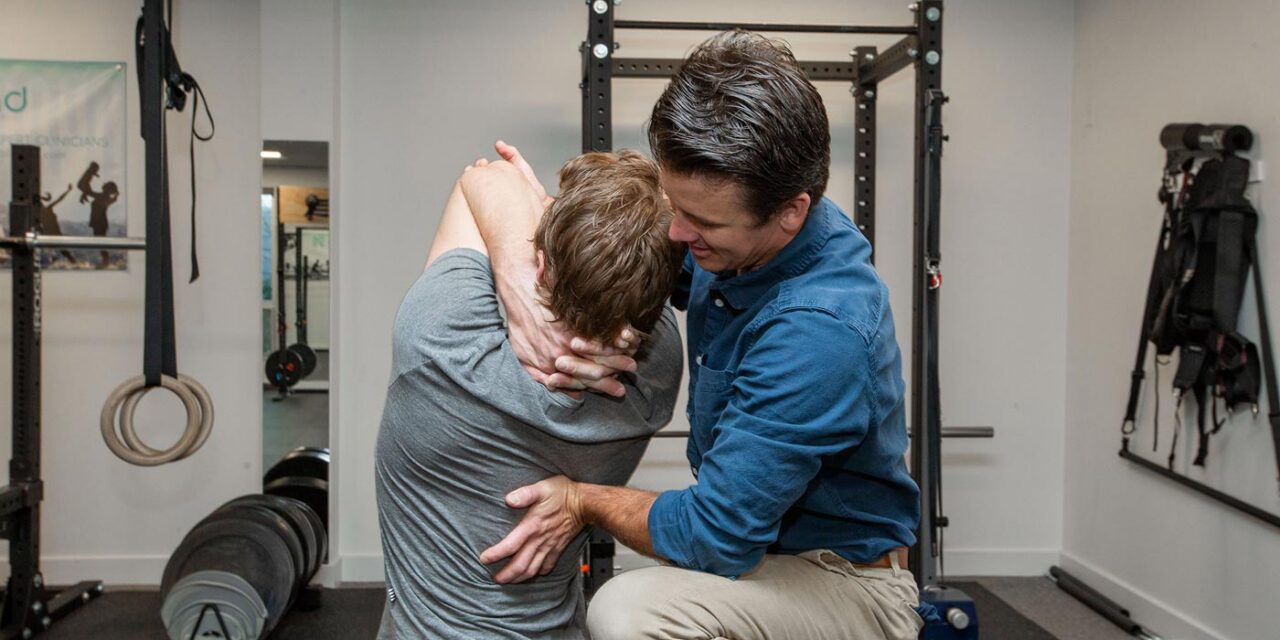
If your physical therapist tells you a segment in your low back or neck is stiff, it is fair to ask whether the manipulation has to land on that exact segment. Clinicians were long taught to find the restricted joint and aim straight at it. Two systematic reviews and one randomized trial have since tested...

Why Your SI Joint Is Rarely the Real Problem

The sacroiliac (SI) joint gets blamed for a lot of pain it probably isn’t causing. It’s not that clinicians are acting in bad faith. It’s that once you’re trained to look for something, confirmation bias makes it easy to keep finding it, even when the evidence says it’s uncommon. A Joint Built Not to Move...

Spinal Manipulation for Non-Musculoskeletal Conditions

Spinal manipulation has a solid evidence base for musculoskeletal pain: our articles on manipulation for low back pain and the best treatments for low back pain cover that research directly. The evidence looks very different once you move outside pain and mobility conditions and into the theory that manipulating the spine can influence internal organs...