By: Rani Helvey-Byers, PT, DPT, OCS
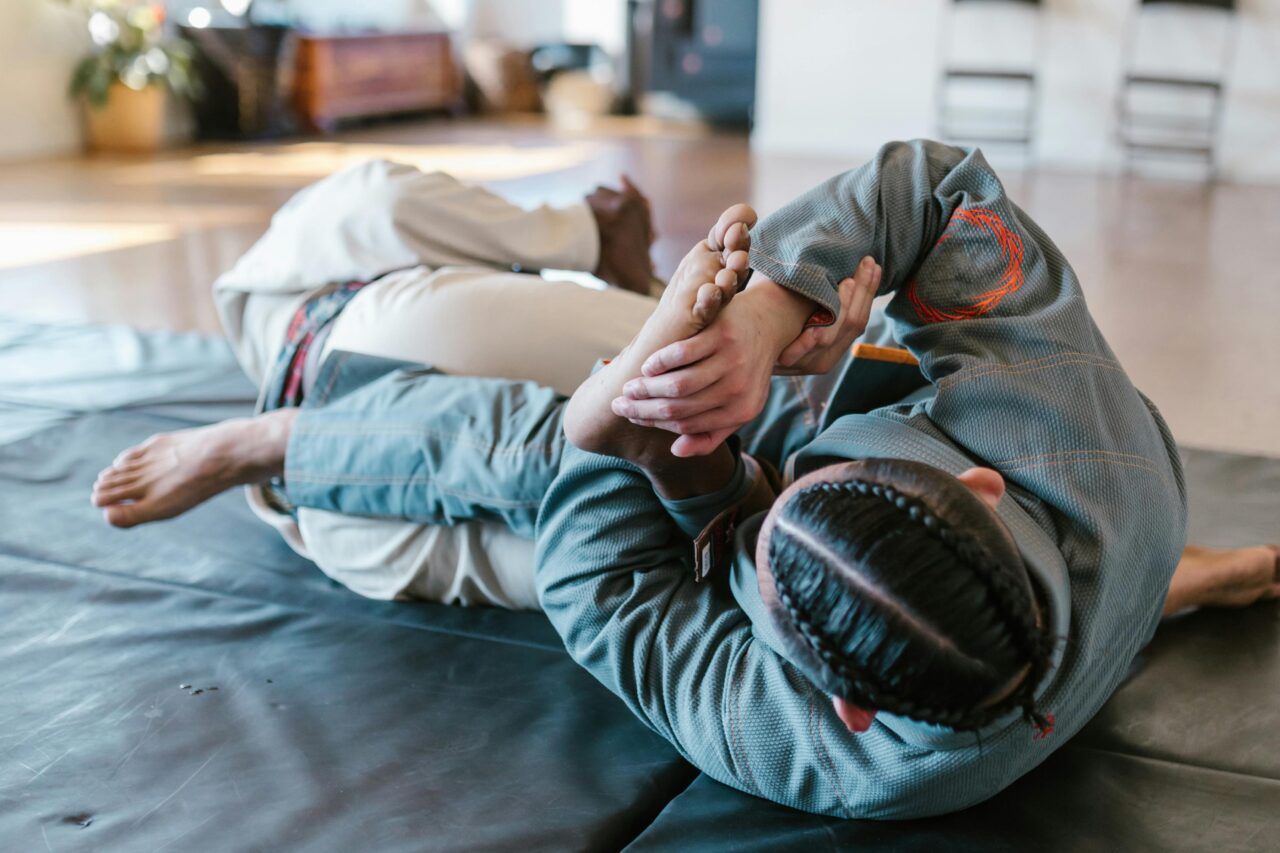
Brazilian Jiu Jitsu demonstrates an extremely high injury prevalence, with 91% of practitioners sustaining at least one injury during training and 60% of competitive athletes injured in competition.1 For many practitioners, injuries are simply part of the journey, a minor blip requiring mild alteration to the training schedule. However, research suggests that certain injuries dramatically increase the likelihood that athletes will quit the sport entirely. And, even with proper treatment, research suggests that only about 60% of martial artists return to their pre-injury level after a major injury. That means 40% of athletes either never return or return at a reduced level of participation.2
That is not a good statistic. So, let’s talk about how to prevent it.
What is the Injury Most Likely to Make BJJ Athletes Quit?
Research shows that the injury most likely to make athletes quit is not a specific location, but rather an injury that requires surgery. Surgery is the strongest predictor that a practitioner will consider quitting Brazilian Jiu-Jitsu. In fact, athletes who require surgery are 6.5 times more likely to consider quitting compared with those who don’t.1 Secondarily, injuries that require extended time away from training are another major factor. Missing more than four months of training increases the likelihood of quitting by more than fivefold.1
ACL Tears: The Most Devastating Injury in Grappling
ACL ruptures are particularly problematic because they often require surgery AND long absences from training – the deadly combination that can highly increase the risk of quitting.
ACL injuries typically require:
-
Surgical reconstruction
-
6–12 months of rehabilitation
-
A very gradual return to sport
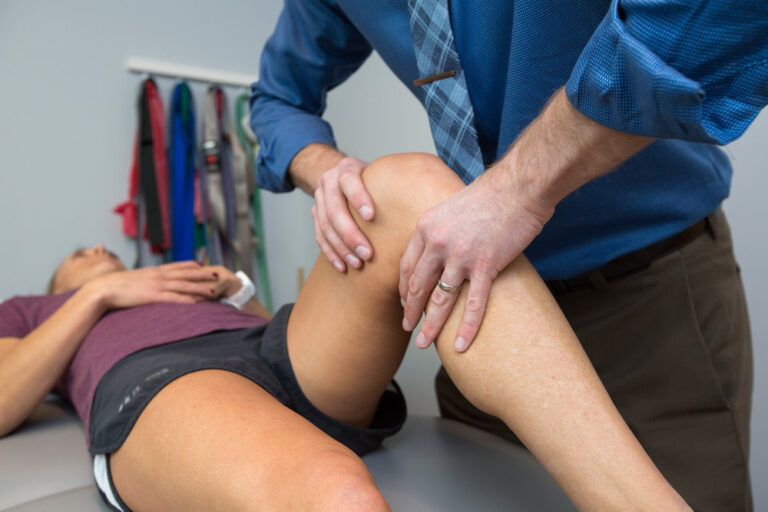
One reason for a high prevalence of ACL injury is the use of submission techniques that attack the knee joint. For example, when heel hooks are permitted in competition, the risk of knee injury increases by roughly twelve times.1 Further, injuries to the knee from heel hooks can injure more than just the ACL, causing MCL, meniscus or a combination of ligamentous injury. This can complicate and lengthen an already lengthy healing timeline.
How To Reduce Injury Risk
1. Never Skip the Warm-Up
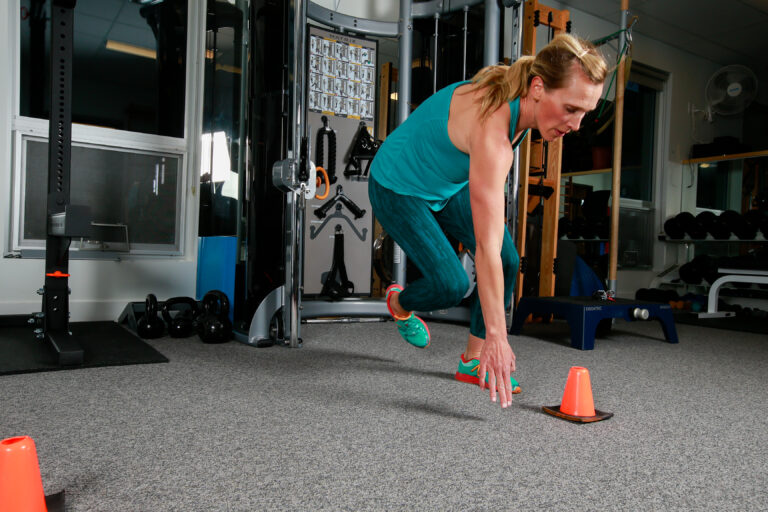
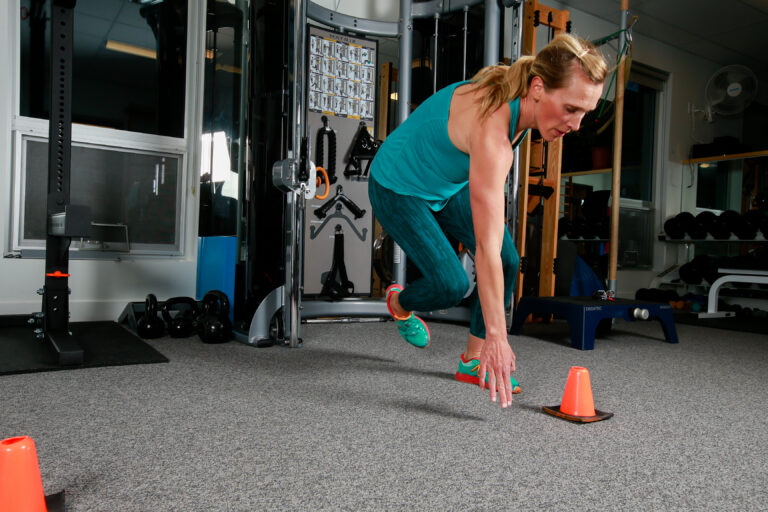
Studies across a variety of populations show that warming up before performing sports may reduce injury risk by about 30-50%.3 BJJ warm-ups should be dynamic and specific to the unique demands the sport places on our bodies. They should last about 7-10 minutes, and should be performed immediately before training.
Effective warm-ups for BJJ should be:
-
Dynamic – Aim for dynamic mobility versus static stretching in order to prime the muscles, joints, tendons, and ligaments.
-
Full-body
-
Grappling-specific – think grappler’s sit ups, bridges and shrimping out, etc.
2. Build Strength Around High-Risk Joints
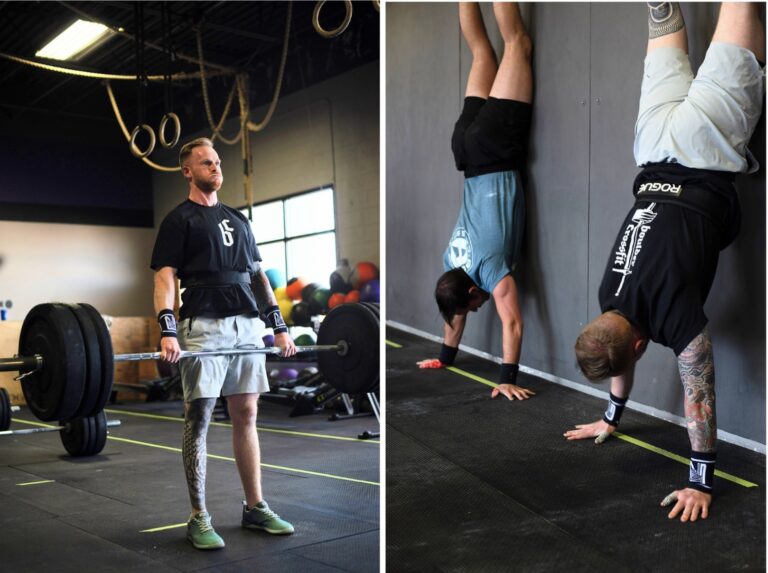
Injuries occur when an external force exceeds the capacity of a tissue (joint, muscle, tendon, or ligament). This makes local tissue capacity one of the most important modifiable factors. In a sport where you can’t always control the force applied by an opponent, improving tissue capacity through strength training is one of the most practical ways to reduce injury risk.
Knee (ACL, MCL, meniscus)
Focus: Build strength to better tolerate twisting and loaded positions
-
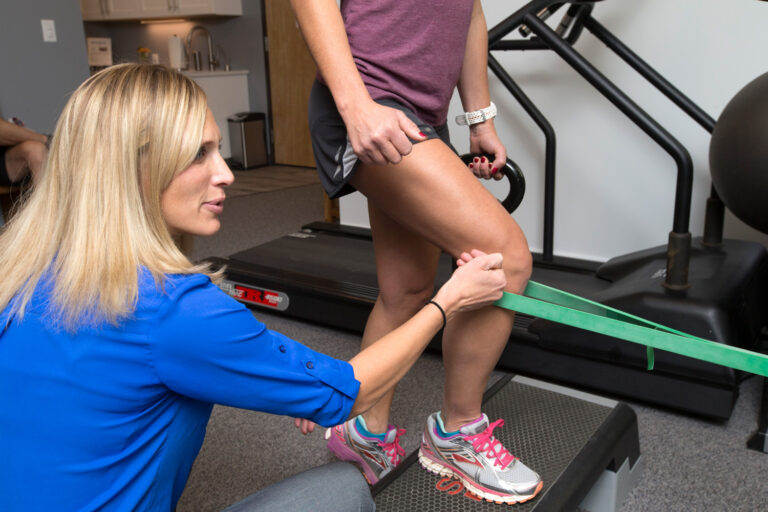
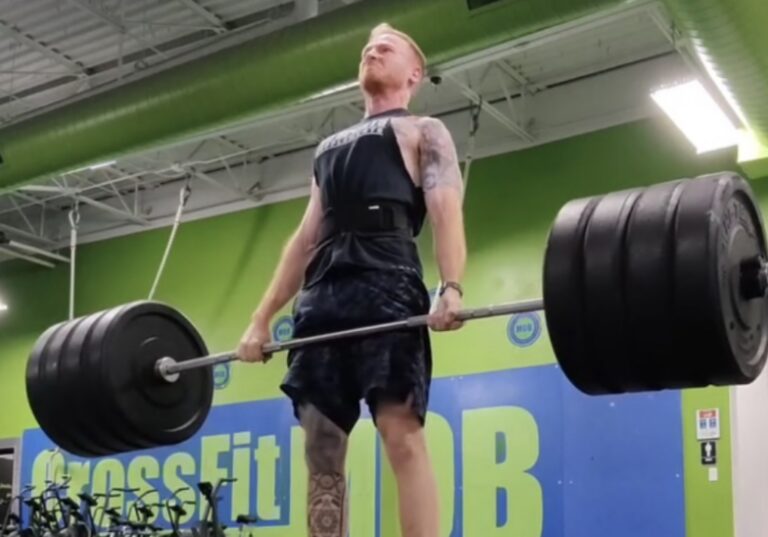
Hamstrings: Romanian deadlifts or hamstring curls
-
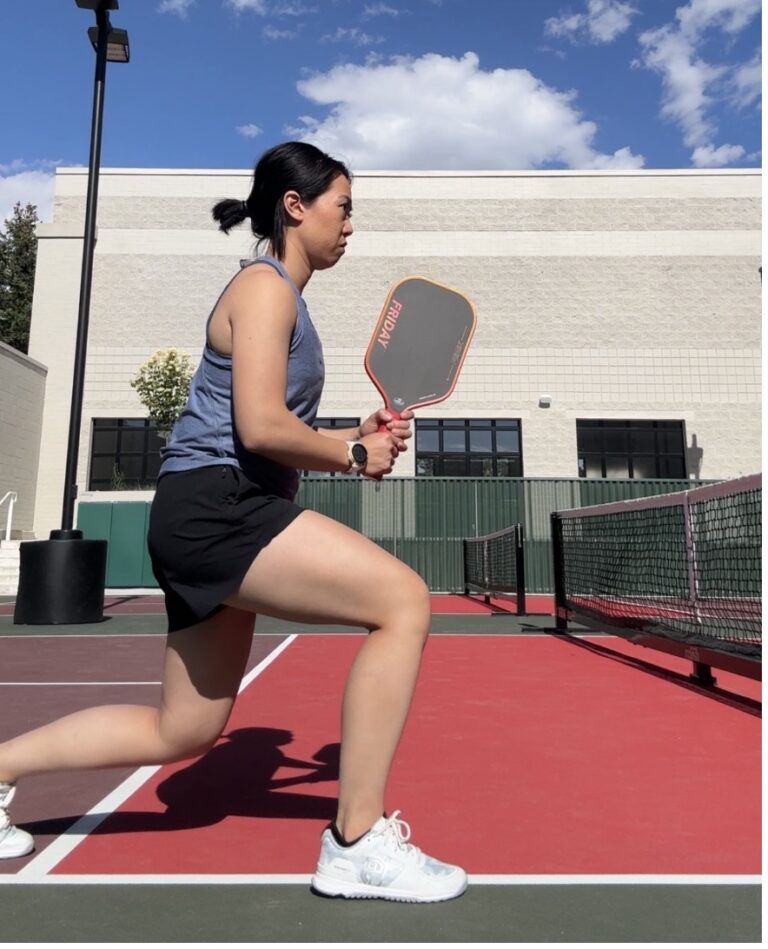
Glutes: Split squats or step-ups
-
Quadriceps: Squats or step-downs
Shoulder (dislocations, labral injuries, rotator cuff tears)
Focus: Improve stability and control, especially at end ranges
-
Rotator cuff: Banded external rotations (progress to arm at 90°)
-
Scapular control: Wall slides or controlled rows
-
End-range stability: Carries or controlled hangs
Elbow (arm bars, gripping strain)
Focus: Improve tolerance to forced extension and gripping load
-
Biceps strength: Slow, controlled biceps curls
-
Grip strength: Farmer’s carries or towel/gi hangs
3. Train for Sustainability by Reducing High Risk Decisions
Many BJJ injuries aren’t just bad luck—they’re the result of poor timing, fatigue, or pushing too hard too soon.
High-risk decisions:
-
jumping back in to hard rolling without progression
-
increasing training volume too fast
-
training through fatigue or existing injury
Sustainable training habits:
-
build up from drilling → flow rolling → harder rolling
-
ease into higher-risk situations (like leg locks or new partners)
-
tap early
-
avoid explosive escapes from bad positions
-
communicate with your partner
-
prioritize technique over force
4. Work With a Physical Therapist who Understands BJJ
BJJ exposes your body to positions and forces that most traditional rehab programs don’t account for. Because of this, working with a physical therapist who understands the specific demands of BJJ is critical.
A BJJ-informed physical therapist can help you:
-
identify movement patterns that break down during grappling
-
address mobility restrictions that limit safe positioning
-
build strength where you’re most vulnerable
-
create a return-to-training and risk reduction plan that allows you to practice BJJ for years to come
Click Here to schedule your next appointment with the experts at MEND
References:
-
Petrisor BA, Del Fabbro G, Madden K, Khan M, Joslin J, Bhandari M. Injury in Brazilian Jiu-Jitsu Training. Sports Health. 2019;11(5):432-439. doi:10.1177/1941738119849112
-
Su AW, Johns WL, Bansal S. Martial Arts: Orthopaedic Injuries and Related Biomechanics. JAAOS – Journal of the American Academy of Orthopaedic Surgeons. 2024;32(1):e1. doi:10.5435/JAAOS-D-23-00261
-
Emery CA, Pasanen K. Current trends in sport injury prevention. Best Practice & Research Clinical Rheumatology. 2019;33(1):3-15. doi:10.1016/j.berh.2019.02.009