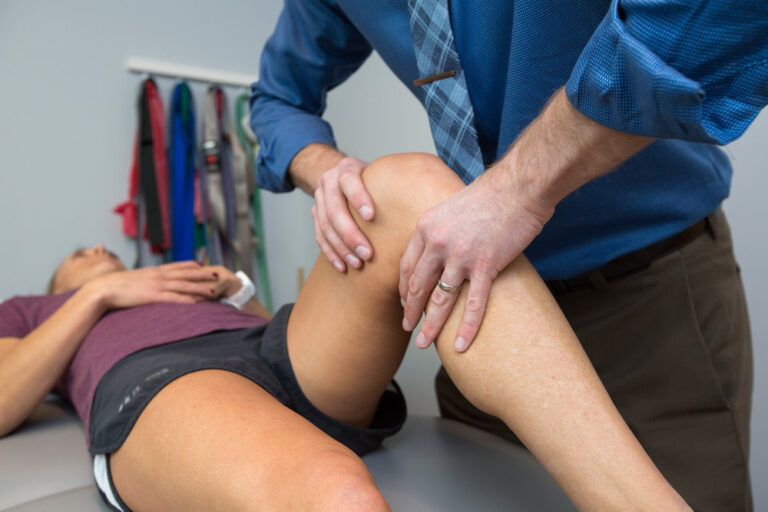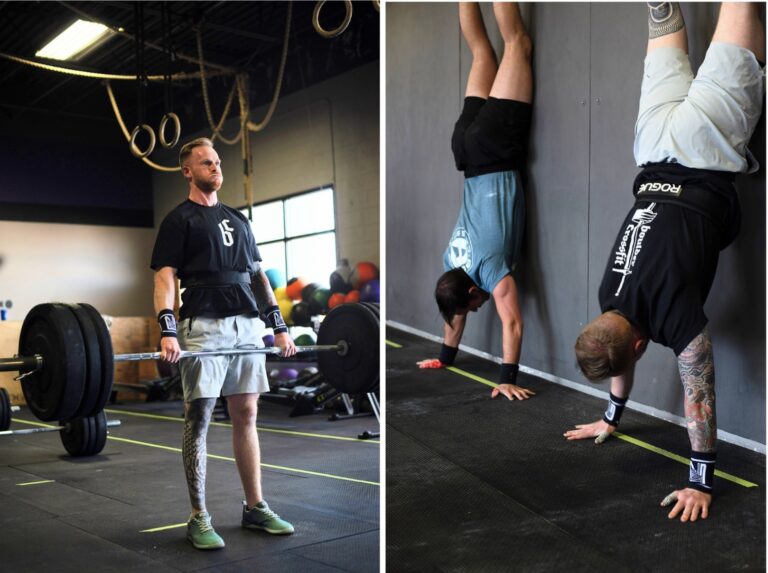

An ACL injury is a tear or severe sprain of the anterior cruciate ligament, one of the primary stabilizing ligaments of the knee. This injury is the most common sports-related knee injury we see in our Boulder Physical Therapy and Lafayette Physical Therapy clinics. Athletes most commonly injure their knee in in cutting, pivoting, skiing, and jumping activities. The majority of these injuries occur during non-contact mechanisms, such as sudden deceleration, rapid changes in direction, or awkward landings that overload the knee joint beyond what the ligament’s capacity.
An injured ACL significantly compromises knee stability and neuromuscular control, leading to noticeable deficits in strength, balance, agility, and overall movement quality during sports. Patients often struggle with dynamic activities and may feel that the knee cannot properly support cutting, pivoting, or high-impact movements. Patients with greater functional loss and higher level athletic goals often pursue ACL surgery before completing a high level Physical Therapy protocol.
Common ACL injury symptoms include:
-
A sudden “pop” at the time of injury
-
Rapid swelling of the knee
-
Pain with weight-bearing
-
A feeling of instability or the knee “giving out”
-
Reduced range of motion
-
Loss of strength and confidence during athletic movements
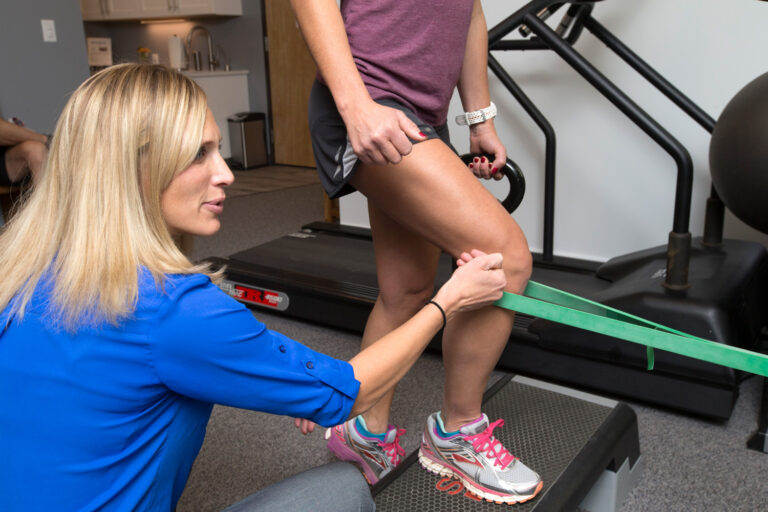
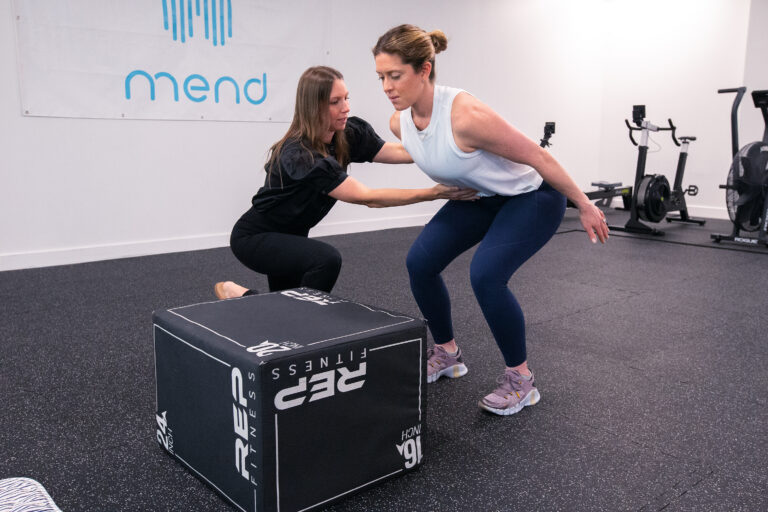
At Mend, patients undergoing ACL rehabilitation can expect a highly individualized, evidence-based physical therapy program tailored to their specific injury, graft choice, and activity/sports goals From the beginning, our clinicians design rehab programs that consider how the chosen surgical procedure (e.g., patellar, hamstring, or quadriceps tendon) will influence strength, loading, and rehabilitation progression.
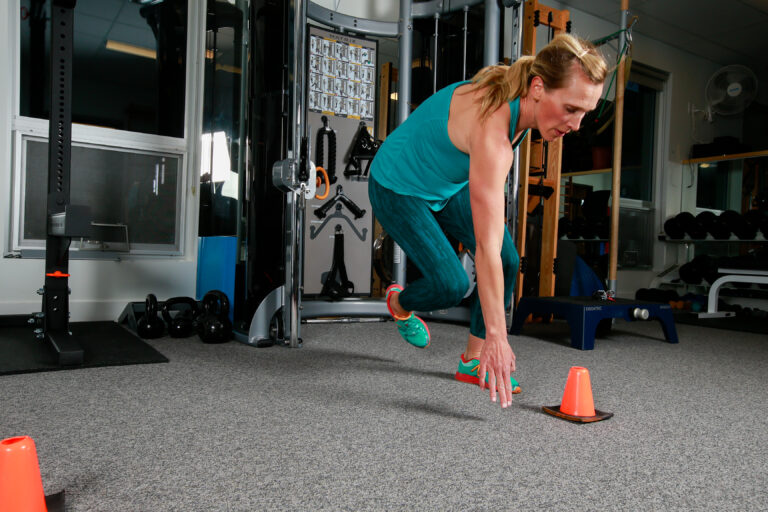
We ensure exercises and milestones align with optimal healing and long-term performance needs. Early phases focus on restoring basic knee motion, managing swelling, and gradually rebuilding strength and neuromuscular control, while later stages incorporate more advanced functional and sport-specific exercises as patients progress toward their goals.
Throughout the process, therapists emphasize a criteria-based progression rather than simply following a calendar, meaning each phase advances only once key strength, stability, and movement-quality benchmarks are met, helping patients safely return to activities such as skiing, running, and sports competition with confidence.
Click Here to schedule your next appointment with the experts at MEND