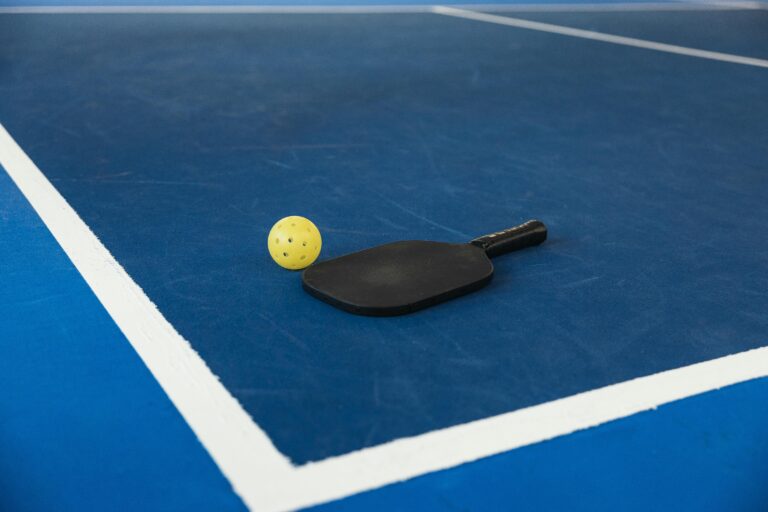

Pickleball is one of the fastest growing sports in America, and for good reason. It’s social, fun, accessible, and provides an excellent workout. But for many women, there is one frustrating side effect that often goes unspoken:
Leaking urine during play.
If you’ve ever leaked while sprinting for a drop shot, lunging at the kitchen line, laughing with friends between points, or celebrating a big win, you’re not alone. Many women experience stress urinary incontinence (SUI), and the good news is that pelvic floor physical therapy can often help significantly.
What Is Stress Urinary Incontinence?
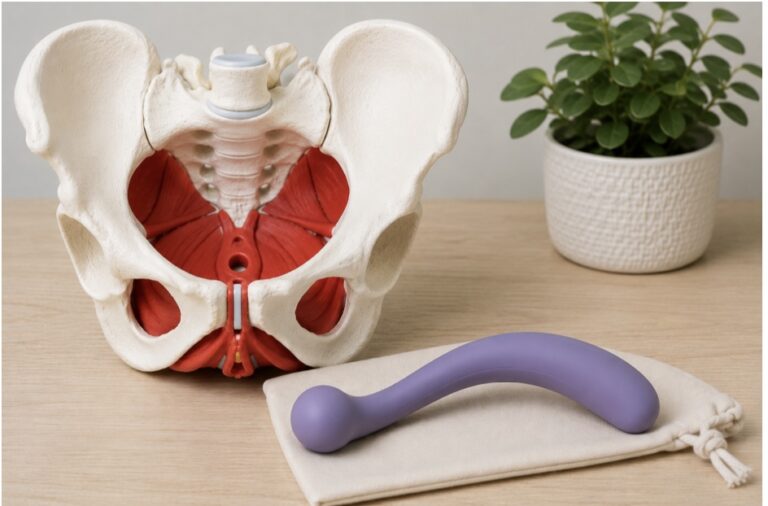
Stress urinary incontinence occurs when pressure inside the abdomen exceeds the ability of the pelvic floor muscles and connective tissues to support the bladder and urethra.
Despite the name, “stress” doesn’t refer to emotional stress. It refers to physical stress placed on the bladder during activities such as:
- Jumping
- Running
- Coughing
- Sneezing
- Lifting
- Quick direction changes
The result can be small leaks, larger accidents, or simply a constant concern about whether leakage might occur.
Why Does Pickleball Trigger Leakage?
Pickleball involves many movements that increase pressure on the pelvic floor:
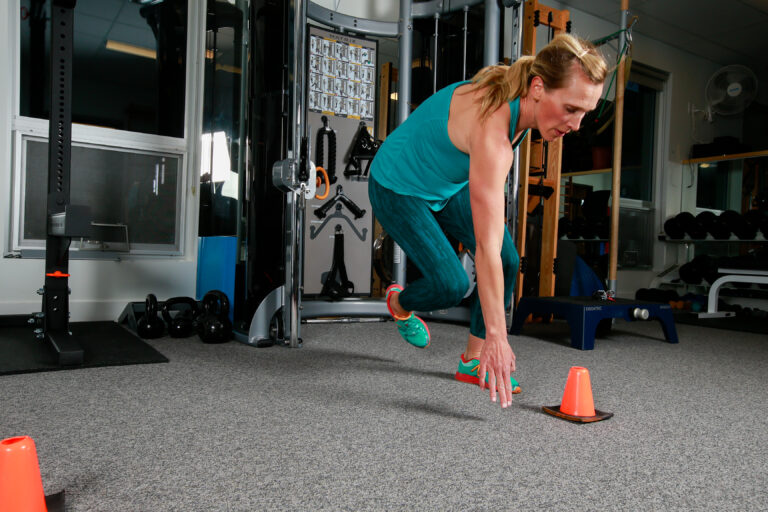
Sudden Starts and Stops
Quick acceleration and deceleration create spikes in abdominal pressure that challenge the pelvic floor’s ability to react quickly.
Lateral Movements
Side shuffling and lunging place additional demands on the pelvic floor, hips, and core muscles to stabilize the body.
Rotational Movements
Serving, overheads, and reaching shots require coordination between the abdominal muscles, diaphragm, and pelvic floor.
Repetitive Impact
Even though pickleball is lower impact than tennis, repeated movement over a long match can fatigue the pelvic floor muscles.
For some women, the pelvic floor simply cannot generate enough support at the right time, leading to leakage.
The Pelvic Floor Is More Than Just Kegels
Many people assume leakage means their pelvic floor is weak.
Sometimes that’s true.
However, many pickleball players who leak actually have pelvic floor muscles that are too tight, poorly coordinated, or unable to relax and contract efficiently.
Think of the pelvic floor like any other athletic muscle group. Strength matters, but timing, endurance, coordination, and mobility matter too.
This is why simply doing hundreds of Kegels often fails to solve the problem.
Common Risk Factors for SUI
Several factors can increase the likelihood of leaking during pickleball:
- Pregnancy and childbirth
- Menopause
- Chronic constipation
- Repetitive heavy lifting
- Previous pelvic surgery
- Obesity
- Chronic coughing
- High-impact sports participation
- Pelvic floor muscle dysfunction
Importantly, leakage is common but it is not considered a normal part of aging or exercise.
How Pelvic Floor Physical Therapy Helps
Pelvic floor physical therapy addresses the root causes of leakage rather than simply masking symptoms.
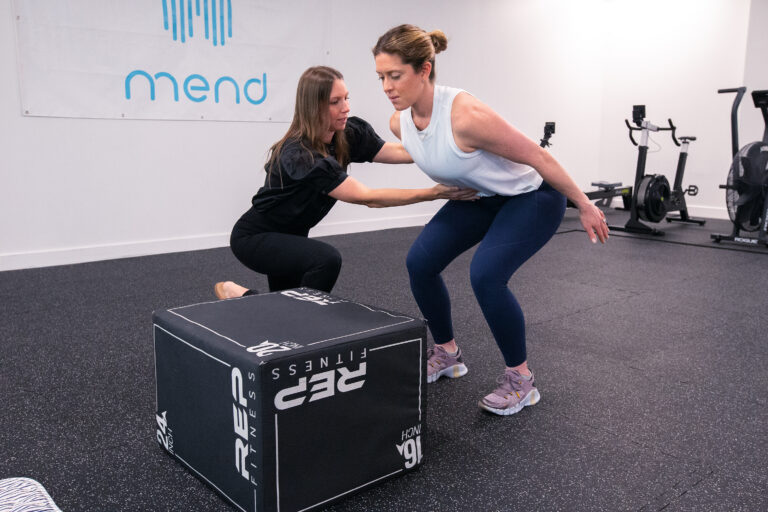
Pelvic Floor Assessment
A physical therapist can evaluate:
- Pelvic floor strength
- Muscle coordination
- Endurance
- Breathing mechanics
- Core function
- Hip strength and mobility
- Movement patterns during sport
Strength and Endurance Training
If weakness is present, targeted exercises can improve the pelvic floor’s ability to handle the demands of pickleball.
Coordination Training
Many athletes need to learn how to coordinate their breathing, abdominal muscles, and pelvic floor during movement.
This allows the pelvic floor to respond automatically when pressure increases.
Hip and Core Rehabilitation
Research consistently shows that hip strength and trunk stability play important roles in pelvic floor function.
Improving these areas often reduces symptoms.Your therapist can help you gradually progress through sport-specific drills so you can confidently return to the court without fear of leakage.
Should I Stop Playing Pickleball?
Not necessarily.
Many women successfully continue playing pickleball while addressing pelvic floor dysfunction.
However, if you’re experiencing:
- Increasing leakage
- Pelvic heaviness or pressure
- Pelvic pain
- A sensation of bulging
- Significant urgency
It may be beneficial to schedule an evaluation with a pelvic floor physical therapist.
Early intervention often leads to faster improvement and better long term outcomes.
The Bottom Line
If you’re planning your game around bathroom breaks, wearing pads “just in case,” or avoiding certain shots because you’re worried about leaking, know that you are not alone.
Stress urinary incontinence is extremely common among active women, but it is also highly treatable.
Pelvic floor physical therapy can help improve strength, coordination, breathing mechanics, and movement strategies so you can get back to focusing on your game not your bladder.
You deserve to enjoy pickleball without worrying about leakage every time you step on the court.
Click Here to schedule your next appointment with the experts at MEND