By: Hope Whitman, PT, DPT, OCS
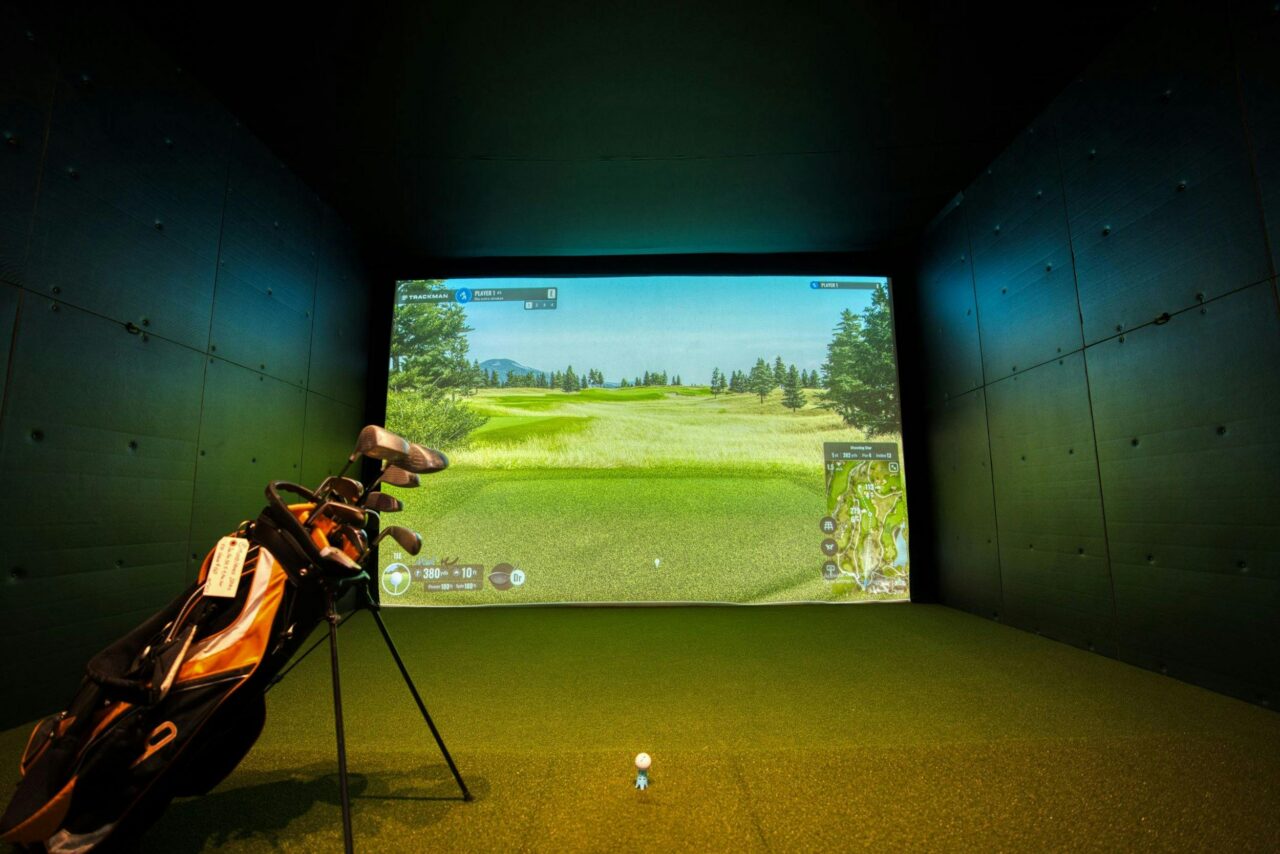
Indoor golf is one of the best tools we have for building swing mechanics, strength, and consistency. But when golfers transition back outdoors, performance often dips—and it’s not just mental. The physical demands and environmental variability change the game in meaningful ways.
From a physical therapy perspective, this transition is less about fixing swings and more about restoring adaptability, contact quality, and movement variability.
Why the Transition Feels Harder Than Expected
Indoor environments remove key variables:
- Perfect lies
- No wind or temperature changes
- Predictable visuals and distances
Outdoors, golfers must integrate perception, balance, and motor control in real time. This “perception-action coupling” is significantly different in virtual vs real settings (Gray, 2017), which is why clean simulator swings don’t always translate immediately.
3 Key Physical Therapy Focus Areas
1. Ground Contact & Low-Point Control
Mats are forgiving—grass is not.
Poor low-point control becomes obvious outdoors and often presents as:
- Fat/thin contact
- Early extension or loss of posture
- Overuse of upper extremities
How PT Can Help:
- Weight shift and pressure control drills
- Lead-side stability (glute + quad integration)
- Controlled wedge and short iron progressions on turf
Consistent ball-first contact is strongly tied to efficient ground reaction forces and ball striking (Kwon et al., 2013).
2. Mobility + Stability on Variable Lies
Outdoor golf demands movement in less-than-ideal positions:
- Uneven stances
- Slopes
- Rotational control under constraint
Common limitations we see:
- ↓ hip internal rotation
- ↓ thoracic rotation
- Poor single-leg balance
How PT Can Help:
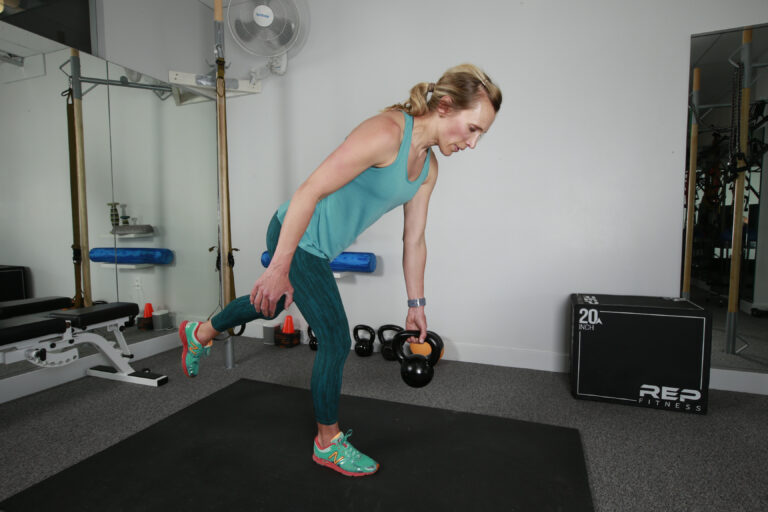
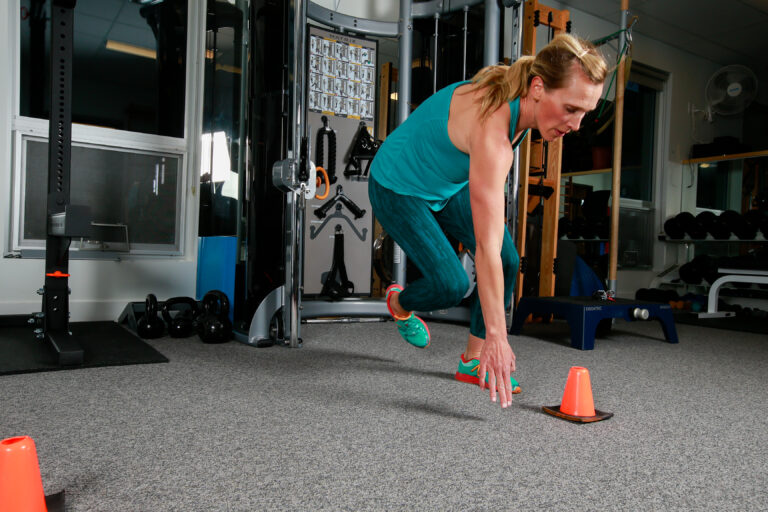
- Split-stance and uneven surface training
- Rotational mobility (T-spine + hips)
- Foot/ankle stability and proprioception
These become even more important for both performance and injury prevention (Vad et al., 2004).
3. Distance & Short Game Recalibration
Simulator carry distances don’t fully account for:
- Temperature and air density
- Wind
- Turf interaction and spin
Distance discrepancies of up to ~10% have been reported depending on conditions (Wells et al., 2020).
But the biggest drop-off is usually short game, where simulators fall short:
- Green speed variability
- Spin control
- Lies around the green
How PT Can Help:
- Motor control and tempo drills (not just mechanics)
- High-repetition, variable practice (especially 50–150 yards)
- Rebuilding “feel” rather than chasing perfect form
Simple Return-to-Outdoor Progression
Week 1–2: Contact First
- Short irons, wedges on grass
- Emphasize strike quality over outcome
Week 2–3: Add Variability
- Change targets, lies, and clubs
- Introduce uneven stance drills
Week 3–4: Integrate Play
- Begin on-course sessions
- Focus on decision-making and adaptability
Bottom Line
Indoor golf builds capacity. Outdoor golf tests it.
The role of physical therapy in this transition is to:
- Restore movement variability
- Improve ground interaction
- Build resilient, adaptable golfers
If you treat the transition like a graded return to sport—not just a change in location—performance improves faster and injuries are less likely to follow.
Click Here to schedule your next appointment with experts at MEND
References
- Broadie, M. (2014). Every Shot Counts: Using the Revolutionary Strokes Gained Approach to Improve Your Golf Performance.
- Gray, R. (2017). Transfer of training from virtual to real environments in sports. Frontiers in Psychology.
- Kwon, Y.-H., et al. (2013). Biomechanics of the golf swing. Sports Biomechanics.
- Vad, V. B., et al. (2004). Low back pain in professional golfers. The American Journal of Sports Medicine.
- Wells, G. D., et al. (2020). Physical determinants of golf performance. Journal of Strength and Conditioning Research.