Blog

When Should a Massage Therapist Refer to Physical Therapy?

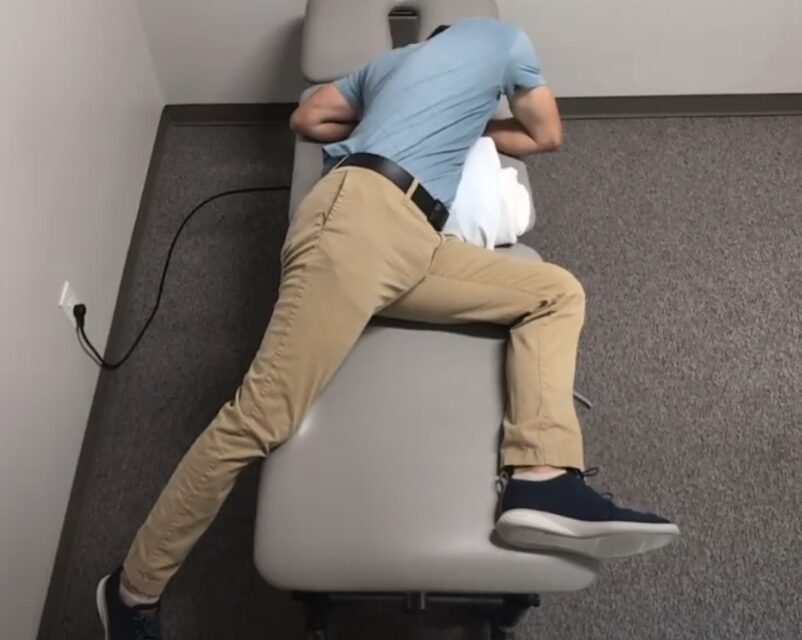
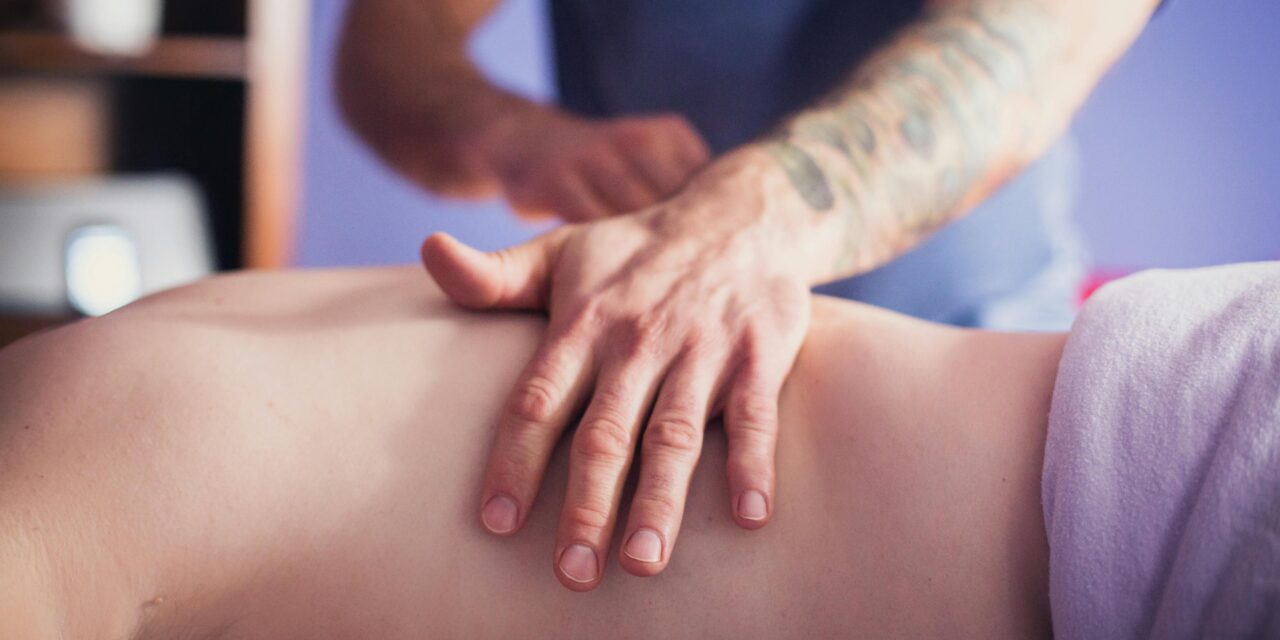
By: Ian Nay, PT, DPT, OCS At Mend Physical Therapy, we spend a lot of time working with people who are already doing many of the right things. They train regularly, they prioritize recovery, and a lot of them are getting consistent massage work. That combination matters. Good soft tissue work can absolutely help reduce...

Prevention And Treatment Of Hamstring Strains

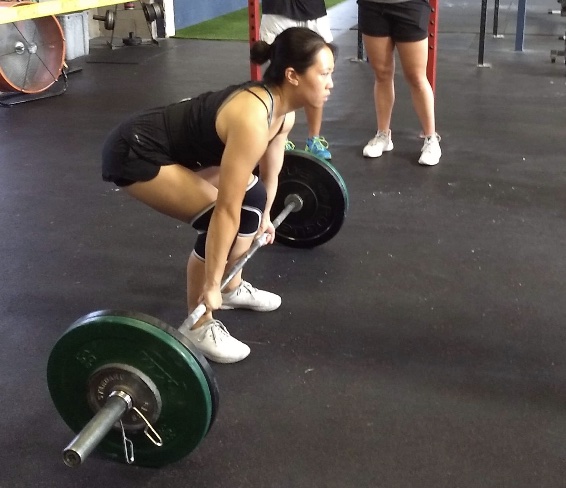
Background Hamstring injuries are one of the most common injuries in athletics accounting for up to 20% of all sports injuries (Wing et al. 2020).  Injuries can be both acute due to a traumatic injury or overuse in nature due to exposure to higher training volumes over time.  Both types of injuries can lead to...

Understanding Patellar Tendinopathy (Jumper’s Knee)  Patellar tendinopathy, commonly known as jumper’s knee, is one of the most prevalent chronic knee injuries, especially among athletes who engage in jumping activities. Up to half of all jumping athletes experience this condition. In the past, patellar tendinopathy was often referred to as tendinitis, but more recent research suggests...

What is the Pelvic Floor? And What is Pelvic Health Physical Therapy?

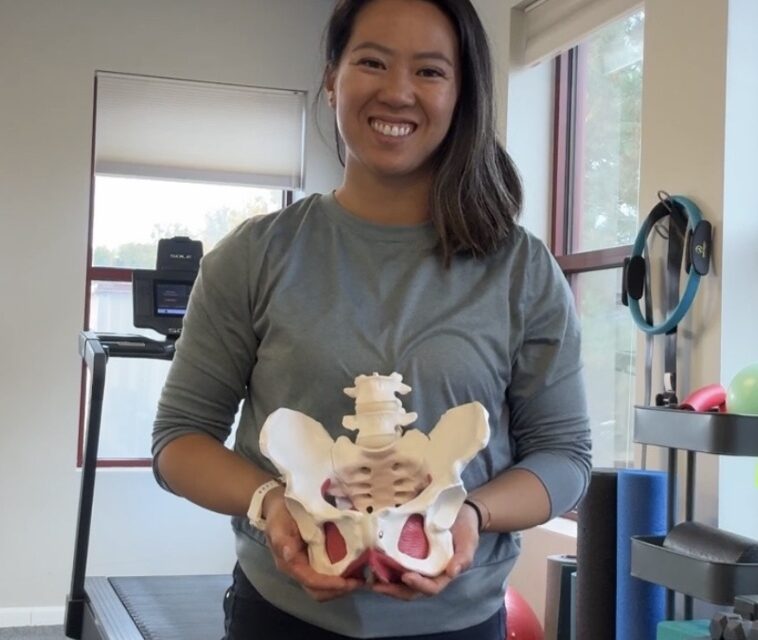
The pelvic floor consists of muscles, ligaments, fascia and nerves located within the bony pelvis of women and men. In physical therapy we often discuss the muscles of the pelvic floor and may simply refer to these as the “pelvic floor”. These muscles serve essential functions including:  Support for pelvic organs (bladder, uterus, bowel)  Control...

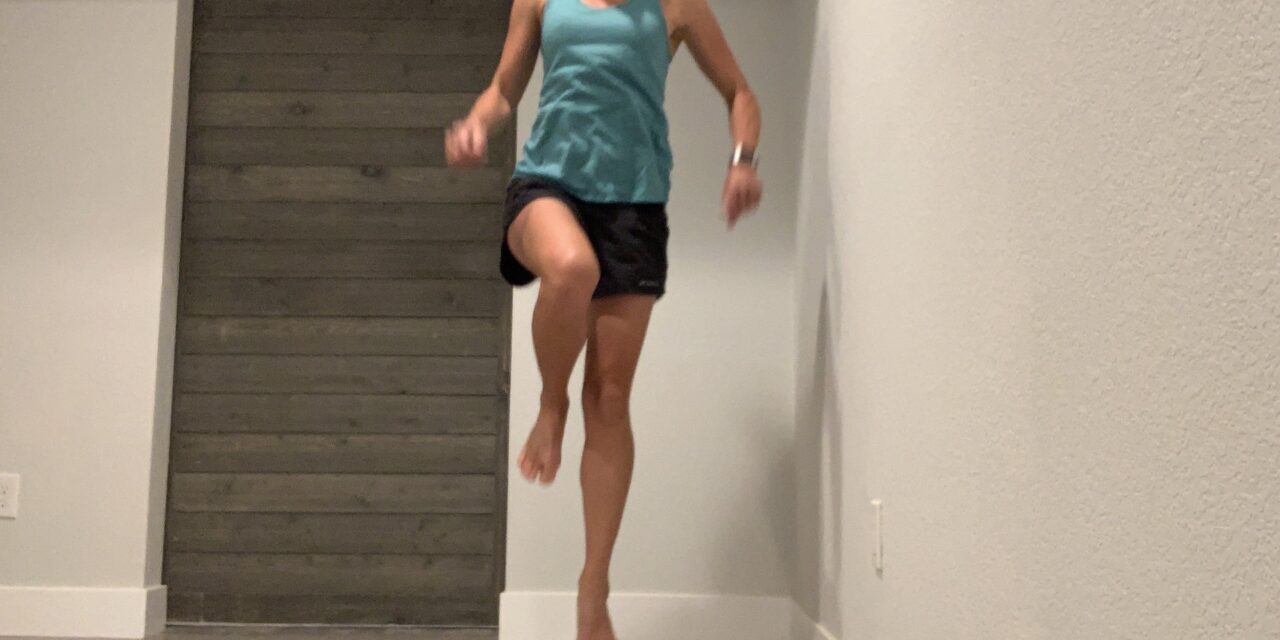
The 6-week postpartum doctor’s visit is when women are often “cleared” for activity and are often advised to start slowly and gradually build exercise volume. Running is a popular activity in the postpartum population given the flexibility of scheduling exercise, weight loss and fitness benefits and ability to participate in exercise with your baby (once...

The 6-week postpartum doctor’s visit is when women are often “cleared” for activity and are often advised to start slowly and gradually build exercise volume. Running is a popular activity in the postpartum population given the flexibility of scheduling exercise, weight loss and fitness benefits and ability to participate in exercise with your baby (once...

What is pelvic organ prolapse and how do I know if I have it? Pelvic organ prolapse (POP) is the descent or tissue laxity of the front (bladder), back (rectum), or  top (cervical) aspect of the vaginal wall.  With less support from connective tissue and muscles of the pelvis, the bladder, uterus, or rectum can...

Pelvic organ prolapse occurs when there is a lack of support from the muscles or connective tissues around the bladder, rectum or uterus (if applicable). Symptoms can include: sensation of pelvic heaviness or pressure in the vagina or rectum, incomplete emptying of the bladder or rectum, and more outlined here. Risk factors for prolapse include:...