
At Mend Physical Therapy, we spend a lot of time working with people who are already doing many of the right things. They train regularly, they prioritize recovery, and a lot of them are getting consistent massage work. That combination matters. Good soft tissue work can absolutely help reduce symptoms, improve how someone feels day to day, and keep them training.
Where we tend to step in is when things stop progressing.
A common pattern we see is someone who feels better after every session, but the same issue keeps coming back. Maybe it’s the same shoulder, the same hip, or the same spot in the low back. It improves, then resets. Over time, that usually points to something deeper than just the tissue itself. As we’ve talked about in other Mend content, the goal isn’t just to treat symptoms, it’s to actually address the root cause so people can get back to what they enjoy without the same limitations showing up again.
A lot of what people describe as tightness is really just the body responding to how it’s being used. If a joint isn’t moving well, or if a certain movement pattern keeps loading the same area, the surrounding tissue will tighten up as a protective strategy. You can improve how it feels with massage, and that’s valuable, but if nothing changes about how the body is moving, the same pattern tends to stick around.
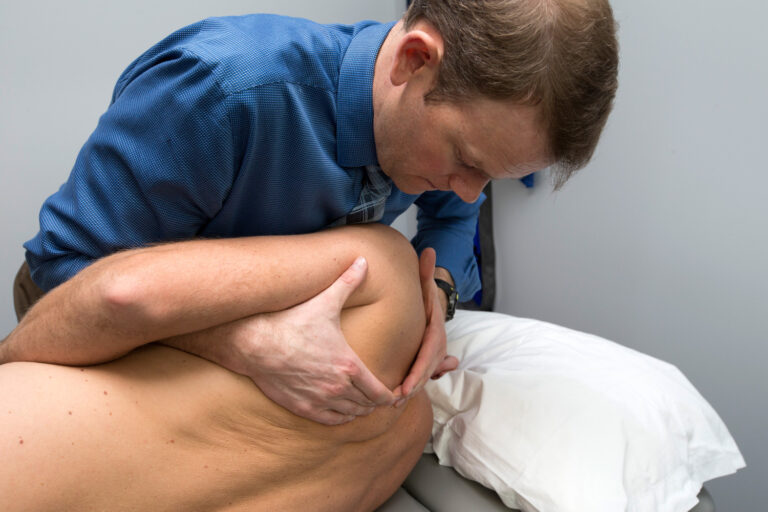
This is also where certain physical therapy interventions can complement what massage is already doing. Techniques like dry needling can help reduce tone in deeper or more stubborn areas that don’t always respond to traditional soft tissue work, especially when there’s a neuromuscular component involved. Spinal manipulation can also play a role in specific cases, particularly when joint stiffness is contributing to limited movement or ongoing symptoms. Neither of these are meant to replace massage, but they can help create a window where movement improves more easily, which we then build on with strength and loading.
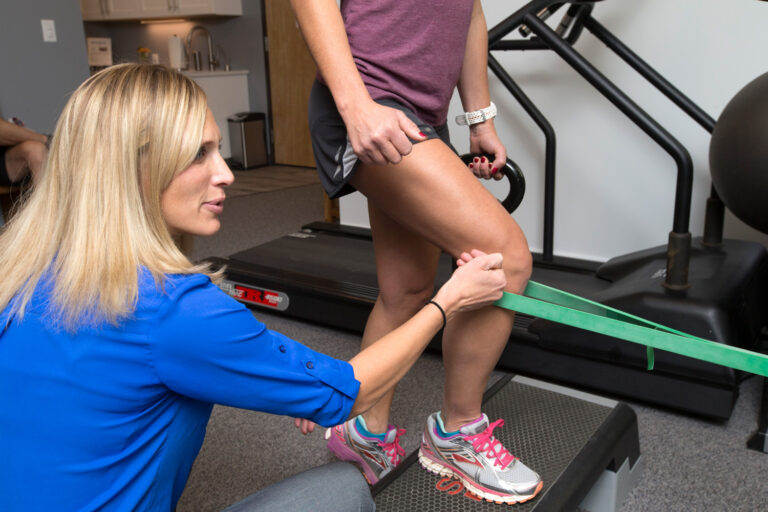
We also start thinking about referral when something just doesn’t change the way you’d expect. If someone has consistent soft tissue work and their range of motion doesn’t improve, or one side continues to feel blocked or off, that’s usually a sign the limitation isn’t purely muscular. In those cases, we’re often looking at joint mechanics or motor control. That’s where a more detailed assessment can help connect the dots and give the client something actionable beyond temporary relief.
Another situation that stands out is when symptoms don’t behave like a typical muscle issue. If someone is dealing with numbness, tingling, or symptoms that travel down an arm or leg, that shifts the conversation pretty quickly. Those presentations tend to involve the nervous system, and while massage might help them feel better in the short term, it won’t address the source of the problem.
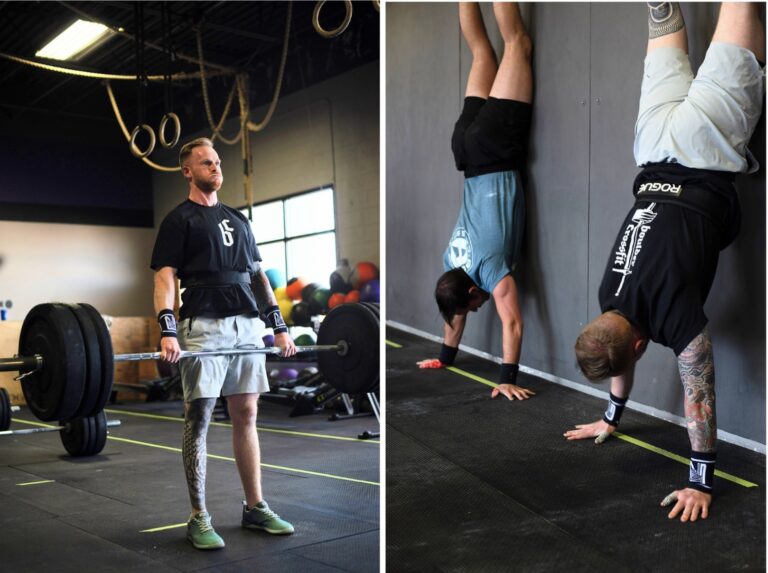
This shows up a lot in more active populations too. Lifters, CrossFit athletes, and climbers will often describe a specific area that always feels tight, especially during certain movements. They’re doing mobility work, getting bodywork, and still feel limited. In many of these cases, the issue isn’t that the tissue needs more work, it’s that the body is asking that tissue to do more than it should. Mend has written about this idea in the context of sport-specific demands, where repetitive loading and movement patterns can drive overuse issues if nothing else changes.
None of this takes away from the value of massage therapy. If anything, it highlights where it fits best. Massage is incredibly effective at improving symptoms and helping people tolerate training and daily life. Physical therapy is more focused on changing the underlying inputs so those symptoms don’t keep returning.
At Mend Physical Therapy, the best outcomes usually come from combining both approaches. When the symptoms are calmed down and the underlying issue is addressed at the same time, people tend to make progress that actually lasts.
At the end of the day, referring to physical therapy isn’t about losing a client. It’s about helping them move forward instead of staying stuck in the same cycle. And when that happens, they usually come back getting more out of the work you’re already doing.
Click Here to schedule your next appointment with the experts at MEND