If you are wondering whether physical therapy actually works, you are not alone. Many people in Boulder ask this after experiencing rushed visits or generic care that did not solve the real problem.
At Mend Colorado, we see this question every day. The short answer is yes, physical therapy works when it is delivered with expertise, intention, and enough one on one time. Results depend less on the exercises themselves and more on how well care addresses the root cause of pain and the real demands of your lifestyle.
In an active community like Boulder, success means more than short term relief. It means getting back to hiking, running, skiing, cycling, work, and daily life with confidence and without constant setbacks.
The Short Answer: Yes, Physical Therapy Works, When It’s Done Correctly
Physical therapy does work, but the results depend on how your care is delivered.
When physical therapy includes:
- enough one on one time with a skilled clinician
- thoughtful evaluation and decision making
- a clear plan that fits your goals and lifestyle
It can be very effective at reducing pain, restoring movement, and helping you get back to the activities you care about.
Many mixed or negative experiences happen when physical therapy is treated like a service rather than a process. That difference is often what separates frustration from real, lasting progress.
Why Physical Therapy Sometimes “Doesn’t Work”
Skepticism about physical therapy usually comes from how care is experienced, not from a lack of effort on the patient’s part.
Physical therapy can feel ineffective when:
- Appointments are too brief to fully understand how pain developed or how symptoms change over time.
- Care feels repetitive or templated, rather than responsive to the individual.
- Progress is unclear, leaving patients unsure whether anything is actually changing.
When these issues are present, it is understandable to question whether physical therapy works, even though the challenge is often the experience of care, not physical therapy itself.
What Actually Makes Physical Therapy Effective
High quality physical therapy is not defined by a list of exercises or a specific technique. It is defined by how decisions are made and how care adapts to you over time. Three factors consistently separate effective physical therapy from frustrating experiences.
Clinician Expertise and Clinical Reasoning
Effective physical therapy relies on ongoing clinical thinking, not a one time diagnosis.
- Your response to treatment is assessed every visit.
- Care decisions change based on what is improving, what is not, and why.
- Progress is guided by how your body responds, not by a preset schedule.
This clinical reasoning is what keeps care focused on the real drivers of pain and function.
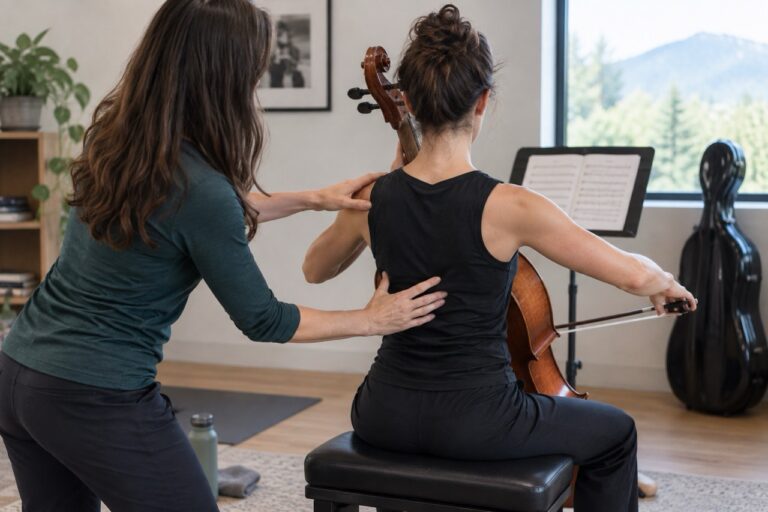
One on One Time Matters
Time matters because it allows care to be precise.
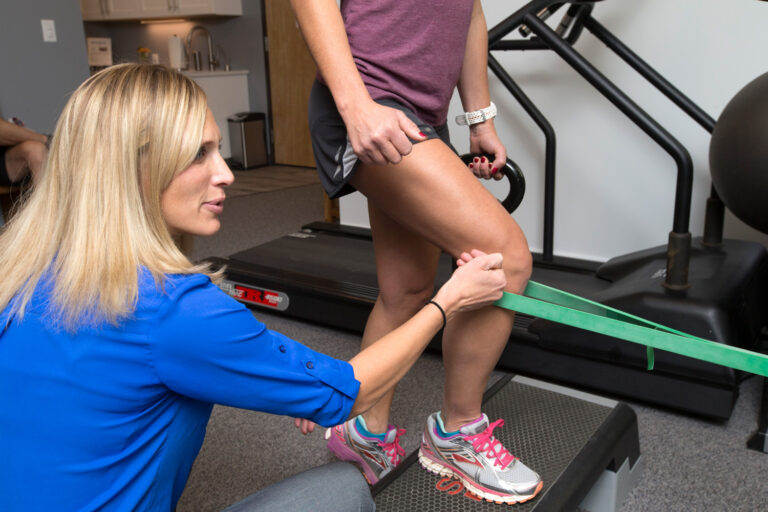
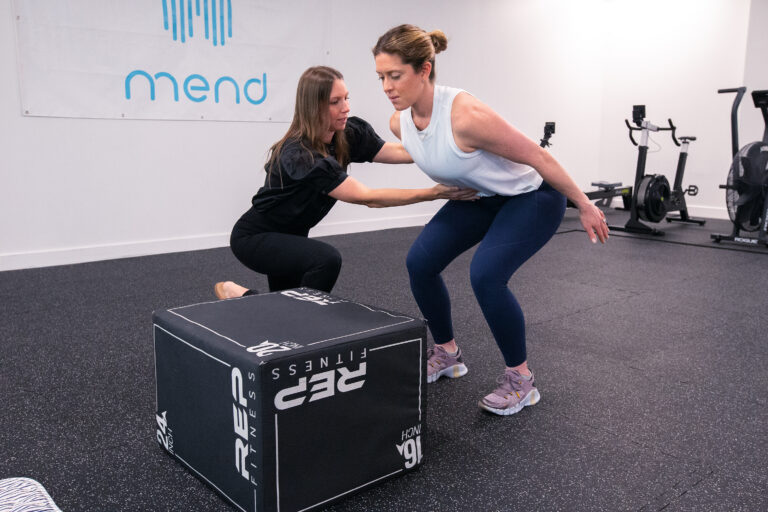
- One on one sessions create space for deeper assessment and adjustment.
- Fewer details are missed when attention is not divided.
- Education and progression are built into the visit, not rushed at the end.
Adequate time is often what allows physical therapy to move beyond surface level treatment.
Education Drives Better Outcomes
Understanding your body is a key part of recovery.
- Knowing why pain developed reduces fear and uncertainty.
- Clear expectations make progress easier to recognize.
- Learning how to self manage and progress on your own builds confidence.
Evidence-Based Physical Therapy, What the Research Actually Supports
Research consistently supports physical therapy as an effective, evidence-based approach for many common conditions.
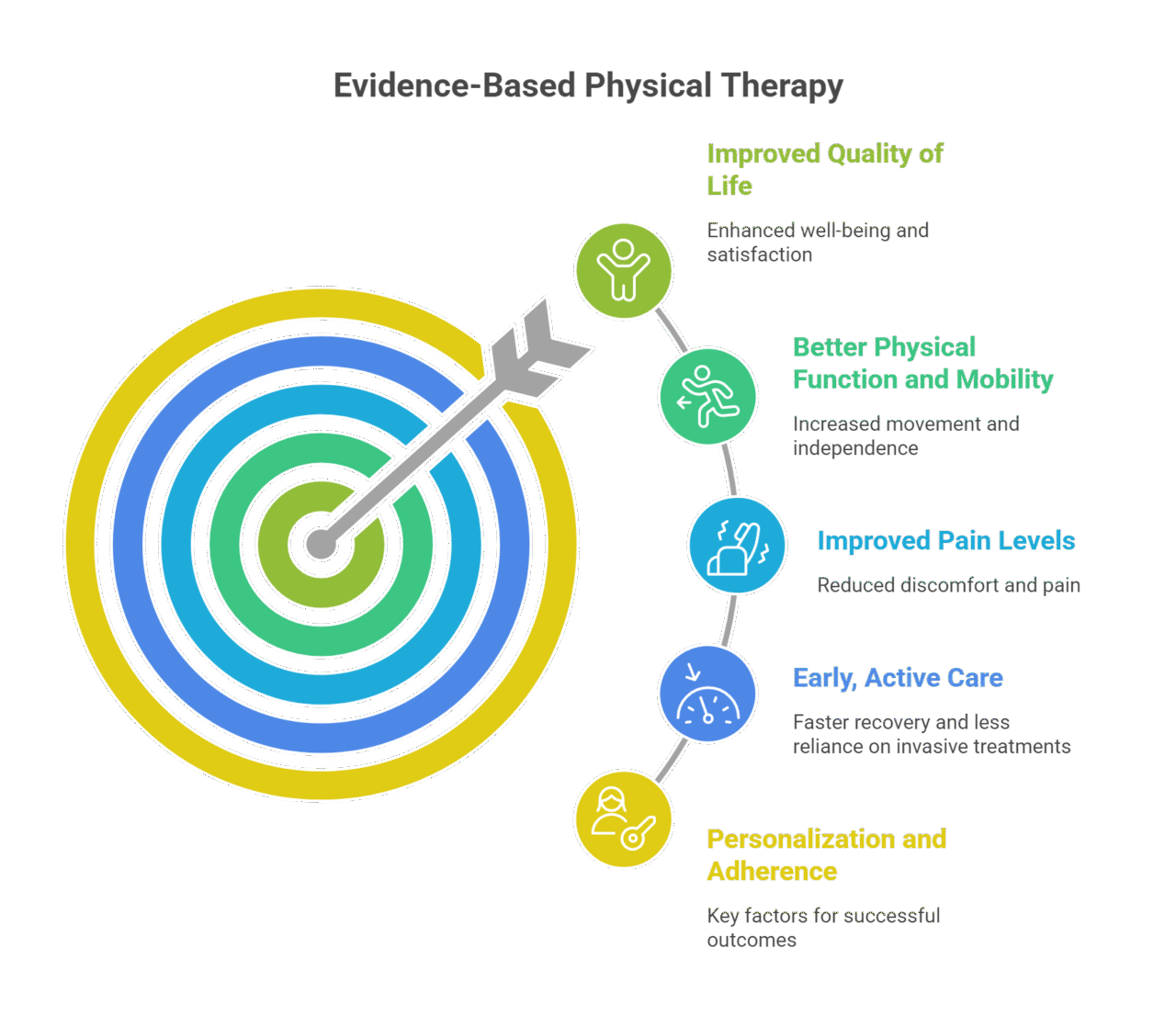
Across studies, physical therapy is associated with:
- Improved pain levels, especially for musculoskeletal issues
- Better physical function and mobility
- Higher overall quality of life
Research also shows that early, active care outperforms passive or delayed approaches. People who begin guided movement and rehabilitation sooner often recover more efficiently and are less likely to rely on invasive treatments or long-term medication.
These findings closely mirror what we see in practice at Mend Colorado. When patients receive individualized, one on one care that emphasizes active participation and clear education, outcomes tend to be more consistent and durable.
Patients often report not just reduced pain, but improved confidence in their movement and a clearer understanding of how to manage their bodies long term.
The research also reinforces two factors that strongly influence success:
- Personalization, care that adapts to the individual rather than following a rigid protocol
- Adherence, patients understanding the plan and staying engaged in the process
For a detailed look at the process from evaluation through recovery, check outhow physical therapy works.
Why Physical Therapy Has to Be Different for Active Boulder Patients
Boulder’s active lifestyle places higher demands on the body. Many people here are not just trying to feel better during daily tasks. They want to hike, run, ski, cycle, and stay active without setbacks.
Standard rehabilitation often restores basic function but falls short under higher demands. A joint that feels fine day to day may still struggle with:
- endurance
- impact
- uneven terrain
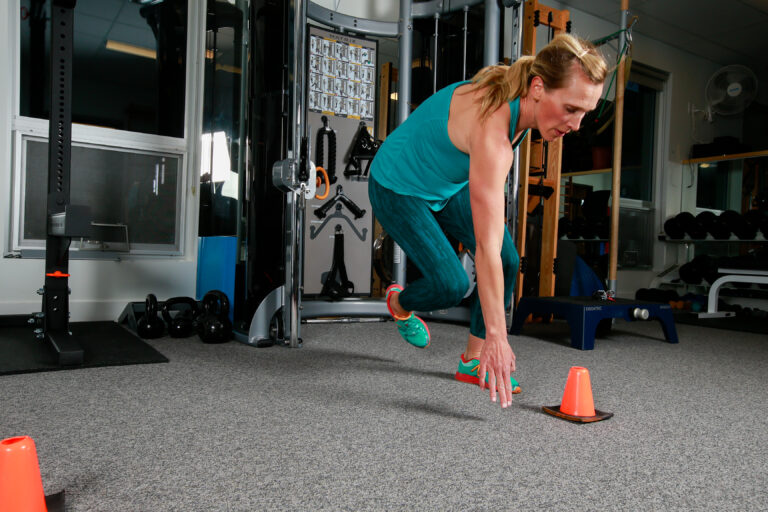
For active Boulder patients, physical therapy must prepare the body for real-world demands. Staying active during recovery, with guidance, helps build capacity and confidence while reducing fear of re-injury.
Success is not just pain relief. It is returning to activity without compensations or repeated flare-ups, which is why personalization is essential for this population.
If you’re looking for expert, personalized care in Boulder, learn more aboutphysical therapy at our Boulder clinic and what to expect from treatment designed around your goals.
How to Tell If Physical Therapy Is Working
Progress in physical therapy is not always measured by pain alone, especially early on. In many cases, meaningful improvements show up in other ways first.
Signs that physical therapy is working often include:
- Improved function, such as moving more easily or returning to activities with less limitation, even if some pain remains.
- Increased capacity and tolerance, meaning you can do more before symptoms appear.
- Faster recovery from flare-ups, with setbacks resolving more quickly and predictably.
- Clear progression toward goals, with milestones that make sense for your situation.
- Better understanding of your symptoms, including what helps, what aggravates them, and how to respond.
To learn more about the clinicians who guide this process, meet our physical therapy team and see how their experience shapes care from the first visit.
Is Physical Therapy the Right First Step for You?
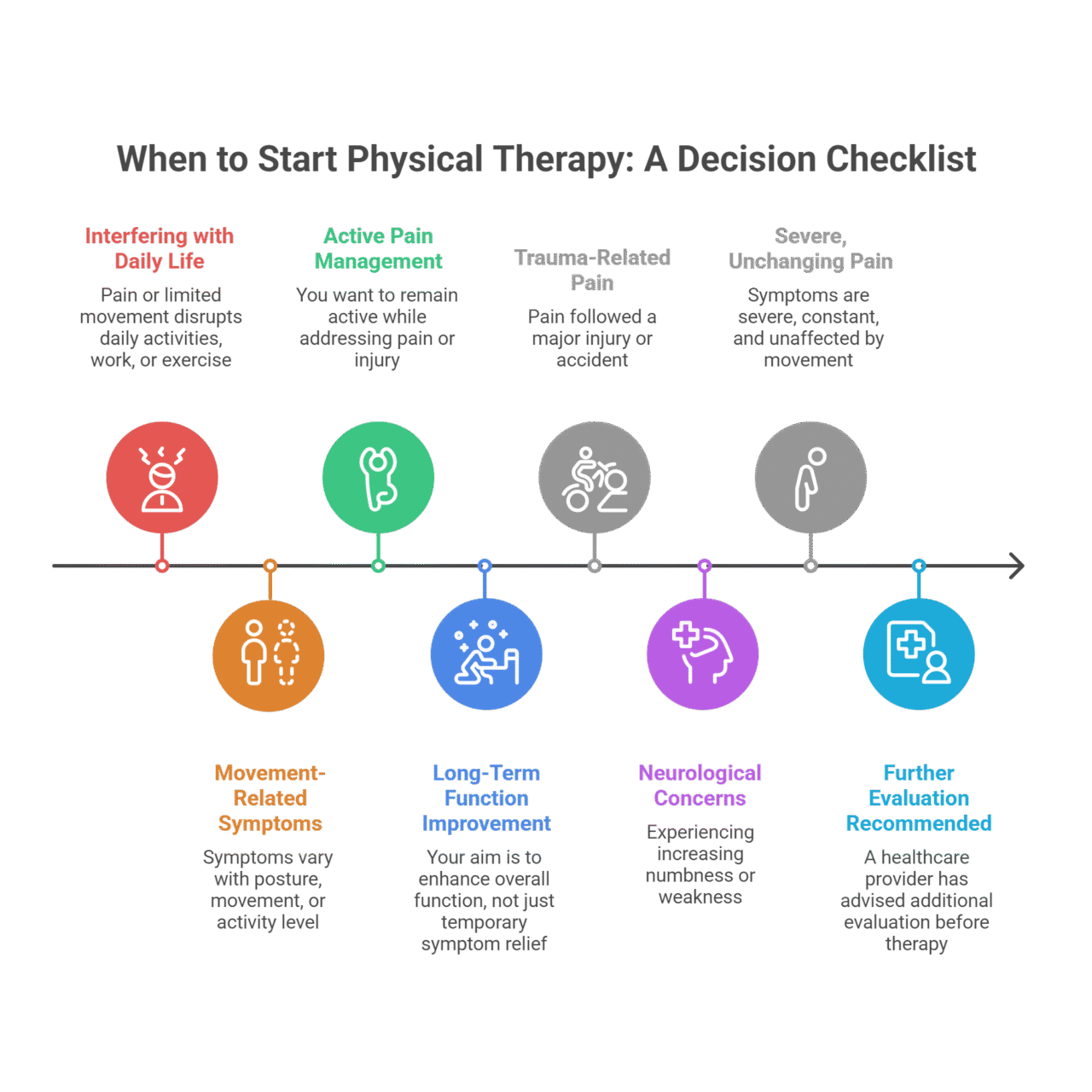
Physical therapy is often a good place to start, but it is not always the right first step. Use the checklist below to help guide your decision.
Physical therapy is often appropriate if:
- Pain or movement limitations are interfering with daily activities, work, or exercise.
- Symptoms change with movement, posture, or activity level.
- You want to stay active while addressing pain or injury.
- Your goal is to improve function, not just temporarily reduce symptoms.
You may need other care first if:
- Pain followed a significant trauma or accident.
- You are experiencing progressive neurological symptoms, such as increasing numbness or weakness.
- Symptoms are severe, constant, or not influenced by movement at all.
- A medical provider has advised further evaluation before starting therapy.
Why honest conversations matter:
- Clear guidance helps you avoid unnecessary or ineffective care.
- Transparency builds confidence in the plan moving forward.
- Knowing the right next step supports better long-term outcomes.
If you are unsure where to start, a conversation with a qualified physical therapist can help clarify whether physical therapy is the right first step for you.

How to Choose the Right Physical Therapist in Boulder
Choosing a physical therapist can make a meaningful difference in your outcome, especially in an active community like Boulder. The goal is not just to find care, but to find care that fits your needs and expectations.
When comparing options, consider the following:
- One on one care matters, as it allows for deeper assessment, clearer progression, and better communication.
- Ask about time per visit and who will be treating you, so you understand how much direct attention you will receive.
- Look for experience working with active individuals, including runners, cyclists, skiers, and people who want to stay active during recovery.
- Prioritize education and communication, so you leave each visit understanding what you are doing and why.
The right physical therapist should feel like a partner in your recovery, someone who listens, explains, and adapts care to help you move forward with confidence.
Physical Therapy Is About More Than Recovery
The right kind of care is not just about addressing pain in the moment. It is about building strength, confidence, and capacity so your body can handle the activities and demands you care about over time.
When care is done well, the benefit goes beyond symptom relief. You gain a better understanding of how your body works, more trust in your movement, and a foundation that supports staying active rather than cycling through setbacks.
If you are ready to explore whether this approach is the right fit for you, you can start by connecting with our experts and having a conversation about your goals and next steps.