
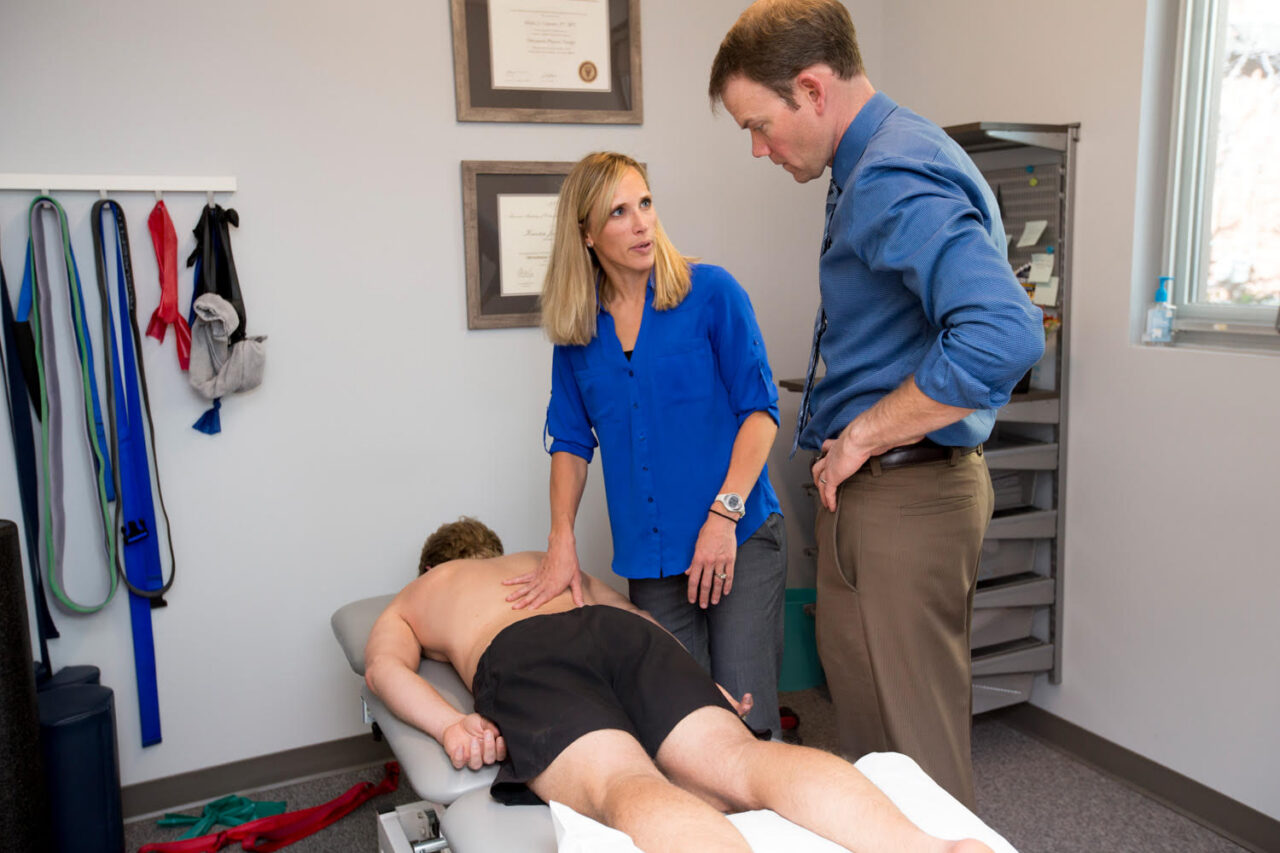
Direct access physical therapy in Colorado allows patients to see a licensed physical therapist without first getting a doctor’s referral. This means many people can begin physical therapy right away, rather than waiting for a physician visit before scheduling care.
If you’ve ever delayed physical therapy because you thought a referral was required, you’re not alone. It’s one of the most common misconceptions we hear from patients in Boulder and across Colorado.
Colorado is a direct access physical therapy state, which means many people can start care sooner. For patients in Boulder, this often translates to faster answers, fewer delays, and a clearer path forward when pain or movement limitations begin to interfere with daily life or activity.
Still, direct access can feel confusing. Questions about legality, insurance coverage, and safety are common. This article explains how direct access physical therapy works in Colorado, when a doctor’s referral may still be required, and how patients can make informed decisions about starting physical therapy.
What Direct Access Physical Therapy Means in Colorado
Direct access physical therapy means Colorado law allows patients to see a licensed physical therapist without first seeing a physician. The intent of this law is to reduce unnecessary barriers to care and allow people to begin treatment with a provider who specializes in movement, function, and musculoskeletal health.
This does not mean physical therapists replace physicians or work outside of a broader healthcare system. Doctors of Physical Therapy are trained to evaluate movement-related conditions, identify the source of pain or dysfunction, and determine whether physical therapy is appropriate as a first step. Just as importantly, they are trained to recognize when a condition falls outside their scope and requires referral to another medical provider.
In practice, direct access allows patients to seek help sooner. Rather than waiting weeks for an appointment simply to obtain a referral, individuals can be evaluated by a movement specialist right away. For many people, especially those dealing with back pain, joint pain, or overuse injuries, early intervention can prevent symptoms from becoming more complex or chronic.
Why Colorado Allows Direct Access Physical Therapy
Direct access laws are grounded in evidence. Research consistently shows that physical therapy is a safe and effective first point of care for many musculoskeletal conditions. Also saving patients on average $1500 per plan of care when using direct access for their care. Delaying treatment often leads to prolonged pain, compensatory movement patterns, and longer recovery timelines.
Colorado’s direct access law reflects a broader shift toward patient-centered care. Instead of forcing patients through unnecessary steps, the law allows them to begin appropriate care sooner, often reducing the need for imaging, medication, or invasive interventions.
For active communities like Boulder, where people value movement, independence, and long-term health, this approach aligns with how people want to engage with healthcare.

How Direct Access Physical Therapy Works for Patients
When a patient schedules physical therapy through direct access, the process begins with a comprehensive evaluation. This is not a brief screening or a generic intake. It is a detailed clinical assessment designed to ensure safety and determine the most appropriate next steps.
During the first visit, a Doctor of Physical Therapy reviews medical history, listens carefully to the patient’s concerns, and performs a thorough physical and movement examination. The goal is to understand not just where symptoms are present, but why they are occurring.
The physical therapist is also actively screening for red flags. These include signs that suggest a condition may require imaging, medication, or evaluation by another medical provider. If any of these are identified, the patient is referred promptly.
If physical therapy is appropriate, care begins with a clear, individualized plan focused on restoring movement, reducing pain, and building long-term resilience. Direct access relies on clinical judgment, not assumptions.
How to Book Physical Therapy in Boulder Without a Doctor’s Referral
For patients in Boulder, booking physical therapy without a referral is often more straightforward than expected. In most cases, it involves contacting a clinic directly, scheduling an initial evaluation, and completing standard intake paperwork.
Patients do not need imaging, a formal diagnosis, or prior treatment notes to begin. The evaluation itself is designed to establish what is happening, what factors may be contributing, and what approach makes the most sense moving forward.
In a community where people want to stay active and engaged, direct access allows care to begin without unnecessary delays or disruptions to daily life.
When a Doctor’s Referral Is Still Required for Physical Therapy
While direct access applies in many situations, it is not universal. There are times when a doctor’s referral is still required or strongly recommended.
Insurance requirements are one factor. Certain plans, including some Medicare policies, may require a physician referral for continued coverage. These requirements are administrative rather than clinical, but they still play an important role in care planning.

The Benefits of Direct Access Physical Therapy
For many patients, direct access changes the entire experience of seeking care. Instead of waiting, wondering, or worsening symptoms, they receive timely evaluation and education.
Earlier access often means earlier relief and more efficient recovery. Addressing movement issues before they escalate can reduce the risk of chronic pain and repeated injury.
Direct access also emphasizes education. Patients gain a clearer understanding of their body, their symptoms, and the steps required to move forward confidently. For individuals who value staying active, this clarity is often just as important as symptom relief.
Common Myths About Seeing a Physical Therapist Without a Doctor
One common misconception is that physical therapists are not qualified to assess injuries independently. In reality, Doctors of Physical Therapy are trained extensively in evaluation, differential diagnosis, and clinical screening.
Another myth is that direct access leads to lower-quality care. Evidence suggests the opposite. Early physical therapy is associated with better outcomes, lower healthcare costs, and reduced reliance on imaging and medication.
Insurance confusion is also common. While some plans require referrals, many do not. Coverage policies vary, but they do not reflect the safety or effectiveness of physical therapy itself.
Is Direct Access Physical Therapy Right for You?
Direct access is often a good fit for people dealing with pain, stiffness, or movement limitations who want timely answers and expert guidance. It is especially helpful for individuals who value education, prevention, and long-term outcomes rather than short-term fixes.
That said, not every condition should start with physical therapy. Situations requiring medical management, imaging, or specialist care should be addressed appropriately. A thoughtful evaluation helps determine the right path forward.
Frequently Asked Questions About Direct Access in Colorado
Is direct access physical therapy allowed in Colorado?
Yes. Colorado law allows patients to see a licensed physical therapist without a doctor’s referral, as long as the condition falls within the physical therapist’s scope of practice.
Is direct access physical therapy safe?
Yes. Physical therapists are trained to evaluate musculoskeletal conditions and screen for medical red flags that require referral to a physician or specialist.
Can I use insurance for physical therapy without a referral in Colorado?
It depends on your insurance plan. While Colorado law allows direct access, some insurance policies still require a referral for coverage.
What happens if my physical therapist thinks I need a physician?
If a physical therapist identifies symptoms outside their scope of care, they will refer you to the appropriate medical provider to ensure safe and effective treatment.
How long can I see a physical therapist without a referral in Colorado?
The length of care without a referral depends on state guidelines and insurance requirements, which vary by plan.
Taking the First Step Toward Physical Therapy in Boulder
Direct access gives patients more control, clarity, and confidence when starting physical therapy. It removes unnecessary barriers and allows people to seek expert guidance sooner, rather than waiting until symptoms worsen.
At Mend Colorado, we believe physical therapy should be personal, thoughtful, and grounded in clinical expertise. Every session is one-on-one with a Doctor of Physical Therapy who takes the time to understand your body, your goals, and what it will take to move forward.
Sometimes the most important step is simply starting. Direct access makes that step easier.