Blog

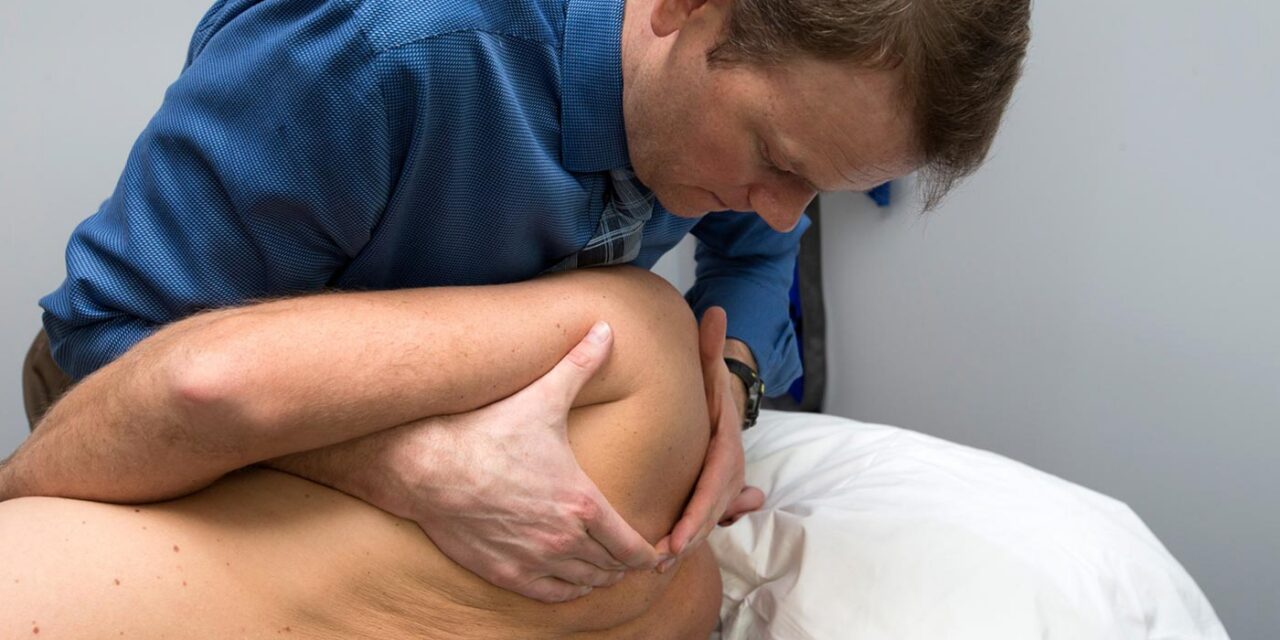
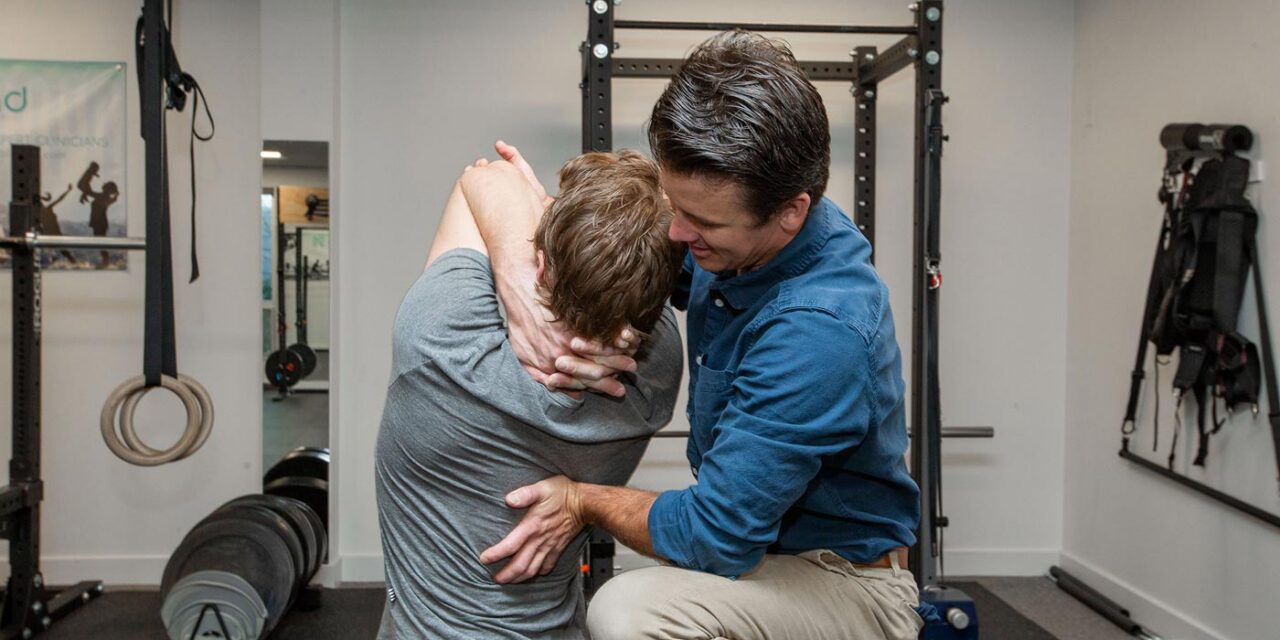
Thoracic manipulation by Physical Therapists has previously been shown to improve pain and function in patients with elbow, shoulder, and neck pain. Authors continue to research the mechanisms behind its’ effectiveness including a beneficial cascade of events in the peripheral and central nervous system, as well as, a possible biomechanical change in the spinal joints....

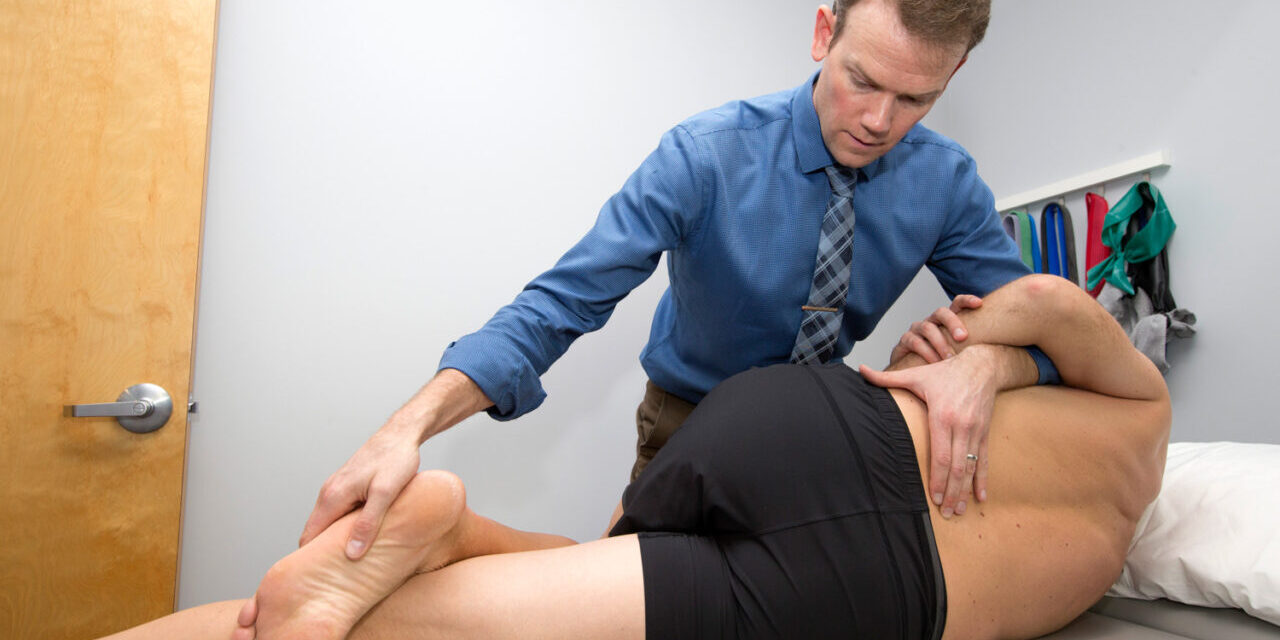
The Journal of the American Medical Association recently reviewed the evidence on the utilization of spinal manipulation for patients with acute back pain.  Authors reported moderate evidence to support its’ use to both decrease pain and improve function.  The majority of research on spinal manipulation is currently being performed by Physical Therapists to determine best...

Is Spinal Manipulation Effective for Sciatica?

Sciatica is an umbrella term for leg symptoms, pain, numbness, or tingling, caused by irritation or compression of a nerve root as it exits the spine. Most cases resolve with conservative care, and in our Boulder and Lafayette clinics, that usually means a combination of focused exercise, dry needling, and manual therapy. Spinal manipulation is...

Does Spinal Manipulation Need to Be Specific?

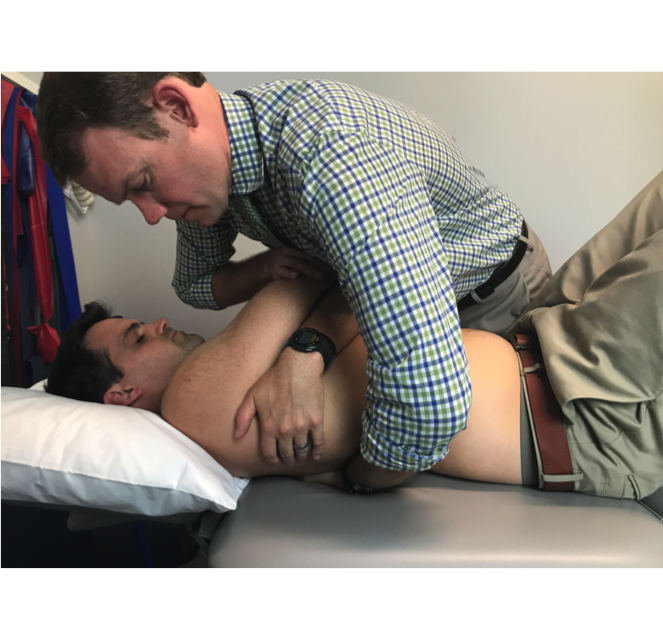
If your physical therapist tells you a segment in your low back or neck is stiff, it is fair to ask whether the manipulation has to land on that exact segment. Clinicians were long taught to find the restricted joint and aim straight at it. Two systematic reviews and one randomized trial have since tested...

Spinal Manipulation for Non-Musculoskeletal Conditions

Spinal manipulation has a solid evidence base for musculoskeletal pain: our articles on manipulation for low back pain and the best treatments for low back pain cover that research directly. The evidence looks very different once you move outside pain and mobility conditions and into the theory that manipulating the spine can influence internal organs...

Why Does My Neck Pain Improve After Spinal Manipulation?

Spinal manipulation dates back to Hippocrates and ancient Egyptian medicine, but the explanation for why it helps has changed more recently than the treatment itself. Patients often describe it the same way: “my spine was out of place, and the manipulation put it back.” Research has disproven that theory. Imaging taken before and after a...

Why Treating Your Upper Back Helps Shoulder Pain

By Jeff Ryg, PT, DPT, OCS, FAAOMPT If you came in for shoulder pain and your physical therapist started working on your upper back, there’s a reason. The thoracic spine takes part in every overhead movement you make, and thoracic manipulation is one of the quickest ways to reduce shoulder pain in the first few...

How Physical Therapy Treats Shoulder Impingement

If your shoulder pinches when you press overhead, reach for a high hold, or roll onto it at night, there’s a good chance someone has called it impingement. It’s the most common diagnosis behind shoulder pain, and it is also one of the most treatable without surgery. The research points to a consistent plan: specific...