
Blog

The Association Between Urinary Incontinence And Future Hip Or Knee Replacement

A recent article published in February 2024 explores the correlation between urinary incontinence and the need for total hip and knee arthroplasty surgeries. The study, conducted by Jacob S. Budin and colleagues, investigates whether urinary incontinence acts as an independent risk factor for these surgeries. The researchers analyzed data from patients who underwent arthroplasty procedures...

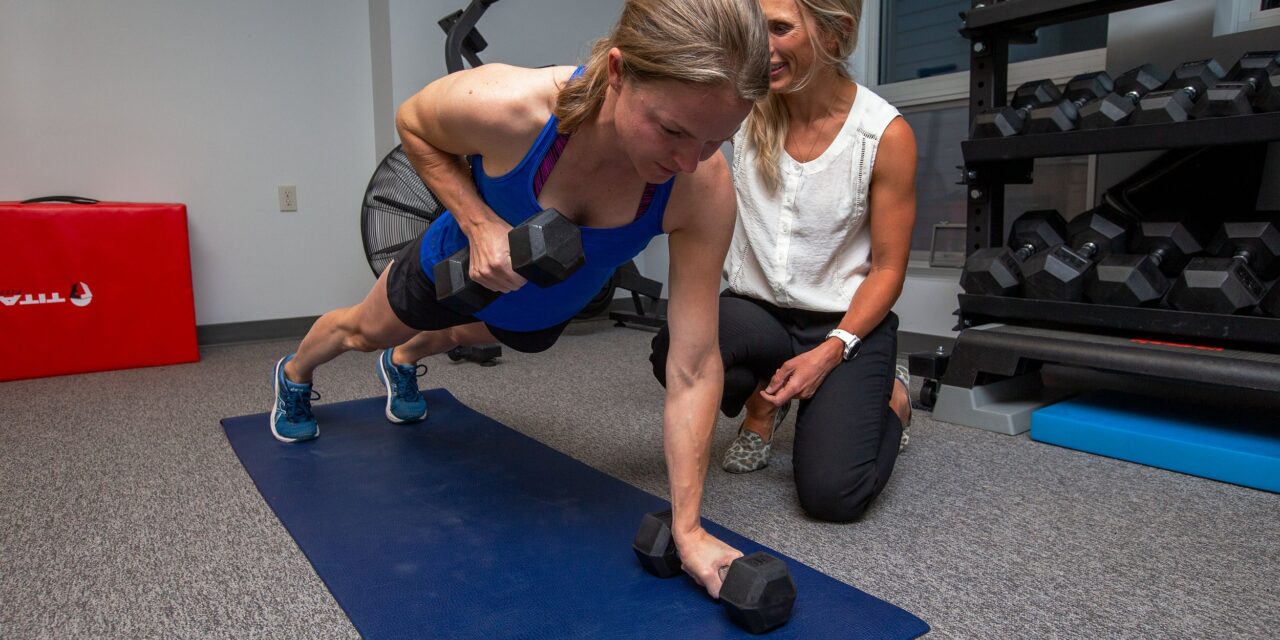
Exercise and Prolapse: The Complete Guide

Pelvic organ prolapse (POP) is the descent or tissue laxity of the front (bladder), back (rectum), or top (cervical) aspect of the vaginal wall. With less support from connective tissue and muscles of the pelvis, the bladder, uterus, or rectum can press on the vaginal wall contributing to increased pelvic pressure or bulge sensation. The...

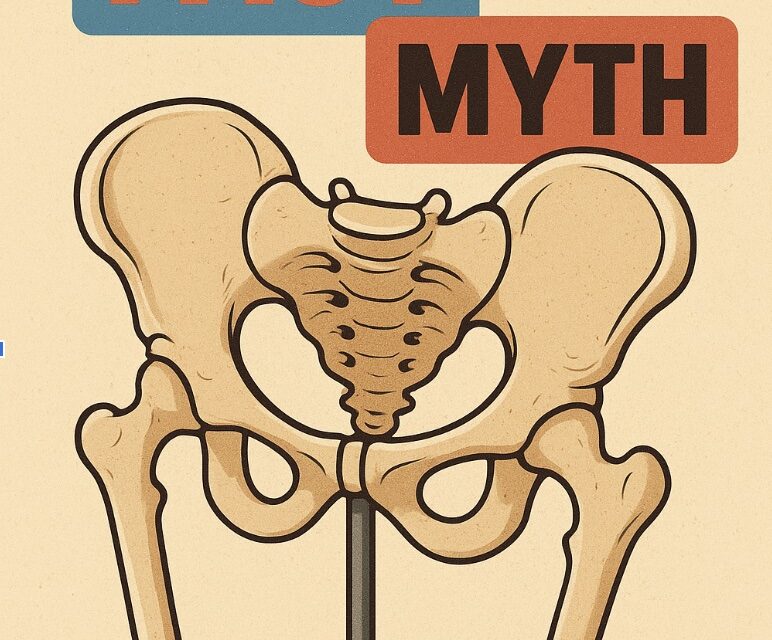
5 Common Pelvic Floor Myths — Debunked

By: Chelsey Vasquez, PT, DPT, PRPC When it comes to pelvic health, misinformation is everywhere. Whether it’s a social media post encouraging everyone to do Kegels or outdated advice to just “deal with” pelvic pain, these myths can prevent people from seeking the care they need. Pelvic floor dysfunction can affect people of all genders,...

Why Men Need Pelvic Floor Physical Therapy Too!

Yes men, you do have a pelvic floor. In fact, aside from different genitalia, all genders have the same pelvic floor muscle and nerve make up. Even in the absence of delivering babies, the male pelvic floor and surrounding area can be susceptible to dysfunction. The following diagnoses/presentations/symptoms can all be indicative of a pelvic...

Irritable Bowel Syndrome (IBS) is a condition that is thought to be prevalent in up to 9-23% of the world’s population. It is associated with diarrhea, constipation or both, abdominal pain and bloating, possible urinary symptoms and pelvic pain. Common comorbidities including sleep difficulties, chronic pain, chronic fatigue syndrome, and TMJ dysfunction can have a...