If you’ve just given birth and noticed vaginal bleeding or discharge that doesn’t quite look like a regular period, you’re likely experiencing lochia. It’s completely normal, and understanding what each stage looks like — and how your body responds to physical activity during recovery — is one of the most practical things you can know in the postpartum period.
What Is Lochia?
Lochia is the vaginal discharge that occurs after childbirth, whether vaginal or cesarean. It’s made up of blood, mucus, and sloughed uterine lining, and its job is to help the uterus heal after the placenta separates. Most new mothers are surprised by how different it looks and behaves compared to a menstrual period.
Think of it as a wound healing response. The inner wall of your uterus is essentially a large healing surface, and lochia typically continues for four to six weeks after delivery as that surface repairs itself.
The Three Stages of Lochia
Lochia Rubra (Days 1–5)
The first stage is bright red and heavy — similar to the first day of a heavy period, sometimes heavier. It lasts roughly three to five days and may include small clots and a mild, fleshy odor, both of which are normal. What’s not normal: soaking through a pad in under an hour, passing clots larger than a golf ball, or heavy bleeding that comes with dizziness or rapid heart rate. If any of those occur, contact your provider immediately.
Lochia Serosa (Days 4–10)
As the uterus continues healing, the discharge lightens and shifts to pink, brownish-pink, or watery brown. This stage contains more white blood cells and tissue debris than blood. It’s common during this phase to notice that even light physical activity increases flow. That response is useful information, not a reason to panic — but it’s worth paying attention to.
Lochia Alba (Day 10 Through 6 Weeks)
The final stage is the longest and the lightest. Lochia alba is white, cream, or yellowish, with very light flow or spotting that may continue for up to six weeks postpartum. Some women notice it is mildly itchy, which is a normal part of the healing process. A foul odor at any stage is not normal and warrants a call to your provider, as it can indicate infection.
How Long Does Lochia Last?
Four to six weeks is the typical range, though this varies. Breastfeeding can temporarily increase flow because the oxytocin released during nursing triggers uterine contractions — those contractions are part of how the uterus returns to its pre-pregnancy size. Physical activity, particularly anything higher-intensity, can do the same thing. Both of these are normal, within limits.
When to call your provider: if lochia returns to bright red after you’ve moved into the serosa or alba phase, if it hasn’t resolved by eight weeks, or if you develop fever, chills, or foul-smelling discharge.
Lochia After a C-Section
Yes, lochia occurs after cesarean delivery too. The stages are the same, though early-stage flow is often lighter because some uterine contents are cleared during the procedure. The important distinction: the recovery timeline for returning to exercise after a cesarean is generally longer given the abdominal incision. Lochia remains one useful signal among several, but it’s not the only one guiding your return.
Using Lochia to Guide Your Return to Exercise
One of the most underused tools for gauging postpartum exercise readiness is paying attention to how your body responds to activity through changes in lochia. It’s real-time feedback from a system that is still actively healing.
The 24-Hour Rule
After any physical activity, assess your lochia over the next 24 hours. If flow increases significantly in volume, returns to bright red, or you begin passing clots after exercise, your body is telling you the activity was too much. Rest for 24 to 48 hours before trying again, and reduce intensity when you do.
What Typically Triggers Increased Lochia
In the early postpartum period, the threshold for “too much” is lower than most active women expect. Common triggers include:
- Extended time on your feet, including prolonged standing or walking
- Returning to higher-intensity workouts before your body has built back adequate load tolerance
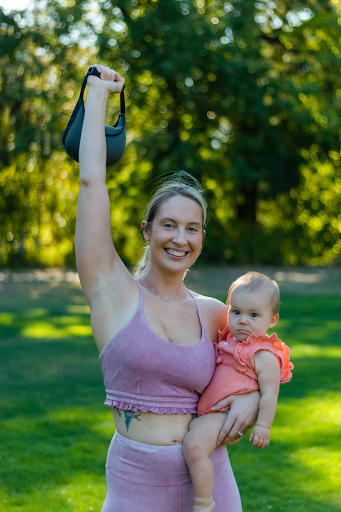
- Carrying heavy objects, including older children
- Stairs, especially repeated trips
This doesn’t mean bed rest. Gentle walking and pelvic floor work are appropriate from early in recovery. But lochia is giving you real feedback, and ignoring it increases your risk of a prolonged recovery.
What Exercise Is Safe in the Postpartum Period?
Weeks 0–6: Foundation Work
Focus on restoring the basics that pregnancy and delivery disrupted:
- Pelvic floor coordination exercises, which includes both contraction and full relaxation — many postpartum women are holding tension without realizing it
- Diaphragmatic breathing and deep core activation
- Gentle walking, progressively increasing duration as tolerated
- Postural awareness exercises to address the common forward-head and rounded-shoulder patterns that develop from feeding and carrying
Use lochia as your guide throughout this phase.
6–12 Weeks: Progressive Loading (with clearance)
Once lochia has resolved and you have provider clearance, you can begin reintroducing strength work:
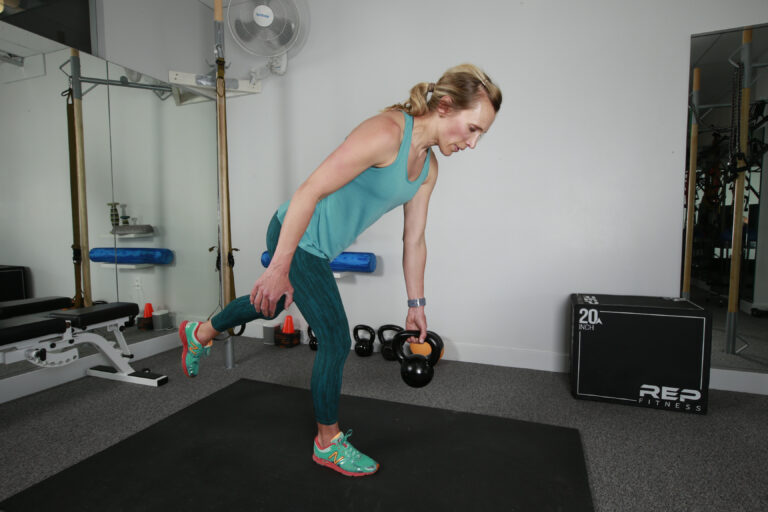
- Body weight lower body exercises: squats, hinges, bridges
- Upper body pulling and pressing movements
- Low-impact cardio
- Progressive core loading, starting from the inside out
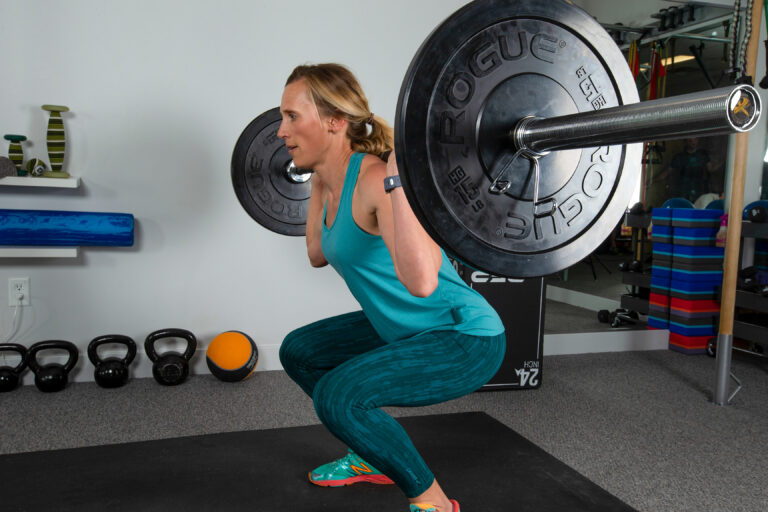
High-impact activities — running, jumping, heavy barbell work — are generally not appropriate before 12 weeks, and not until pelvic floor function has been assessed.
When Can I Return to Running or High-Impact Exercise?
The 2019 guidelines from Groom, Donnelly, and Brockwell recommend waiting until at least 12 weeks postpartum before returning to high-impact activity, and that timeline assumes no complications, no pelvic floor symptoms (leaking, heaviness, pain with activity), and a progressive return to load-bearing exercise in the weeks leading up to it.
The standard six-week OB clearance is a minimum safety check, not a green light for full training. If you’re an athlete with goals to return to running, CrossFit, or sport, a pelvic floor assessment is the most reliable way to determine actual readiness.
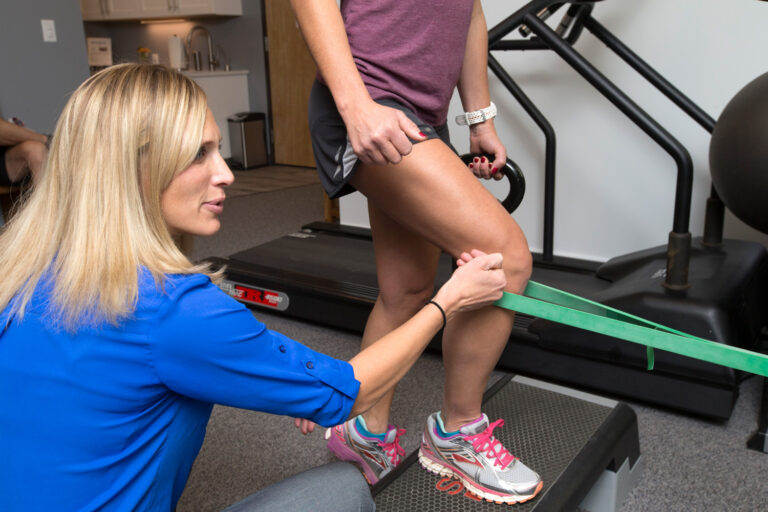
If you’re still noticing increased bleeding with activity at eight weeks postpartum, or you’re unsure whether you’re ready to progress your training, a pelvic floor assessment is the right next step. Our pelvic health PTs in Boulder and Lafayette work with postpartum women from early recovery through return to sport. Book your assessment.