Blog

Cycling is one of the most popular outdoor activities in Boulder.  Cyclists we encounter in our Boulder Physical Therapy practice most commonly complain of pain on the front of their knee or anterior knee pain.  Research shows 1 in 2 competitive cyclists have experienced this knee pain resulting in lost training and competitions in over...

Physical Therapy 101 requires the utilization of an assistive device (crutches, cane) for any patient who cannot walk without a noticeable limp or deviation in their gait. These interventions are designed to improve a patient’s pain, safety, energy expenditure, and most importantly participation in the activities they enjoy. In our Boulder orthopedic and sports medicine...

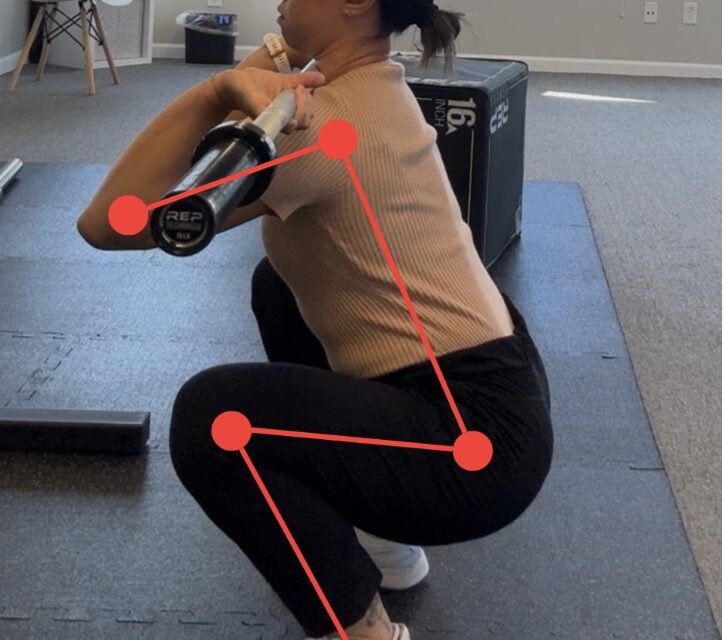
Why Does My Chest Drop When I Front Squat?

By: Erica Tran, PT, DPT, OCS Ever feel your chest collapsing forward in the bottom of a front squat? I put together a quick self-exam so you can test your ankles, hips, thoracic spine, wrists, elbows, and shoulders to find what’s holding you back. Even better, I’ve added simple treatment ideas for each area so...

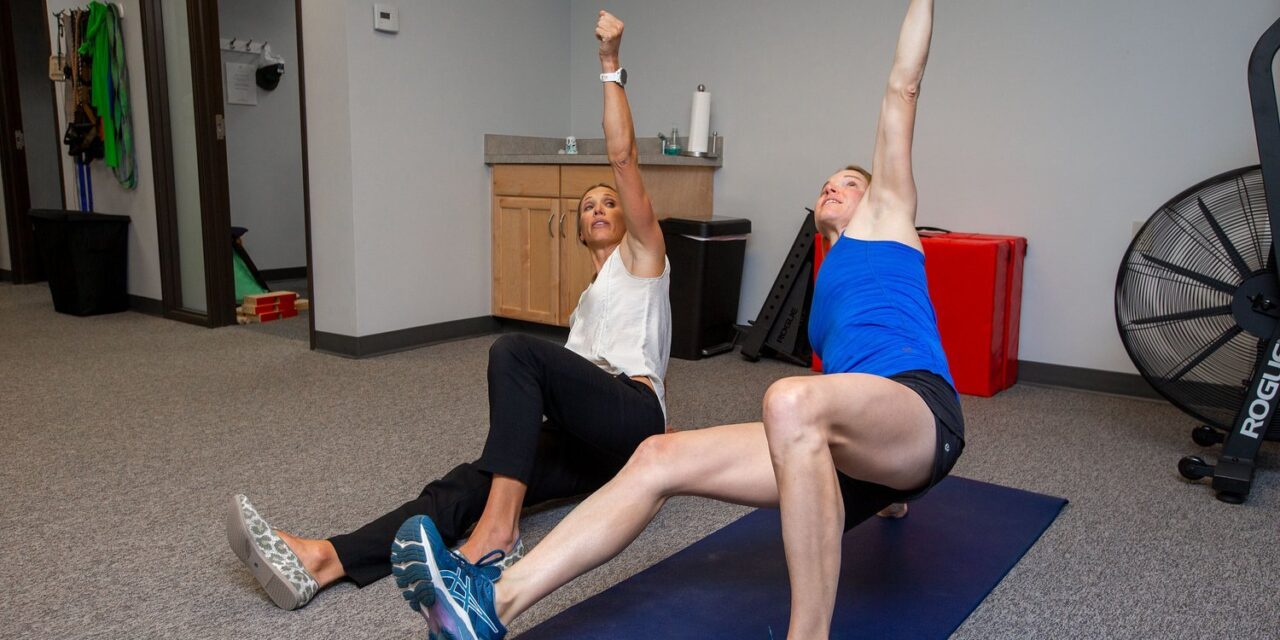
Rock Climbers: Are Your Hips Causing Your Shoulder Pain? The evidence shows a strong link between leg function and arm injury.

It may not seem obvious, but weakness in our hips can lead directly to shoulder pain while climbing. Because climbing requires the use of all extremities simultaneously, impairments in one region of the body almost always have a direct impact on the other extremities. One of the most common, but seldom recognized, patterns is the...

Lack Of Spine Mobility Increases Risk For Shoulder Injury

Overhead athletes rely on their thoracic spine’s mobility and stability to generate power and prevent injury. In our Boulder Physical Therapy and Lafayette Physical Therapy clinics we examine the spine’s biomechanics and influence on patients with shoulder pain. Ruiz et al. (2020) reviewed the biomechanics of the thoracic spine in overhead sports and highlighted the...

Why Your SI Joint Is Rarely the Real Problem

The sacroiliac (SI) joint gets blamed for a lot of pain it probably isn’t causing. It’s not that clinicians are acting in bad faith. It’s that once you’re trained to look for something, confirmation bias makes it easy to keep finding it, even when the evidence says it’s uncommon. A Joint Built Not to Move...