
Blog

Are you wondering when it will happen to you? Not what , but when will you feel pain or develop an injury? Can you determine your injury risk? The answer is YES! There are screening tools that allow athletes to assess their injury risk. The Functional Movement Screen (FMS) is a valid indicator of injury...

The majority of people with lower quarter pain or symptoms will demonstrate altered coordination and communication between the nervous system and muscles.  This leads to altered movement patterns which may perpetuate symptoms and lead to more chronic pain and muscle imbalances.  Primary movers for our movement patterns (example: gluts) may be substituted for weaker, less...

In our practice, we commonly see adolescent baseball athletes suffering from shoulder and elbow injuries.  On average 1 in 2 youth throwers will develop arm injuries and on average major league throwers lose 22 days per season due to arm injury (Conte et al. 2001).  These injuries are mainly overuse in nature secondary to muscle...

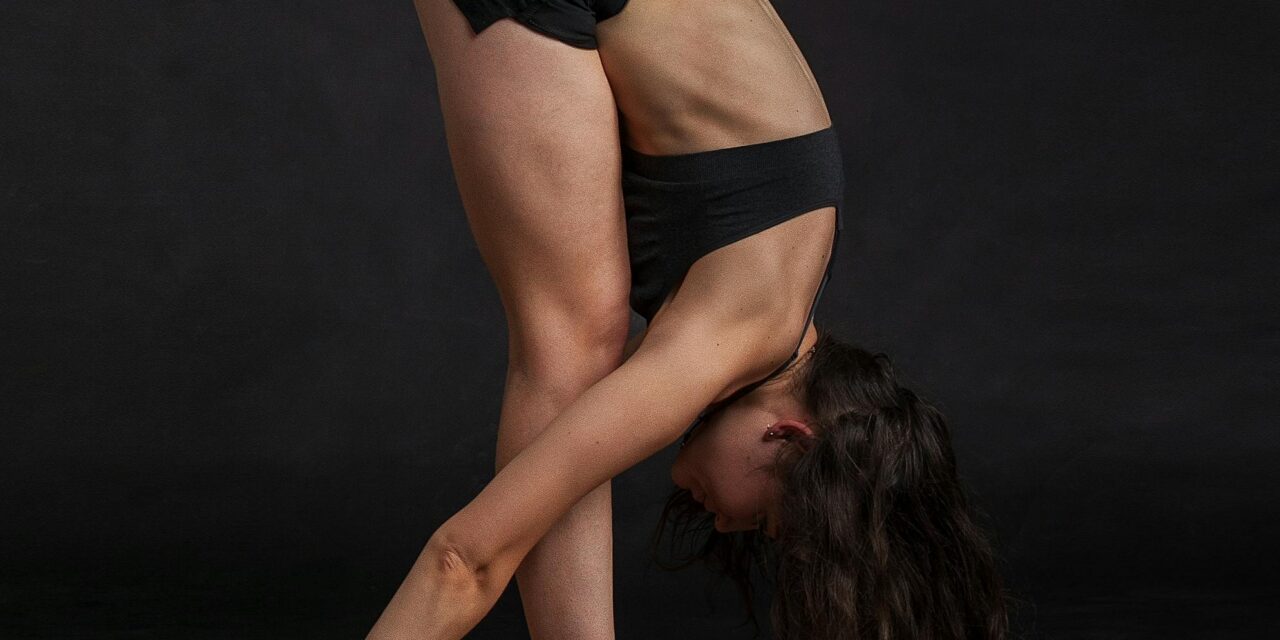
The functional movement screen was designed to screen athletes and individuals on both upper and lower body movement tasks in order to identify those at risk for future injury.  As participants move through the 7 movement tasks, Physical Therapists are able to identify areas of weakness, tightness, or decreased coordination.  Based on these results exercises...

Utilizing Mental Focus To Get The Most Out Of Your Workout

Our brains can be our best or worst training partner.  In our previous blogs we have written about how our brains stop our workouts or sets short to conserve energy.  As part of our nervous system, our brains are actively involved in building strength with exercise.  In fact, in the first 6 weeks of training...

How Much Mobility Work Should You Be Doing? Evidence-Based Insights

By: Ian Nay, PT, DPT, OCS Mobility work is often emphasized for pain relief, injury prevention, and performance, but how much is truly necessary? Recent research suggests that strength training performed through full ranges of motion may provide many of the mobility benefits people seek, with targeted mobility work serving as a valuable supplement rather...

What are the best exercises for gluteus maximus?

Whether you want to increase your back squat, shave some time off your Fran score, or take fewer breaks on your uphill skin, you will need to focus on glute strength. The gluteus maximus is the largest and most powerful muscle in the human body, and is responsible for hip extension, lateral rotation, and abduction...

We have previously written about the functional movement screen (FMS) and its’ ability to predict injury although more recent research has called its’ predictive ability into question.  The highest quality research on the FMS has occurred in NFL athletes or those training for the NFL combine.  The research demonstrates the predictive value of these tests may...