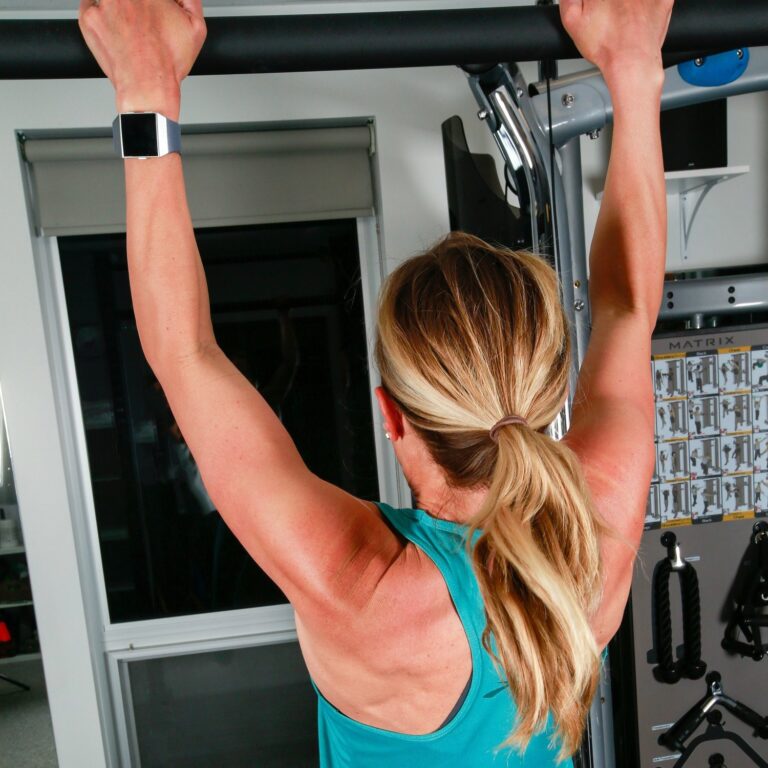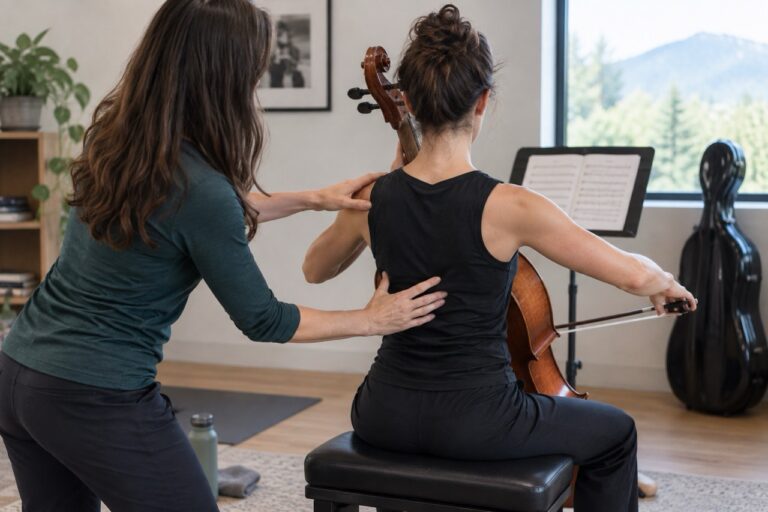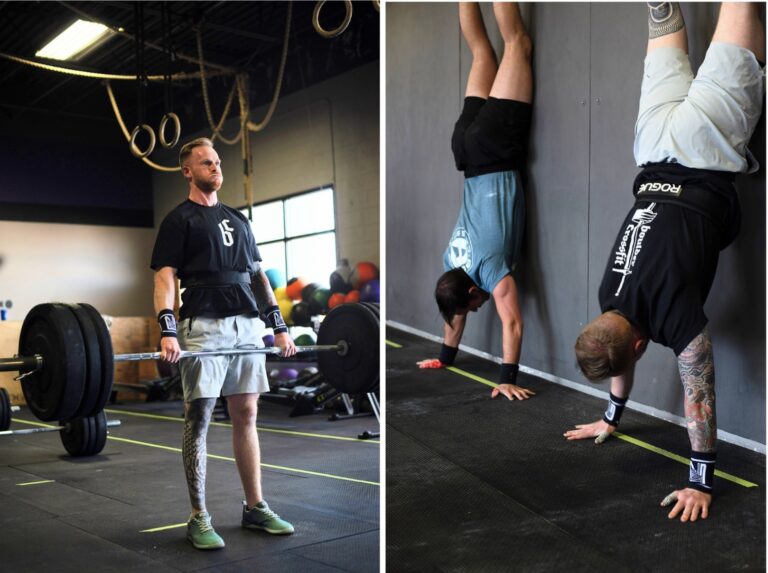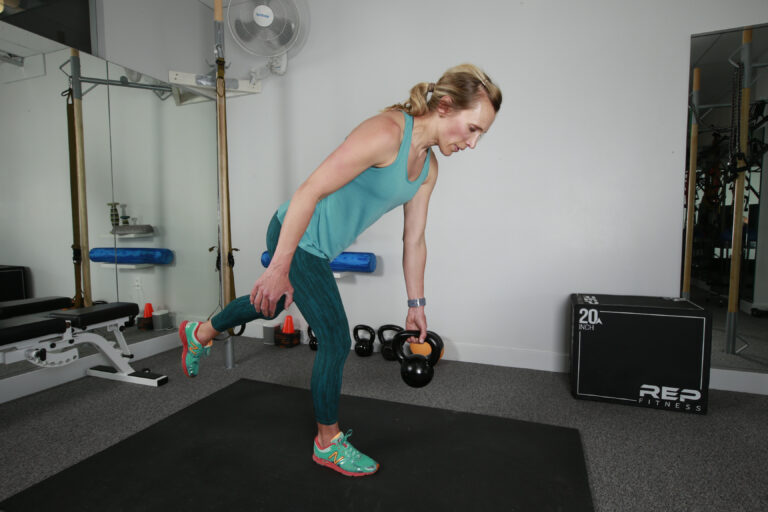

Sacroiliac (SI) joint pain is a frequently overlooked source of low back and hip pain in athletes. It’s easy to miss because it doesn’t always announce itself the way a muscle strain does — instead, it tends to show up as a dull ache in the lower back, buttock, or posterior hip that can mimic sciatica, often worse with single-leg stance, prolonged sitting, or asymmetric loading like kicking or throwing.
Why the SI Joint Is Vulnerable in Sport
The SI joints sit at the base of the spine, where the sacrum meets the pelvis, and play a central role in transferring force between the trunk and lower body. That makes them especially exposed in athletes, where repetitive loading and rotational forces are part of the job. Running, lifting, cutting, and jumping all demand tightly coordinated movement between the spine, pelvis, and hips. When mobility or stability breaks down anywhere in that chain, often from a muscle imbalance, a technique change, or a prior injury, the SI joint frequently becomes the compensatory point of stress. Over time, that shows up as localized pain, reduced power transfer, and difficulty maintaining training volume.
At Mend Colorado, our Doctors of Physical Therapy regularly evaluate athletes with persistent back pain, and SI joint involvement accounts for a meaningful share of these cases, particularly in runners, lifters, and field-sport athletes managing high training loads.
Finding the Actual Cause, Not Just the Painful Joint
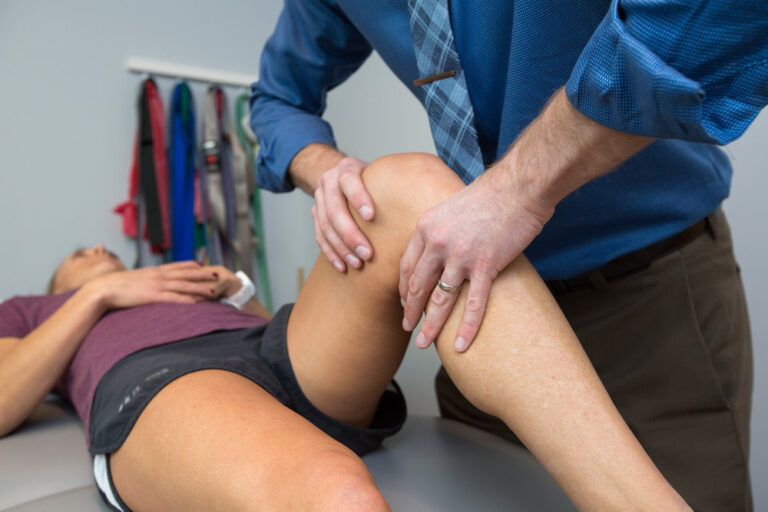
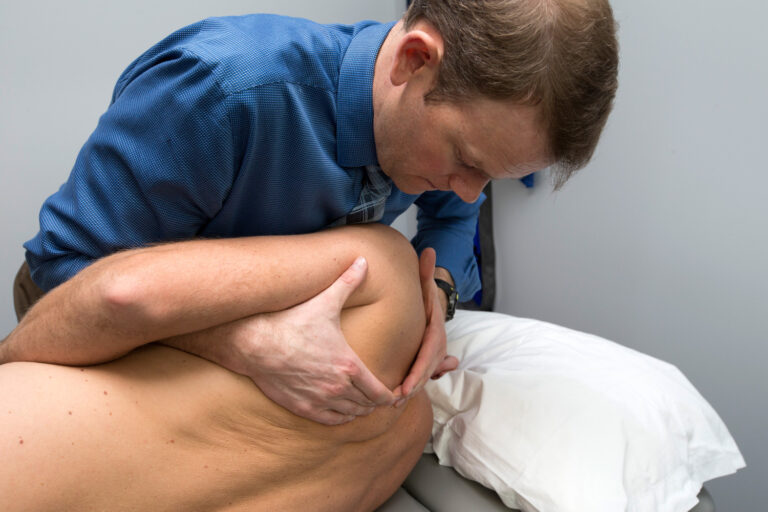
Treatment starts with identifying the root cause of symptoms rather than simply calming the joint itself. A thorough movement assessment looks at hip mobility, trunk control, and lumbopelvic stability to determine what’s actually driving the compensation pattern. Two athletes with identical SI joint symptoms can have entirely different underlying causes: one might be compensating for stiff hips, another for poor single-leg control coming out of a prior ankle or knee injury. Treatment has to match the actual driver, not just the location of the pain.
From there, treatment typically combines manual therapy, dry needling, and progressive strength training aimed at restoring efficient load transfer through the pelvis. For athletes managing a heavier training block, understanding what the research actually supports for SI joint treatment can help set realistic expectations for timeline and what to prioritize first.
Getting Back to Training
By addressing the underlying movement dysfunction instead of just the symptomatic joint, athletes can reduce pain, restore power transfer, and return to sport with a meaningfully lower risk of recurrence than if the SI joint alone had been treated in isolation.
If SI-related pain is limiting your training volume or showing up during running, lifting, or cutting, a movement-based evaluation is the right next step. Book an SI joint evaluation at Mend’s Boulder or Lafayette clinic.
Browse more of our sacroiliac joint pain coverage, or see the full Orthopedic Care library.