By: Maggie Gebhardt, PT, DPT, OCS, FAAOMPT
For runners in Boulder and Lafayette, efficiency is key. One overlooked factor in running performance is 1st toe extension.
What is the Windlass Mechanism in Running?
The Windlass Mechanism involves the big toe lifting (extending), which tightens the plantar fascia and arch. This action helps the foot become a stable lever for a powerful “toe-off.” A runner needs approximately 50 to 70 degrees of big toe extension.
Why is Big Toe Mobility Important for Runners?
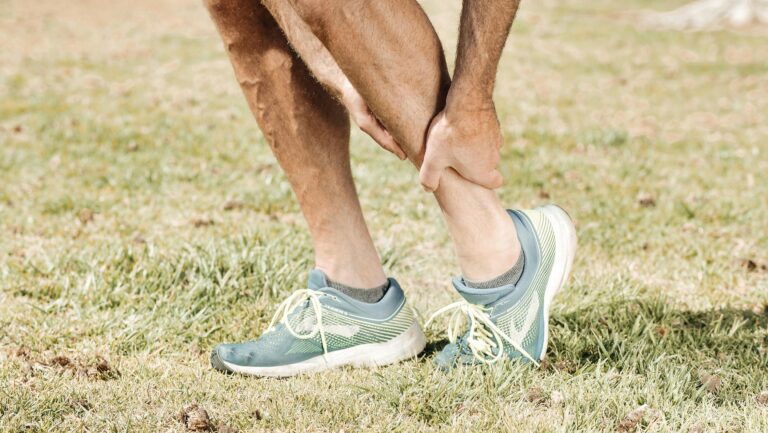
Lack of proper big toe extension can lead to “energy leaks.” The foot may collapse inward (overpronation) or roll outward. This can lead to:
- Achilles tendonitis and calf strains.
- Plantar fasciitis.
- Reduced hip extension and lower back pain.
How Does the Flexor Hallucis Longus (FHL) Affect Running?
The Flexor Hallucis Longus (FHL) controls big toe flexion. If this muscle is tight, it can block the big toe from extending during a stride. This condition is often called “functional hallux limitus.”
Can Dry Needling Improve Big Toe Extension?
Yes. According to Maggie Gebhardt, a Physical Therapist at Mend, she has seen dry needling helping physical therapists:
- Target trigger points in the FHL muscle and therefore increase the big toe’s extension.
- Release neuromuscular tension that limits the big toe’s range of motion.
- Restore the natural glide of the FHL tendon behind the ankle.
She has seen this technique greatly improving foot mechanics.
How to Optimize Your Running Form
A Running Gait Analysis at Mend Colorado is the most effective way to identify restrictions. Physical Therapists at Mend Colorado combine the results of a gait analysis with the patient’s subjective complaints and treatments like dry needling to achieve maximum results in their running population.