Pickleball has exploded in popularity over the past decade, attracting players of all ages with its fast pace, social nature, and relatively low barrier to entry. But as courts fill up, so do reports of aches and injuries, especially low back pain. If you have ever walked off the court with stiffness or soreness in your lower back, you are not alone.
This article explains why pickleball can trigger low back pain, how to prevent it, and the best exercises to keep your back strong and pain free.
Why Pickleball Can Strain Your Lower Back
Although pickleball is often considered lower impact than tennis, it still places significant demands on the body, especially the spine.
Repetitive bending and twisting
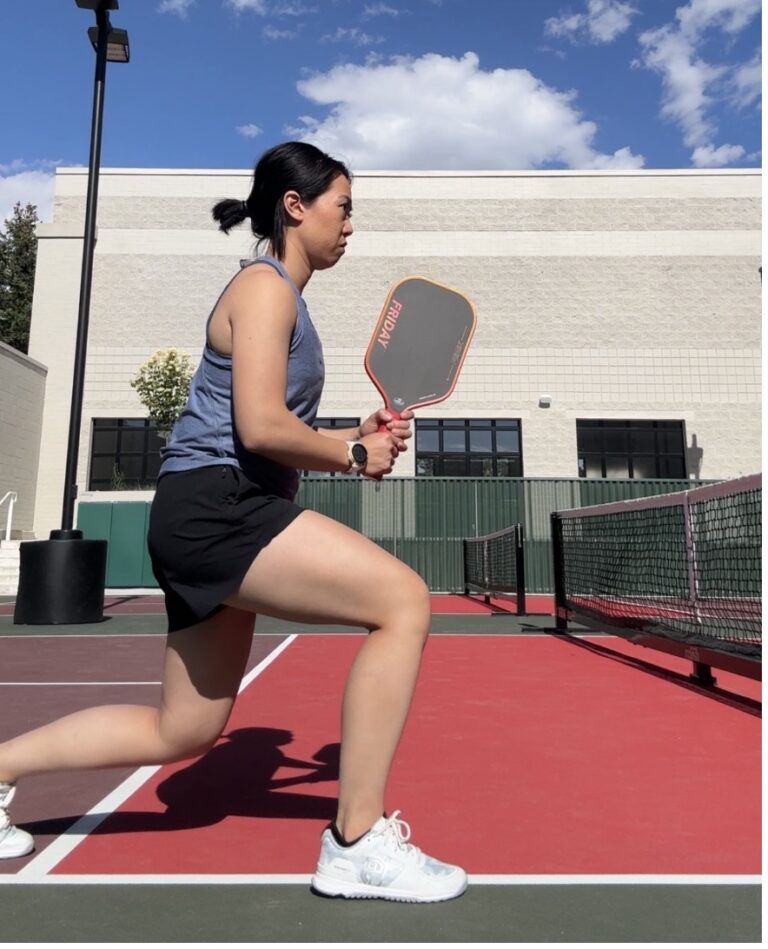
Pickleball involves constant forward bending to reach low shots and rotational movement during serves and returns. These motions repeatedly load the lumbar spine and can irritate muscles, discs, and joints over time.
Quick direction changes
Short sprints, lunges, and sudden stops require strong core stability. If the core is not engaged, the lower back compensates, which can lead to strain.
Poor technique
Common mistakes include rounding the back when reaching for shots, over rotating during serves, and using the back instead of the hips for power. These habits increase stress on the lower back.
Weak core and tight muscles
A weak core and tight hamstrings or hip flexors can pull the pelvis out of alignment and increase pressure on the lower back. This imbalance is a major contributor to ongoing back pain in recreational players.
Common Types of Low Back Pain in Pickleball Players
Low back pain can show up in different ways depending on the cause.
- Muscle strain often feels like a dull ache after playing
- Facet joint irritation causes pain with twisting or arching
- Disc related pain may feel sharp and can sometimes radiate into the legs
- Stiffness is common after long matches or the following morning
If pain travels down the leg or causes numbness, it may involve a nerve and should be checked by a professional.
How to Prevent Low Back Pain
Most pickleball related back pain can be prevented with a few simple habits.
Warm up properly
Spend five to ten minutes before playing doing light cardio and dynamic stretching such as leg swings and torso rotations. Warm muscles are less likely to be injured.
Strengthen your core
Focus on exercises that stabilize the spine. A strong core reduces stress on the lower back and improves movement efficiency on the court.
Improve mobility
Tight hips and hamstrings often force the lower back to work harder. Regular stretching of the hamstrings, hip flexors, and glutes can help maintain proper movement.
Use proper technique
Bend at the hips and knees instead of the waist. Keep your spine neutral when reaching for low shots. Rotate through the hips and torso together to generate power.
Avoid overplaying
Pickleball is fun and easy to play often, but too much without rest can lead to overuse injuries. Recovery days are important.
Top 3 Exercises to Support Your Lower Back
These three exercises build the exact kind of stability, control, and strength needed to protect your lower back during pickleball.
Copenhagen Plank
The Copenhagen plank strengthens the inner thighs and lateral core, which are critical for side to side movement on the court.
How to do it
Lie on your side with your top leg supported on a bench or chair. Lift your hips so your body forms a straight line. Hold while keeping your core tight.
Why it matters
Strong inner thighs help stabilize your pelvis and reduce strain on your lower back during lateral lunges and quick direction changes.
Tip
Start with your knee on the surface if the full version is too challenging.
Single Leg Plank
The single leg plank adds instability to a traditional plank, making your core work harder to maintain alignment.
How to do it
Hold a standard plank and lift one leg slightly off the ground. Keep your hips level and your body straight. Alternate legs.
Why it matters
Pickleball often puts you in single leg positions. This exercise trains your core to stabilize your spine when your base of support is uneven.
Tip
Avoid twisting or dropping your hips as you lift your leg.
Partial Turkish Getup
The partial Turkish getup builds coordination, control, and rotational stability through multiple planes of movement.
How to do it
Lie on your back holding a light weight overhead. Bend the same side knee and roll up onto your elbow, then your hand. Make sure to twist your body away from the side you are holding the weight. Return slowly to the ground in the reverse sequence.
Why it matters
It teaches your body to move with control while keeping your spine stable, which is essential for reaching, rotating, and recovering during play.
Tip
Move slowly and focus on control rather than speed.
What to Do If You Have Low Back Pain
For musculoskeletal injuries, it is best to be evaluated by a physical therapist early so the issue can be properly assessed and managed.
Mild pain should still be addressed with guidance from a physical therapist, along with gentle movement and targeted exercises rather than complete rest.
Moderate pain should involve reducing playing time or intensity and working with a physical therapist on mobility, strength, and movement corrections.
Severe or persistent pain should be evaluated promptly by a physical therapist and/or medical professional, especially if it lasts longer than one to two weeks or includes numbness, tingling, or weakness.
Can You Keep Playing
YES! In many cases you can continue playing with some adjustments. If pain is mild and improves as you move, you can reduce intensity and duration. If pain worsens or becomes sharp or radiates, it is best to seek medical advice from your physical therapist.
Final Thoughts
Pickleball is a great way to stay active and social, but it does place stress on the body. Low back pain is common but manageable with the right approach.
By improving your strength, mobility, and technique, especially through targeted core exercises like the Copenhagen plank, single leg plank, and partial Turkish getup, you can protect your lower back and continue playing at a high level.
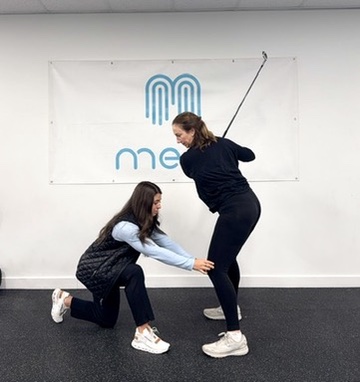
If you are dealing with low back pain or any musculoskeletal injury, the best first step is to get evaluated by a physical therapist. At Mend Physical Therapy, our team specializes in helping active individuals and pickleball players recover, move better, and stay pain free. We will identify the root cause of your pain and create a personalized plan to get you back on the court safely.