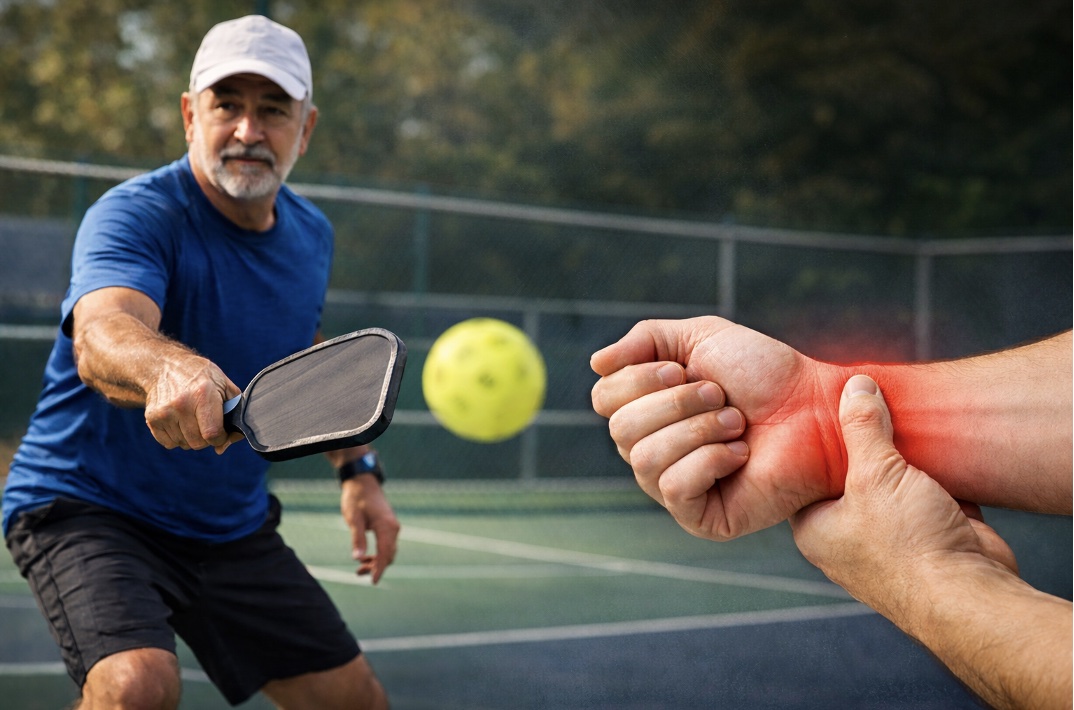
Pickleball is growing rapidly, and with that growth comes a rise in wrist pain among players. From a physical therapy perspective, this discomfort is rarely random. It is most often the result of repeated stress, inefficient mechanics, or not allowing the body enough time to recover. Over time, this can lead to common conditions such as De Quervain’s Tenosynovitis, Extensor Carpi Ulnaris Tendinitis, Triangular Fibrocartilage Complex (TFCC) Injury, and general wrist tendinopathy.
Understanding why wrist pain develops and how to address it early can be the difference between a minor setback and a lingering injury that keeps you off the court.
Why the Wrist Is Vulnerable in Pickleball
The wrist is a complex joint made up of small bones, ligaments, and tendons that work together to provide both stability and mobility. In pickleball, the wrist is heavily involved in control and quick reactions, especially during volleys and soft touch shots.
Over time, repeated loading without proper support or recovery can irritate the tendons and surrounding tissues. This often leads to conditions such as tendon irritation or early-stage tendinopathy rather than a single acute injury.
Common Movement Issues That Lead to Pain
From a rehab perspective, wrist pain is often tied to how the body moves as a whole rather than just the wrist itself. Players who rely too much on wrist flicking during shots like dinks, speed ups, volleys, backhand flicks, and topspin rolls tend to overload the joint. Limited shoulder or forearm mobility can also force the wrist to compensate. In addition, poor grip mechanics or excessive tension can increase strain through the forearm muscles that attach into the wrist. Addressing these underlying movement patterns is a key part of long term recovery.
What to Do If You Already Have Wrist Pain
This is where physical therapy principles become especially important. The goal is not just to reduce pain but to restore proper function and prevent recurrence.
Reduce Load Without Completely Stopping Movement
Instead of fully immobilizing the wrist, focus on reducing aggravating activities. Shorter play sessions or avoiding high-impact shots can allow tissues to calm down while still maintaining mobility.
Complete rest for long periods can sometimes make the joint more sensitive and stiff, so controlled movement is preferred. We want you to remain active in the sport you love!
Manage Pain and Irritation
Using ice after activity can help reduce irritation in the early stages. Gentle compression or a supportive brace may also provide temporary relief, especially if symptoms are easily triggered.
However, these are short-term tools. They should not replace active rehabilitation.
Restore Mobility
Pain often leads to stiffness, and stiffness can prolong the problem. Gentle wrist mobility exercises are important early on.
Try slow, controlled wrist circles and flexion and extension movements within a pain-free range. The goal is to keep the joint moving without provoking symptoms. Here is a self exam you can perform at home.
Begin Progressive Strengthening
Once pain begins to settle, strengthening becomes the most important step.
Start with low-load exercises such as isometric holds, where the wrist muscles are activated without movement. Progress to light resistance exercises like wrist curls, reverse wrist curls, and forearm rotation work.
Eccentric strengthening, where the muscle lengthens under control, is especially effective for tendon-related pain.
Address the Entire Chain
Physical therapy does not just focus on the wrist. The elbow, shoulder, and even upper back all influence how force is distributed during play.
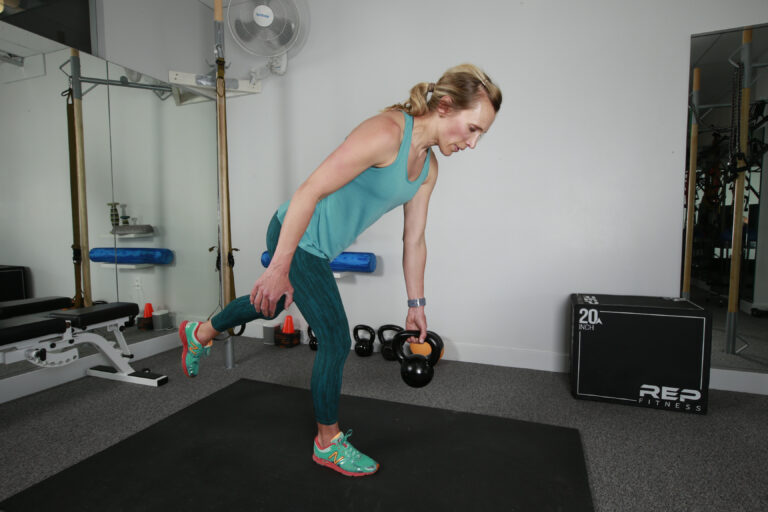
More commonly, improving shoulder strength and control alone can significantly reduce stress on the wrist. Exercises targeting scapular stability and forearm endurance are often included in a rehab plan. Even the low back and hip play a role in providing power and control to the shot!
Gradual Return to Play
Returning too quickly is one of the most common reasons pain comes back.
A gradual progression is key. Start with shorter sessions, focus on controlled shots, and monitor how your wrist responds the next day. If pain increases, scale back slightly before progressing again.
When to Seek Professional Help
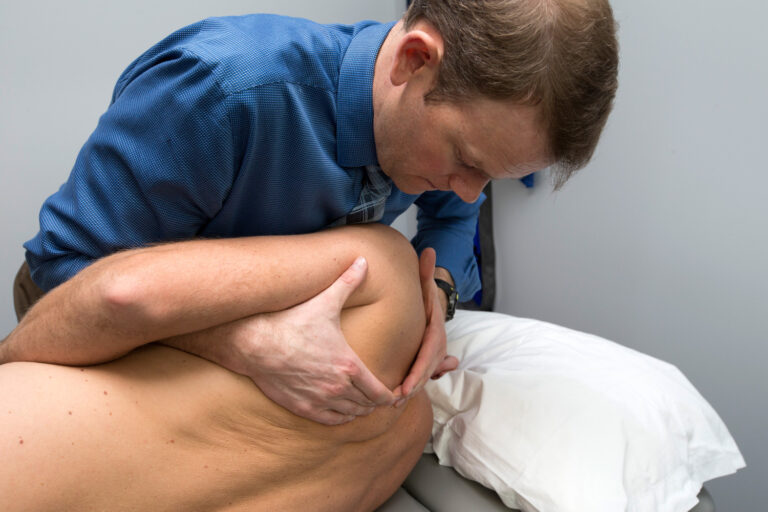
If your pain persists for more than a couple of weeks, continues to worsen, or begins to affect daily activities, it may be time to consult a physical therapist.
A professional can assess movement patterns, identify contributing factors, and design a personalized program that targets the root cause rather than just the symptoms.
Preventing Future Wrist Pain
Prevention is built on the same principles as rehab. Efficient movement, proper load management, and consistent strength work all play a role.
Warming up before playing, maintaining forearm strength, and avoiding excessive wrist-driven shots can help keep your joints healthy over time.
Final Thoughts
If you are dealing with wrist pain from pickleball and live in Boulder, Louisville, Lafayette, or Erie, Colorado, now is the time to take action. Scheduling a one on one evaluation with a physical therapist at Mend Physical Therapy can help you identify the root cause of your pain and start a personalized rehab plan right away. Whether you are playing regularly in Boulder, staying active in Louisville, competing in Lafayette, or getting into pickleball in Erie, expert physical therapy can help you recover faster, prevent future injuries, and get back on the court feeling strong and confident.
Click Here to schedule your next appointment with the experts at MEND