
Blog

Why Your Neck and Shoulders Hurt When You Play Music

By Mary Pezzella, PT, DPT You finish a long rehearsal and your neck is tight, your shoulder is burning, and the space between your shoulder blades feels like a knot. Maybe it settles overnight. Then you pick up your instrument the next day and it’s right back. If that sounds familiar, you’re in good company....
Knee Mobilization After ACL Surgery: Regaining Full Extension

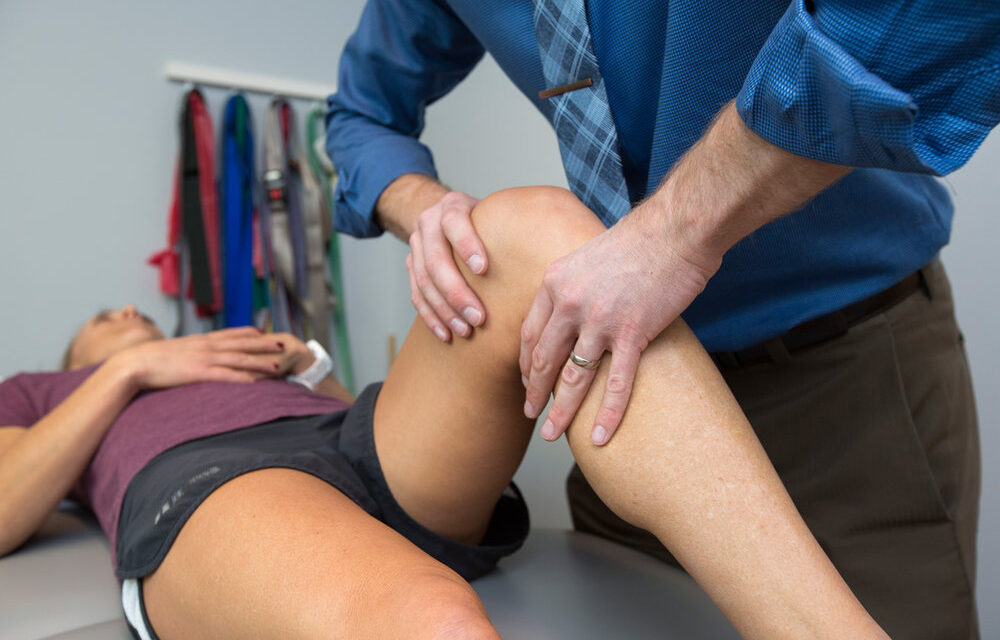
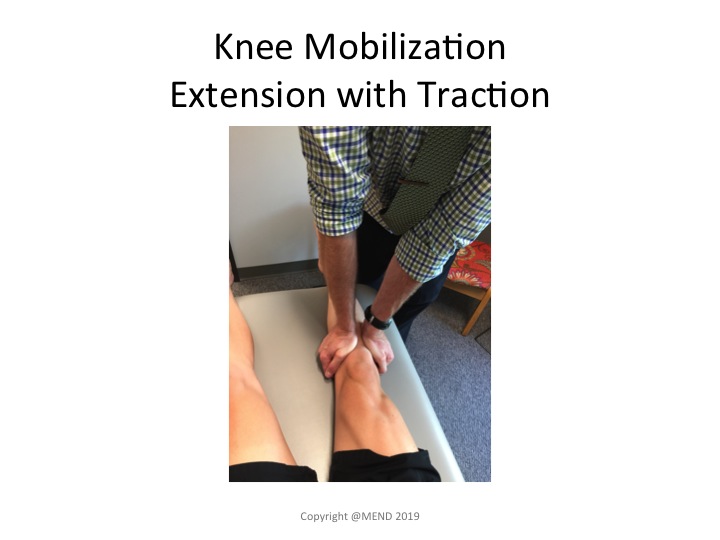
If your knee will not fully straighten after ACL reconstruction, those last few degrees deserve attention early. Lost extension changes how you walk, keeps your quadriceps working in a bent position, and gets harder to recover the longer it sits. Knee mobilization is one of the hands-on tools physical therapists use to help, though the...

In a previous post, we detailed the latest research on the importance of ankle mobility on knee mechanics.  During weight bearing the shin, tibia, must be able to move forward over the fixed ankle and foot.  Without adequate ankle flexibility and shin moved over the foot to the inside placing the knee at risk of...

The ankle plays a critical role in the ability of the knee to stay over the foot during functional tasks such as walking, running, and stair climbing.  Under normal conditions the mobility of the ankle allows the leg to move forward over the weight bearing foot.  If this range of motion is limited, the leg...

The role of ankle mobility on injury risk and performance has been previously described in our prior blog posts.  These posts have described the correlation between a lack of mobility at the ankle and knee injuries including patellofemoral knee pain and ACL injury, as well as, ankle sprains and achilles tendonitis.  A lack of ankle...

How Does Ankle Mobility Influence My Running Mechanics?

A number of studies have shown a relationship between ankle mobility and lower quarter injuries. In our Boulder and Lafayette Physical Therapy clinics we often identify these impairments during our Physical Therapy examination. A loss of mobility in one area of the body can lead to overuse of an adjacent area. Examples include a loss...

The step down test is an important Physical Therapy test to determine the ability of our athletes to stabilize their lower extremity in single leg stance.  Proper performance of this test requires adequate strength, balance, control, and mobility in the lower extremity.  Often athletes with lower extremity or spinal pain have a significant asymmetry in...