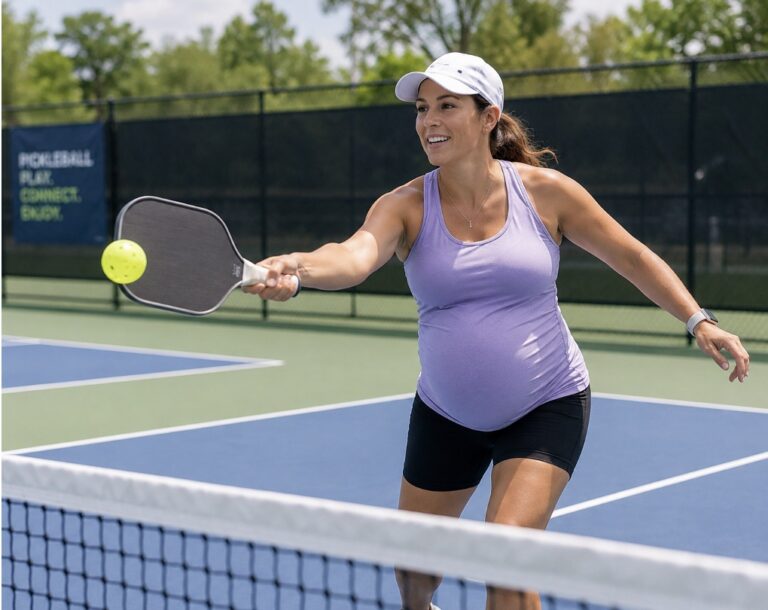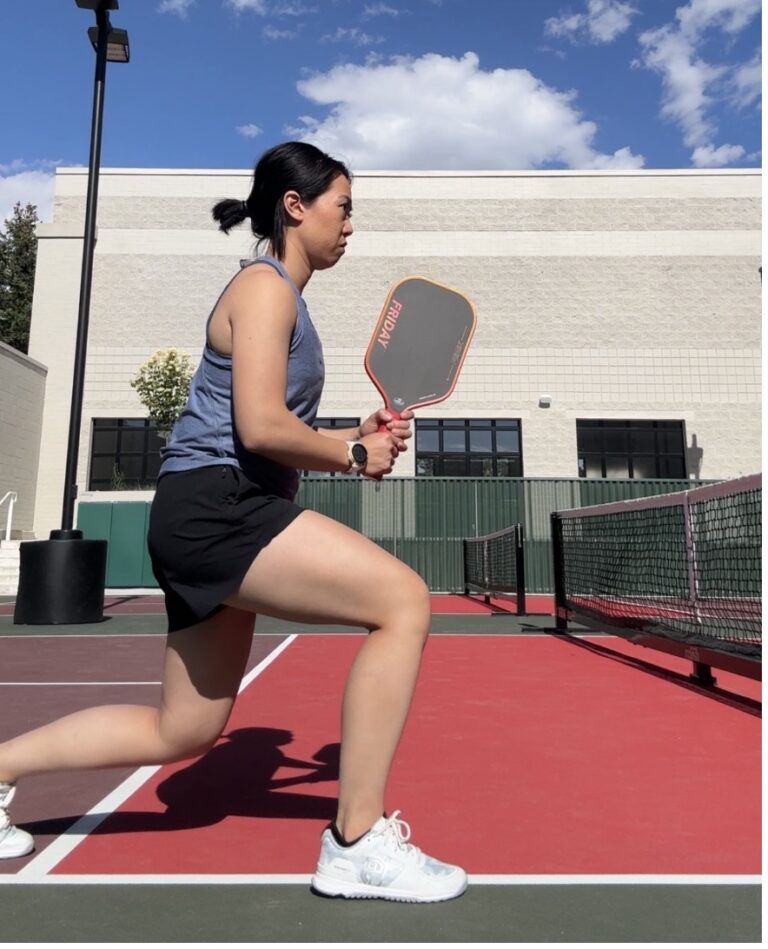
If you play pickleball and feel like you’re always a split-second late at the kitchen line, it’s tempting to blame your hands.
“They’re just not fast enough.”
But that’s usually not true.
In most cases, slow reactions in pickleball have very little to do with your hands and everything to do with how well your eyes, neck, and balance system are working together.
The Real Problem: A Broken Reaction Chain
Every time a ball comes at you, your body follows a sequence:
- Eyes detect the ball
- Brain processes speed and direction
- Head and neck orient your position
- Body stabilizes
- Hands execute the shot
If you’re late, the breakdown usually happens before your hands ever move.
Why Your Neck Is Slowing You Down
Your neck (cervical spine) plays a critical role in reaction time because it:
- Controls head position
- Stabilizes your gaze
- Feeds positional information to your brain
When your neck isn’t working efficiently:
- Your head or thoracic spine moves too much
- Your eyes struggle to stay locked on the ball
- Your brain gets delayed or unclear information
Result: your hands react late even if they’re capable of moving fast
The Balance Factor Nobody Talks About
Pickleball is full of subtle instability:
- Reaching for wide dinks
- Recovering after a volley
- Resetting during fast exchanges
When your balance is off:
- Your head becomes less stable
- Your visual tracking becomes less precise
- Your contact point becomes inconsistent
That’s why you might feel:
- “Rushed” at the net
- Fine in drills, but late in games
- Inconsistent on fast balls
Signs It’s Not Your Hands
You’re likely dealing with a coordination issue not a hand-speed issue if you:
- Mishit balls you clearly “saw”
- Struggle more during fast exchanges than slow drills
- Feel off-balance during contact
- Look up or lose the ball just before hitting
The Fix: Train the System, Not Just the Hands
If you want faster reactions, you need to train:
- Visual tracking (seeing earlier)
- Neck control + cervical active range of motion (especially right and left rotation for efficient head movement)
- Balance (keeping your system steady)
- Then hand speed
At-Home Drills to Improve Reaction Time
These drills are simple, effective, and perfect for players in Lafayette who want to improve without always being on the court.
- Single-Leg Head Tracking
- Stand on one leg
- Hold a ball at arm’s length
- Move it side-to-side
- Track it with your head and eyes
- Why it works: Improves neck mobility, control, and coordination with your visual system
- Single-Leg Wall Toss
- Balance on one leg
- Toss a ball against a wall and catch it
- Progression: Alternate hands, Use a paddle
- Head Turn Stability Drill
- Stand on one leg
- Fix your eyes on a target
- Turn your head left and right
- Goal: Keep vision stable while moving
- Reaction Drop Drill
- Drop a ball and catch it quickly
- Progress to reacting to unpredictable drops
- Eyes-Closed Reset
- Keep eyes closed facing a wall
- Throw a ball to the wall
- Open eyes and immediately track and catching the ball
- Why it works: Improves proprioception and reaction timing
On-Court Fixes You Can Use Immediately
Next time you play focus on:
- Quiet Your Head
Less movement = clearer vision
- Track Earlier
Pick up the ball as soon as it leaves your opponent’s paddle
- Stay Balanced
If you’re off-balance, expect slower reactions
- Shorten Your Swing
Fast hands come from efficiency, not effort
What Happens When You Fix This
Players who train this system consistently (3–4x/week) often notice within weeks:
- Faster reaction time at the kitchen
- Cleaner, more consistent contact
- Better control during speed-ups
- Less panic in fast exchanges in the kitchen
The Bottom Line
Your hands aren’t the problem. They’re just the final piece of a system that depends on your eyes, neck, and balance working together. Fix the system, and your hands will feel faster without actually trying to move them faster.
If you’re in Lafayette, Erie, Louisville, Boulder, Westminster, or Broomfield Colorado and you’re tired of feeling slow, stiff, or out of sync, it’s time to stop chasing symptoms and start fixing the root cause.
This isn’t about pushing harder it’s about getting your system working smarter.
Book your session today and feel the difference when everything finally clicks.