
Blog

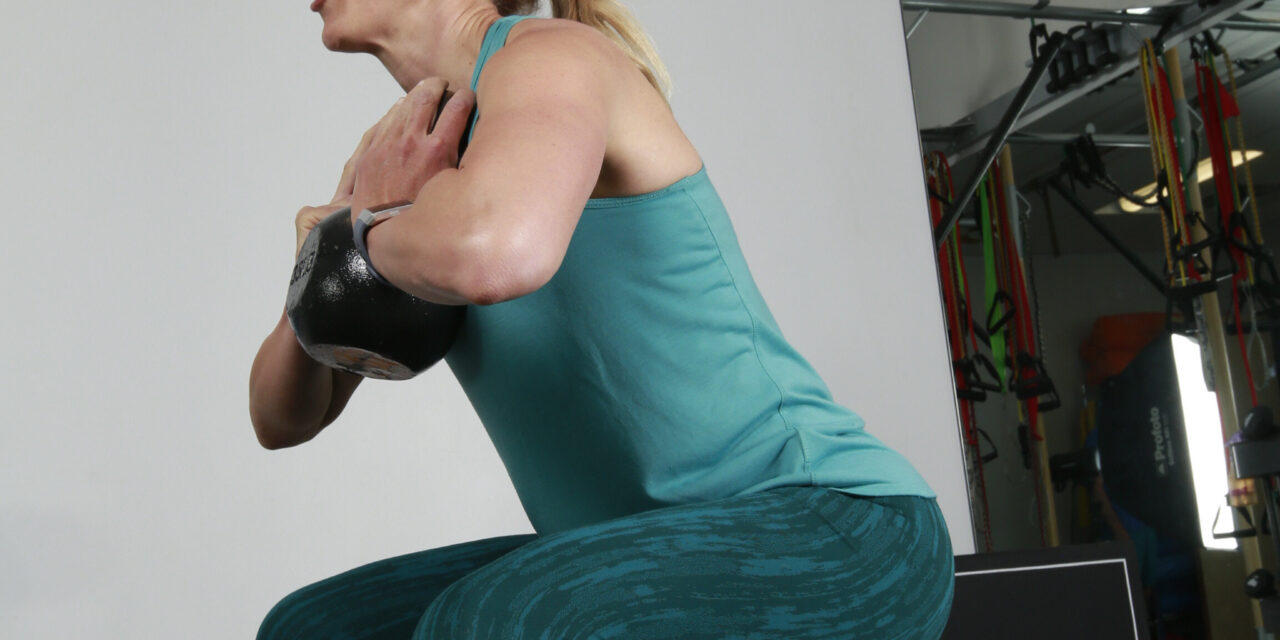
By Berrin Boyce Overall, the benefits of exercise, including high-intensity exercise are well researched and widely known. However, risks of excessive exercise are important to be aware of as they can contribute to negative health consequences.  A condition known as the female athlete triad can occur when an imbalance in energy expenditure is present over...

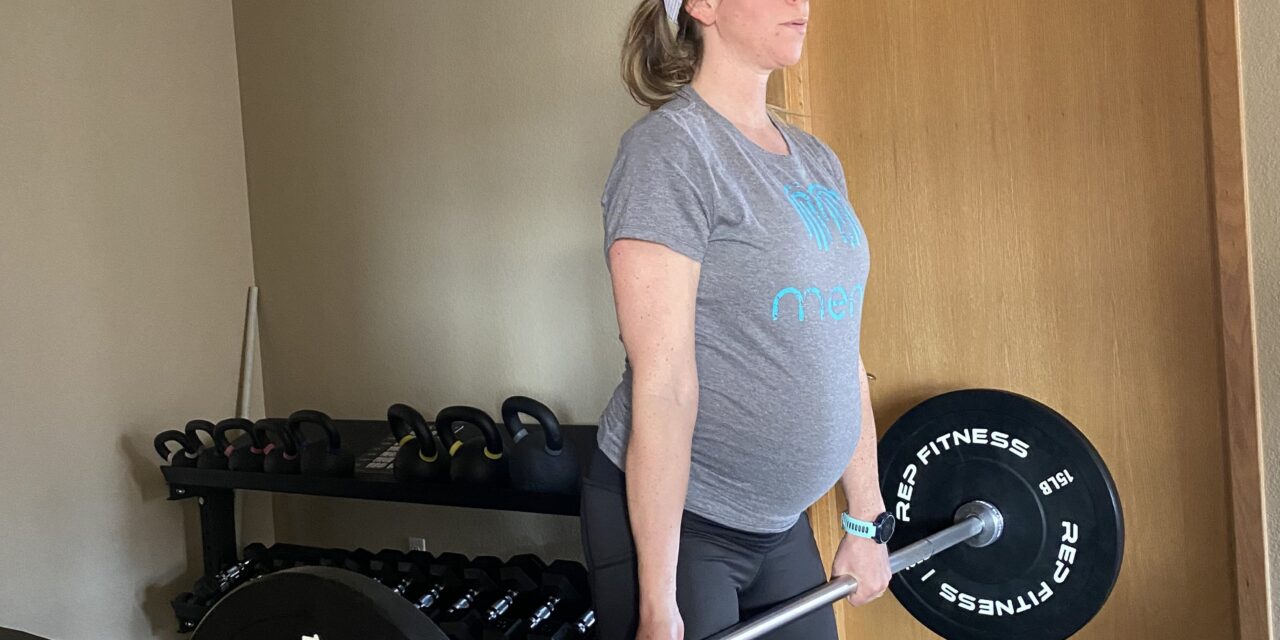
What Exercises are Safe During Pregnancy?

Many questions arise during pregnancy regarding the safety of different forms of exercise for both mother and developing child. The information included here originates from the recently revised Canadian guideline for physical activity during pregnancy (Mottola et al 2019) and the American College of Obstetricians and Gynecologists Opinion on Physical Activity During Pregnancy and the...

Word choice and verbal instruction impacts how one performs a pelvic floor muscle contraction. Previous research on women suggests that around 40% of women do not perform a kegel or pelvic floor muscle contraction correctly with verbal instruction and 25% of them were doing something that would increase the likelihood of leaking such as holding...

Non Surgical Treatments For Pelvic Organ Prolapse

Pelvic organ prolapse (or “POP”) occurs when the muscles and connective tissues that support pelvic organs weaken causing descent of the organ (or organs) from their original positions into the pelvic cavity. The type of prolapse depends on where the weakness occurs and what organs are affected. Organs can prolapse independently of one another or...

Is My Pelvic Floor Too Tight to Give Birth?

At Mend, we work with highly active women in Boulder County during pregnancy in our Boulder and Lafayette sports medicine and pelvic health physical therapy practice. This includes elite marathoners, CrossFit enthusiasts, triathletes, group fitness junkies and more. As pelvic health specialists we often hear concerns from these active women about “being too tight” in...

The scope of pelvic health physical therapy is wider than you may think. Pelvic physical therapy can help address a variety of gastrointestinal dysfunctions including: –constipation -IBS -bloating -abdominal pain -fecal incontinence -abdominophrenic dyssynergia  -and more! One of the most researched and successfully treated GI dysfunctions in pelvic PT is constipation. Constipation is broken down...