
Blog

There are few areas of Physical Therapy practice more controversial than the SI Joint.  Disagreements exist among clinicians and researchers on the diagnosis and treatment of this joint.  Many commonly used clinical examination and even medical diagnostic procedures’ false positive and negative rates make accurate diagnosis difficult.  Conversely, clusters of examination findings remain the clinical...

Background Sacroiliac (SI) joint pain is an less common source of low back pain but has a higher incidence pregnant and post partum patients, as well as, after trauma. The incidence of SI pain in patients with low back pain is 13% (9-26%) (1). The majority of patients will report buttock pain (94%), lower lumbar...

Healthcare demonstrates significant swings of the pendulum in examination and treatment trends. Thankfully the medical evidence helps balance these swings allowing us to come to a more appropriate balance in clinical practice. Unfortunately, unchecked bias in a clinician, such as confirmation bias, can lead to missed diagnoses and inappropriate treatments. In Physical Therapy, this can...

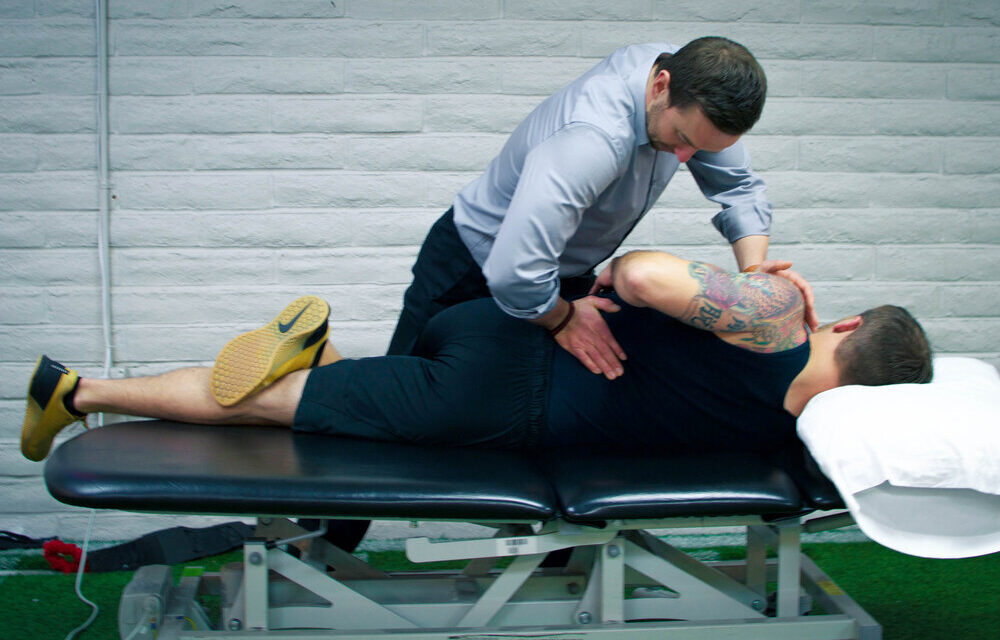
Manipulation, along with strength training, remains one of the most effective treatments for patients with sacroiliac (SI) pain. Spinal manipulation by a Physical Therapist provides a unique stimulus to the nervous system creating a complex therapeutic response in the patient. Researchers continue to investigate the mechanisms behind its’ effectiveness including central and peripheral nervous system...

Physical Therapists aim to utilize clinical objective tests to confirm their evolving hypotheses on the source of patient’s current symptoms. One of the most beneficial areas of our Physical Therapy and orthopedic research has involved the confirmation or refute of known clinical tests to identify patients with or without a given diagnosis such as an...