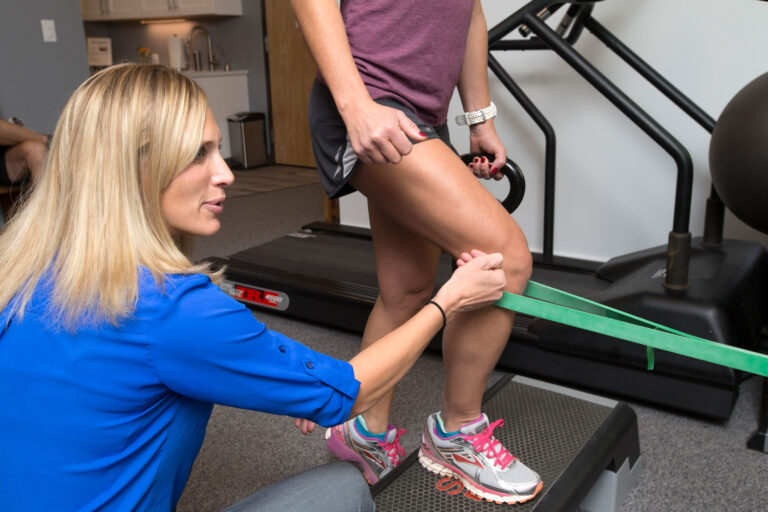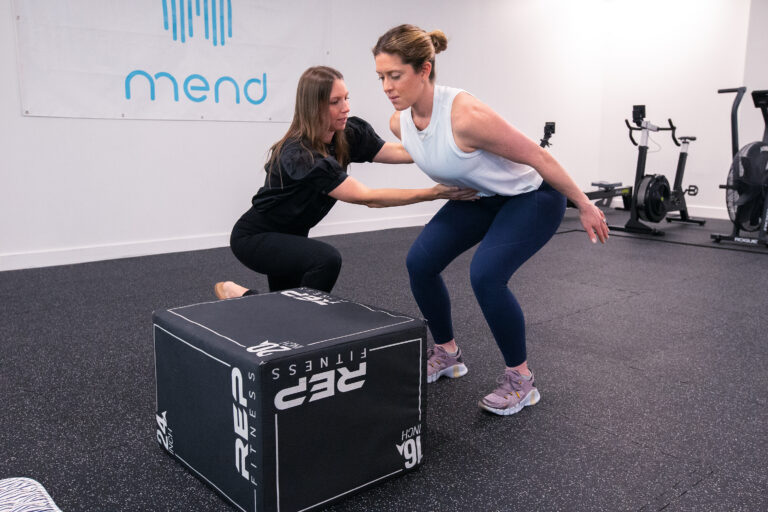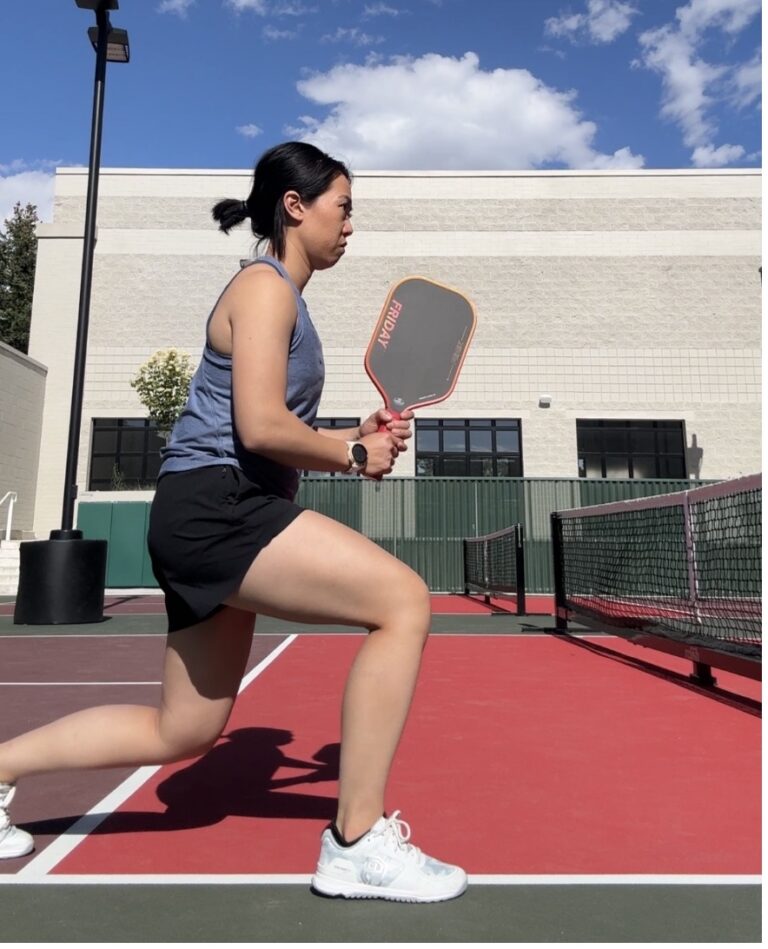

If you’re dealing with an injury, one of the first questions you may have is: Do I have to stop CrossFit? In many cases, the answer is no. Training CrossFit while injured often comes down to modifying your workout rather than stopping altogether, and appropriately modifying your training can allow you to maintain strength and fitness while gradually rebuilding the capacity of the injured area. The goal is not to ignore pain and push through every workout, but it is also not always necessary to shut training down completely. Often, the best approach falls somewhere in between.
Training CrossFit While Injured: Stop or Modify?
One of the first steps is determining how your symptoms respond to load. Some discomfort with exercise can be acceptable during rehabilitation, particularly when it remains mild and predictable. This approach is based on the pain-monitoring model described by Silbernagel and colleagues in a 2007 Achilles tendinopathy study, which has since become a standard framework across sports rehab. A useful guideline is to pay attention not only to what happens during the workout, but also to how you feel afterward. If symptoms stay relatively mild, do not progressively worsen as you continue, and return to your usual baseline by the following day, the amount of load may be appropriate. If pain becomes sharp, continues to increase throughout the workout, significantly changes how you move, or leaves you increasingly sore from session to session, it is time to adjust.
That adjustment does not always mean removing the exercise. Think about the different variables available in a CrossFit workout: load, repetitions, range of motion, speed, exercise selection, and total volume. Changing one or two of those variables can often turn an aggravating movement into something you can tolerate. There are also situations where an evaluation is more appropriate than continued self-modification. A traumatic injury, significant loss of strength, inability to bear weight, numbness or tingling, or symptoms that continue to worsen despite reducing training are all good reasons to get assessed.
Shoulder Pain: Modify the Overhead Demand
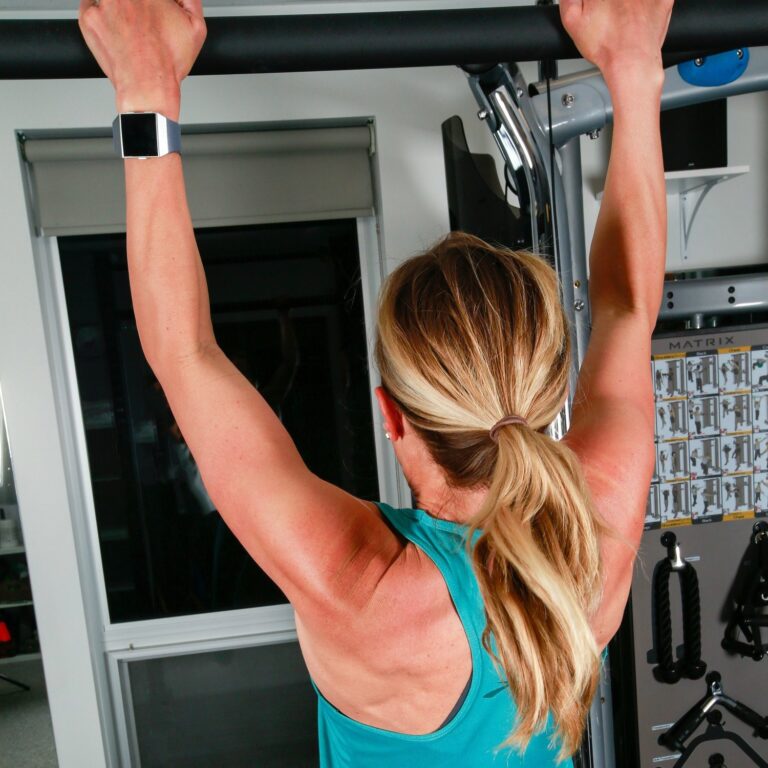
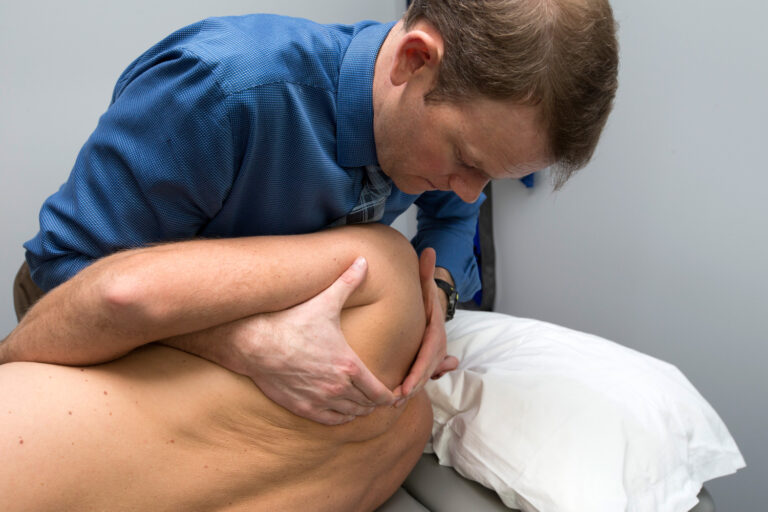
The shoulder is one of the most commonly injured areas in CrossFit, which makes sense given the amount of pressing, pulling, hanging, and gymnastics involved. If kipping pull-ups, muscle-ups, or overhead pressing are aggravating your shoulder, the first step may be reducing the range, volume, or intensity rather than removing upper-body training altogether.
For example, high-volume kipping pull-ups might temporarily become strict pull-ups, band-assisted pull-ups, ring rows, or another pulling variation that is better tolerated. Overhead pressing could be modified to a landmine press, dumbbell press, or reduced range of motion. At the same time, rehabilitation might include progressive rotator cuff, scapular, and pulling strength. From there, the progression could look like rebuilding strict pulling strength, adding controlled hanging and kipping, and finally increasing chest-to-bar or muscle-up volume. The end goal is not simply a shoulder that feels better during daily life. It is a shoulder that can once again tolerate the demands of CrossFit.
Knee Pain: Adjust Depth, Volume, and Impact
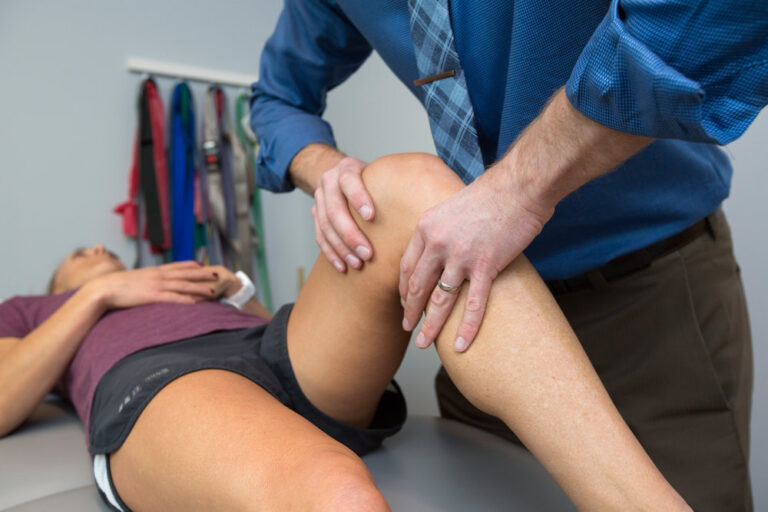
Knee pain can show up with squatting, lunging, running, jumping, or high-volume movements such as wall balls. Instead of immediately removing all lower-body training, start by identifying which part of the movement is aggravating. Is it the depth of the squat? The amount of weight? Repeated jumping? Running volume?
A painful squat might temporarily become a box squat or a squat to a tolerable depth. High-volume wall balls could become a lower-volume squat variation. Running or box jumps might temporarily transition to biking, rowing, sled work, or another conditioning option depending on what the knee tolerates. Rehab can then build the qualities needed to return to the original movement through progressive quadriceps, hamstring, calf, and hip strengthening. As tolerance improves, deeper squatting, heavier loads, running, jumping, and higher workout volumes can be gradually layered back in.
Low Back Pain: Find a Hinge You Can Tolerate
Low back pain does not necessarily mean deadlifts, squats, and Olympic lifts need to disappear. If a heavy deadlift or repeated barbell cycling is irritating your back, consider what happens when you change the demand. Can you reduce the weight? Perform fewer repetitions? Elevate the bar? Slow the movement down? Use a different hinge variation?
For some athletes, temporarily substituting Romanian deadlifts, elevated deadlifts, split squats, carries, sled work, or other tolerated strength exercises can provide a way to continue training while symptoms settle. Rehab can then progressively expose the back to greater range of motion, load, speed, and fatigue. Eventually, that may mean returning to heavier deadlifts, cleans, snatches, or higher-repetition barbell work. The progression should reflect what you actually want to return to rather than stopping once you can perform a light hinge without pain.
Make Rehab Part of Your Training
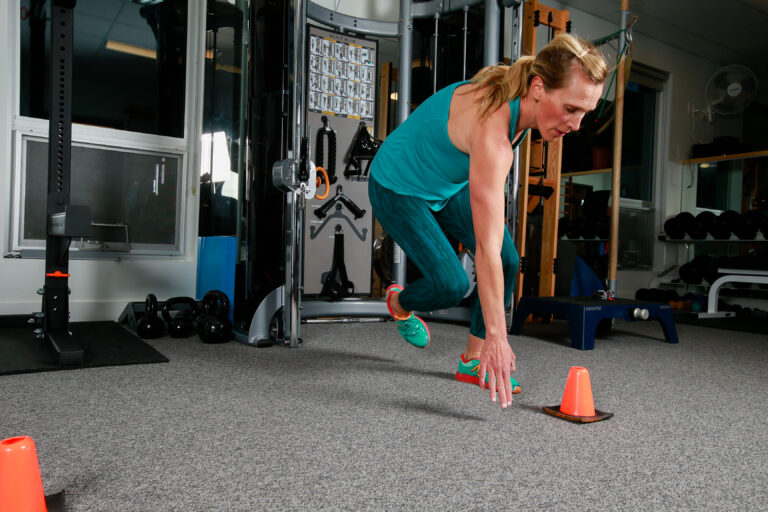
For CrossFit athletes, rehabilitation should eventually start to look like training. Early exercises may be simple and targeted, but they are a starting point rather than the finish line. Three sets of rotator cuff exercises alone do not prepare a shoulder for 30 chest-to-bar pull-ups. Basic quadriceps strengthening does not fully prepare a knee for repeated wall balls and box jumps. A few controlled hinges do not prepare your back for cycling a barbell while your heart rate is elevated.
As symptoms improve, rehab should progressively build toward the strength, speed, range of motion, volume, and fatigue required in the gym. A shoulder rehab session might progress from isolated rotator cuff strengthening to strict pulling, hanging, kipping, and eventually gymnastics under fatigue. Knee rehab may progress from isolated strength work to squatting, running, jumping, and eventually combining those movements in a workout. Low back rehab may move from controlled strengthening into heavier hinges, Olympic lifting, and repeated barbell work.
This is where working with a physical therapist who understands CrossFit can make a difference. You can find more CrossFit-specific guidance from our team as well. The goal at Mend is not simply to get you out of pain. It is to understand what your training requires, determine what you can keep doing, and progressively rebuild the things you cannot do yet. An injury does not always mean you need to stop CrossFit.
If shoulder, knee, or low back pain has you wondering whether you can keep training CrossFit while injured, our CrossFit-focused physical therapy team can help you build a plan to modify safely and keep going. Book an appointment to get started.