By: Chelsey Vasquez, PT, DPT, PRPC
Abdominal bloating and distension are common concerns I hear from patients in pelvic health physical therapy. Many people feel uncomfortable pressure in their abdomen after eating or by the end of the day. While digestive conditions can contribute, another often overlooked factor is abdominophrenic dyssynergia.
Abdominophrenic dyssynergia occurs when the diaphragm and abdominal muscles do not coordinate properly. Instead of the abdominal wall gently supporting the abdomen, the diaphragm contracts downward while the abdomen relaxes outward, creating visible distension even when gas levels are normal. Pair this with tension in the pelvic floor muscles and the pressure in the intra abdominal cavity has nowhere else to go but outwards, causing people to feel and look 6 months pregnant.
As a pelvic health physical therapist, I often work with patients to retrain breathing mechanics and abdominal coordination. Along with therapy, simple daily habits can help reduce bloating and digestive discomfort.
Below are five practical tips I often share with patients in Boulder County experiencing abdominal bloating or distension.
1. Limit Drinking Water During Meals
Drinking large amounts of water during meals may dilute stomach acid and digestive enzymes, making digestion less efficient.
Think of digestion like a fire—adding water while it’s burning can weaken the flame.
Instead, try drinking a glass of water about 30–60 minutes before or after meals rather than during eating. Small sips during a meal are okay.
2. Choose Warm Foods for Breakfast
Your digestive system spends the night in a “rest and digest” state. Starting the day with warm, cooked foods can help gently activate digestion.
Options like warm oatmeal, eggs, or sautéed vegetables may be easier to digest than cold foods first thing in the morning. Foods like overnight oats or smoothies may be better saved as snacks later in the day if you are prone to bloating.
3. Eat Fruit Between Meals
Fruit digests quickly compared to proteins and fats. When eaten immediately after a meal as dessert, fruit can sit on top of slower-digesting foods and may contribute to fermentation and gas.
Instead, try eating fruit between meals as a snack to support smoother digestion.
4. Cook Vegetables if You’re Experiencing Bloating
Raw vegetables are nutritious but can be more difficult for the digestive system to break down, especially for people experiencing abdominal distension.
Cooking vegetables by steaming, roasting, or sautéing helps soften fiber and makes them easier to digest while still providing important nutrients.
5. Slow Down and Chew Thoroughly
Digestion begins in the mouth. Research suggests chewing food around 20–30 times before swallowing helps break down food and stimulate digestive enzymes.
While it may feel slow at first, mindful eating and thorough chewing can significantly reduce bloating and abdominal discomfort.
How Pelvic Health Physical Therapy Can Help
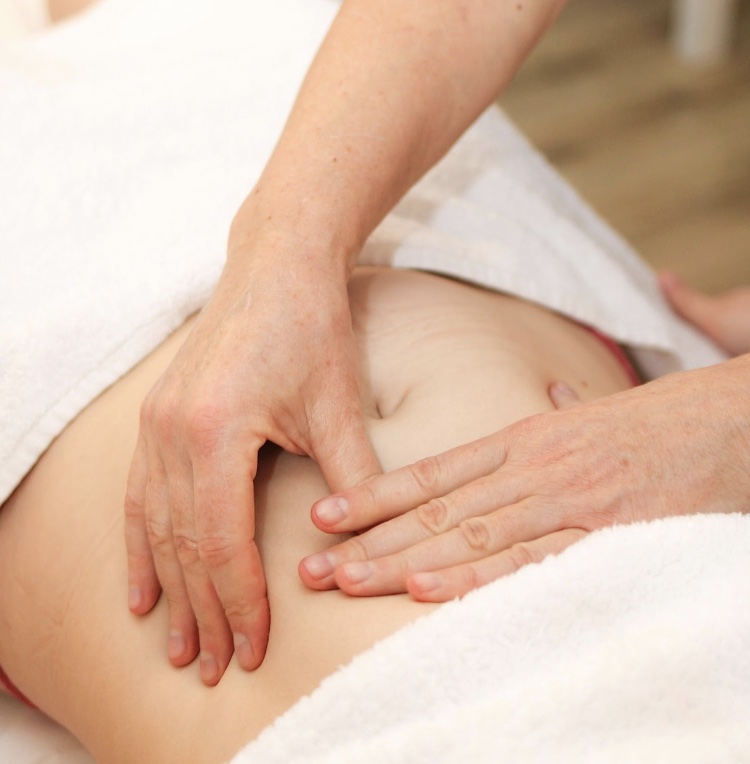
If abdominal distension or bloating is persistent, working with a pelvic health physical therapist can help address underlying coordination patterns between the diaphragm, abdominal wall, and pelvic floor.
Through breathing retraining, abdominal muscle coordination, and digestive education, physical therapy can help reduce symptoms associated with abdominophrenic dyssynergia and chronic bloating.
For individuals in Boulder County, pelvic health specialists at Mend Physical Therapy provide individualized care for digestive-related pelvic health concerns. Click here to schedule now!