By: Chelsey Vasquez, PT, DPT, PRPC and Erica Tran, PT, DPT, OCS
For many women, childbirth recovery includes more than just sleep deprivation and adjusting to life with a newborn. Perineal tearing during delivery is extremely common and can sometimes lead to lingering pelvic pain, scar sensitivity, or pain with intercourse months after giving birth.
As a pelvic floor physical therapist in Boulder County, I frequently work with postpartum patients experiencing discomfort related to perineal tears. One treatment option that can be helpful in certain cases is trigger point dry needling, a technique used to release painful muscle knots in the pelvic and hip muscles.
If you’re experiencing ongoing pain after delivery, understanding the role of pelvic floor muscles and trigger points may help explain why symptoms persist—and how physical therapy can help.
Why Pain Can Persist After a Perineal Tear
Current literature suggests 9 out of 10 women experience perineal trauma during vaginal deliveries. While most tears heal properly, the surrounding pelvic floor muscles can remain tight, guarded, or painful long after the tissue itself has healed.
Research has shown that myofascial trigger points—tight, sensitive bands in muscle—are commonly involved in chronic pelvic pain conditions. These trigger points can develop after trauma, surgery, or muscle overuse and may refer pain throughout the pelvis.
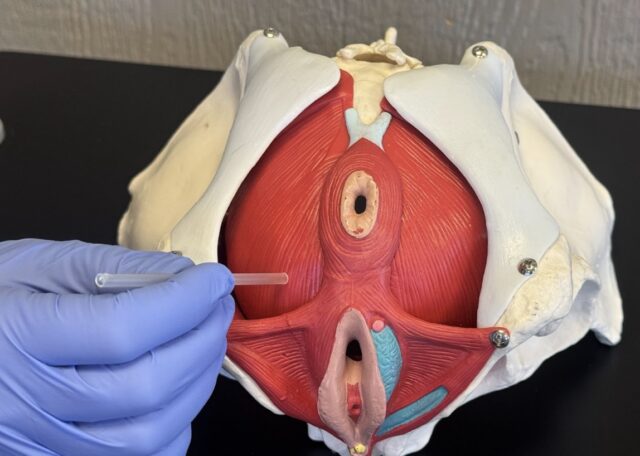
Following childbirth, trigger points may form in the pelvic floor muscles themselves or in nearby muscles that support the pelvis, including the hips, glutes, spinal and abdominal musculature. When these muscles remain tight, patients may experience:
- Pelvic and perineal pain
- Painful intercourse (dyspareunia)
- Hip/groin, back, abdominal, or pelvic girdle pain
- Difficulty relaxing the pelvic floor
This is where pelvic floor physical therapy can play a critical role in recovery.
What Is Trigger Point Dry Needling?
Trigger point dry needling is a technique used by specially trained physical therapists to treat muscle trigger points.
Using a very thin monofilament needle, the therapist targets tight areas within a muscle. When the needle reaches the trigger point, it can create a brief twitch response, which helps the muscle relax.
Research suggests dry needling can help:
- Reduce muscle tension
- Improve local and distal blood flow
- Decrease pain signaling
- Restore normal muscle function
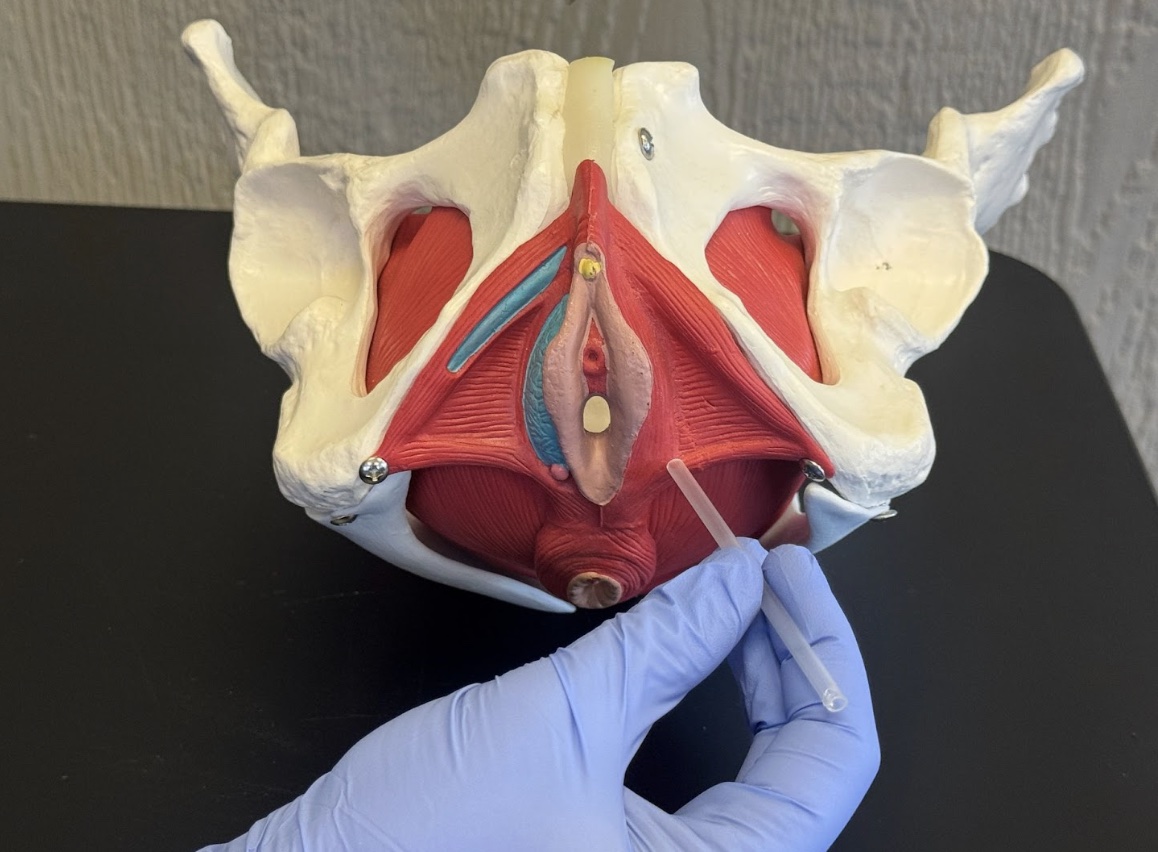
For pelvic pain, dry needling is performed externally at the pelvic floor and/or surrounding muscles, which can also include use of electrical stimulation.
What Research Says About Dry Needling for Pelvic Pain
Although research specifically focused on postpartum perineal tears is still emerging, studies examining dry needling for myofascial pelvic pain show promising results.
Clinical research investigating trigger point treatment for pelvic pain has demonstrated improvements in:
- Pain intensity
- Pelvic floor muscle tension
- Pain with intercourse
These improvements occur because addressing trigger points helps restore normal muscle function and reduce protective muscle guarding around the pelvis.
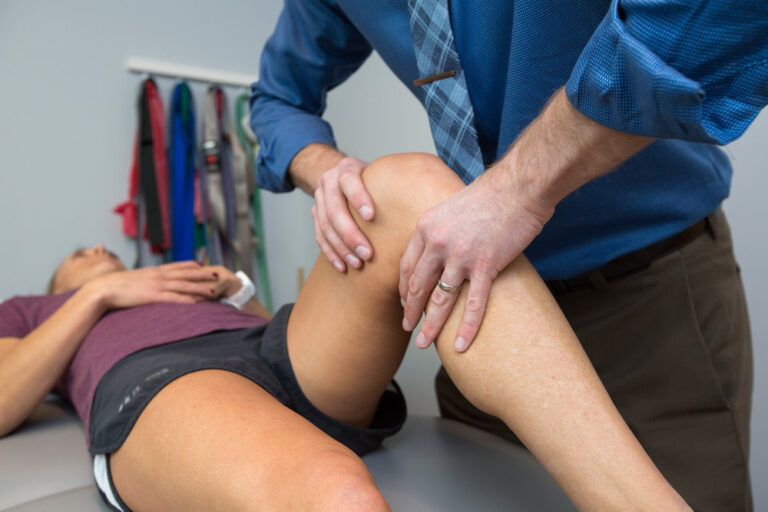
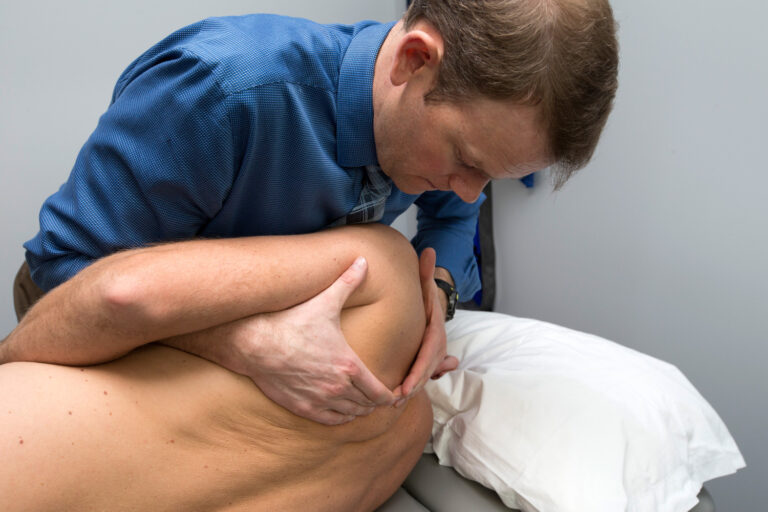
In clinical practice, pelvic floor physical therapists often see significant improvements when dry needling is combined with other treatments such as manual therapy, scar mobility work, and pelvic floor retraining.
How Pelvic Floor Physical Therapy Supports Postpartum Recovery
Dry needling is just one tool within a comprehensive pelvic floor rehabilitation program.
At Mend Physical Therapy, pelvic health specialists work with patients across Boulder, Louisville, Lafayette, and surrounding Boulder County communities to treat postpartum pelvic pain and pelvic floor dysfunction.
Treatment may include:
- Pelvic floor muscle assessment
- Scar tissue mobilization
- Trigger point release
- Dry needling
- Breathing and pelvic floor coordination
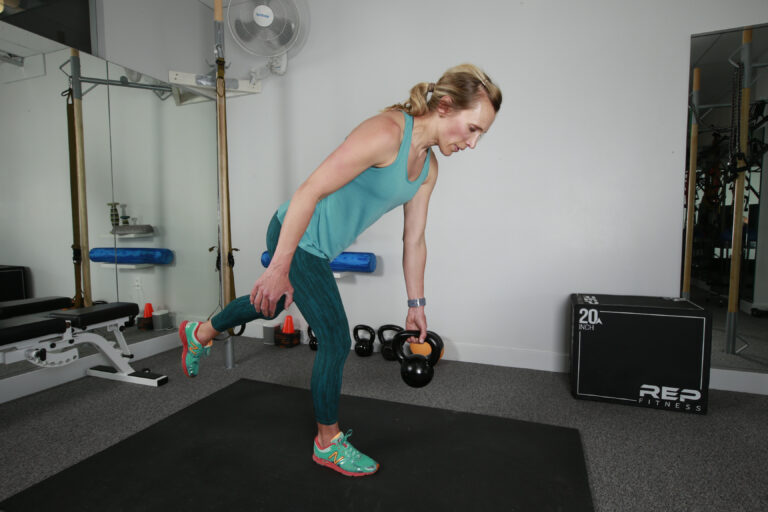
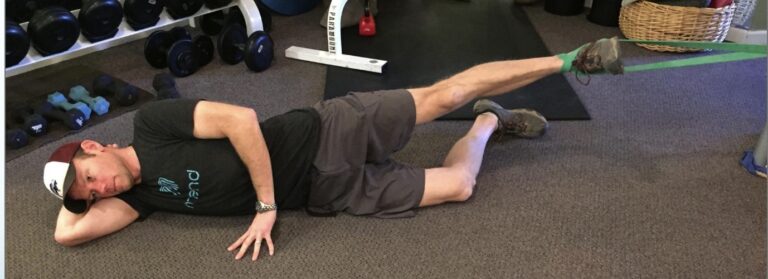
- Core stability
- Spinal mobility
- Generalized strengthening
The goal is not just pain relief—it’s helping patients return to comfortable movement, exercise, and intimacy after childbirth.
You can learn more about pelvic floor therapy services at mendcolorado.com.
When to See a Pelvic Floor Physical Therapist
It may be helpful to seek pelvic floor physical therapy if you experience:
- Pain in the perineum or pelvis after childbirth
- Painful intercourse postpartum
- Pelvic tightness or pressure
- Persistent discomfort after a tear or episiotomy
These symptoms are common—but they are not something you need to live with long-term.
With the right treatment approach, many patients experience meaningful improvement and regain confidence in their bodies after birth.
If you’re in Boulder County and experiencing postpartum pelvic pain, working with a pelvic floor physical therapist can help identify the root cause and guide your recovery. Click here to schedule an evaluation today!