Blog

5 Bladder Health Tips From a Pelvic Physical Therapist

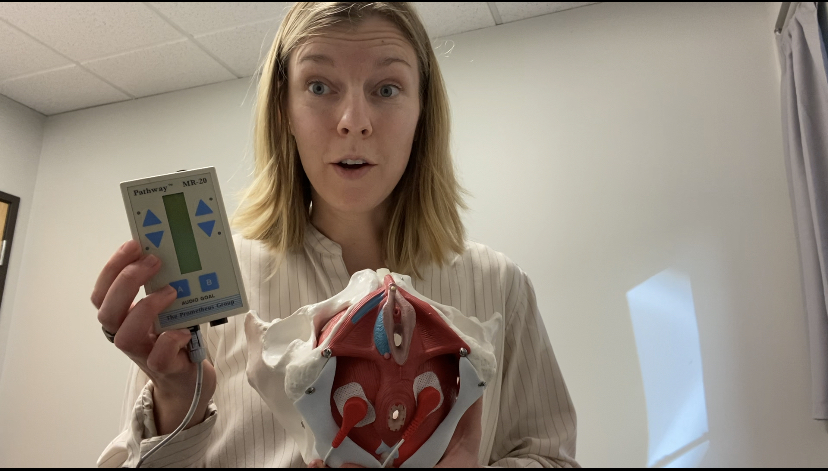
The brain, bladder, and pelvic floor are a system that need to work in harmony together. An issue with any of those regions in the system will affect the others regions and can lead to bladder dysfunction. Dysfunction may appear as: leaking before you make it to the toilet (urge incontinence), leaking during activity or...

What Women Need To Know About Pain With Sex

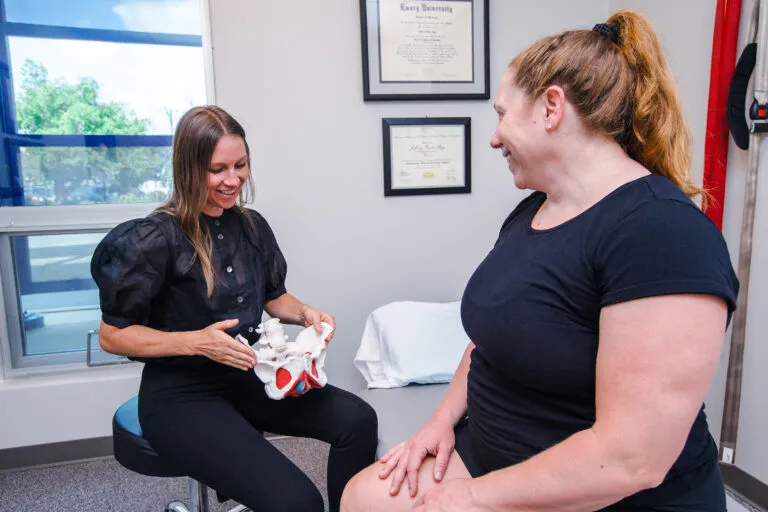
One of the most frequently asked questions we get as pelvic floor specialists from our female patients is “is it normal that I have pain with sex?” While it is common, it is not and does not have to be accepted as “normal.” According to statistics from the American College of Gynecology (ACOG), 75% of...

Pelvic Physical Therapy Can Improve Fertility

In the United States, about 13% of women aged 15-49 year old will experience infertility. Infertility is described as the inability to get pregnant after 12 months of unprotected intercourse. For those experiencing infertility, it can be a long, emotionally and financially taxing journey. Each woman’s journey is unique which can make it hard to...

As more research about the novel coronavirus COVID-19 is developed, it is important to consider the effects of the disease on the pelvic floor and associated body systems and functions. The implications are both direct, i.e. affecting the cells of the bladder and small intestine, and indirect by disrupting function in the pulmonary system, in...

Control of our bladder and bowels are some of our most primal functions as humans and when something goes awry with those systems, it can be especially defeating for us. One cause of urinary or fecal incontinence can be due to what is called “urge incontinence”, which refers to leakage occurring when one cannot control...

Does cycling contribute to men’s pelvic floor dysfunction? There is conflicting evidence on the effect of cycling and pelvic floor dysfunction in men. As the sport becomes more popular, especially here in Boulder, it is imperative to review the current literature to understand the effect, if any, this sport has on your pelvic floor and...

6 Ways to Reduce Urge Related Urinary Incontinence By Berrin Boyce, PT, DPT, PRPC Urinary urge incontinence or leaking with a strong sense of urge is estimated to impact 20-30% of women. In clinical practice I frequently work with patients of all genders and ages who experience urge related incontinence that interferes with work, school,...

Do you experience urinary leaking with jumping jacks, double-unders, box jumps or while jumping on the trampoline? Maybe you’re avoiding jumping altogether for fear of leaking or pelvic heaviness. Jumping is a great exercise as it helps build muscle strength and power, while challenging the cardiovascular system. It requires coordination, agility, and can be beneficial...

Pelvic organ prolapse occurs when there is a lack of support from the muscles or connective tissues around the bladder, rectum or uterus (if applicable). Symptoms can include: sensation of pelvic heaviness or pressure in the vagina or rectum, incomplete emptying of the bladder or rectum, and more outlined here. Risk factors for prolapse include:...