
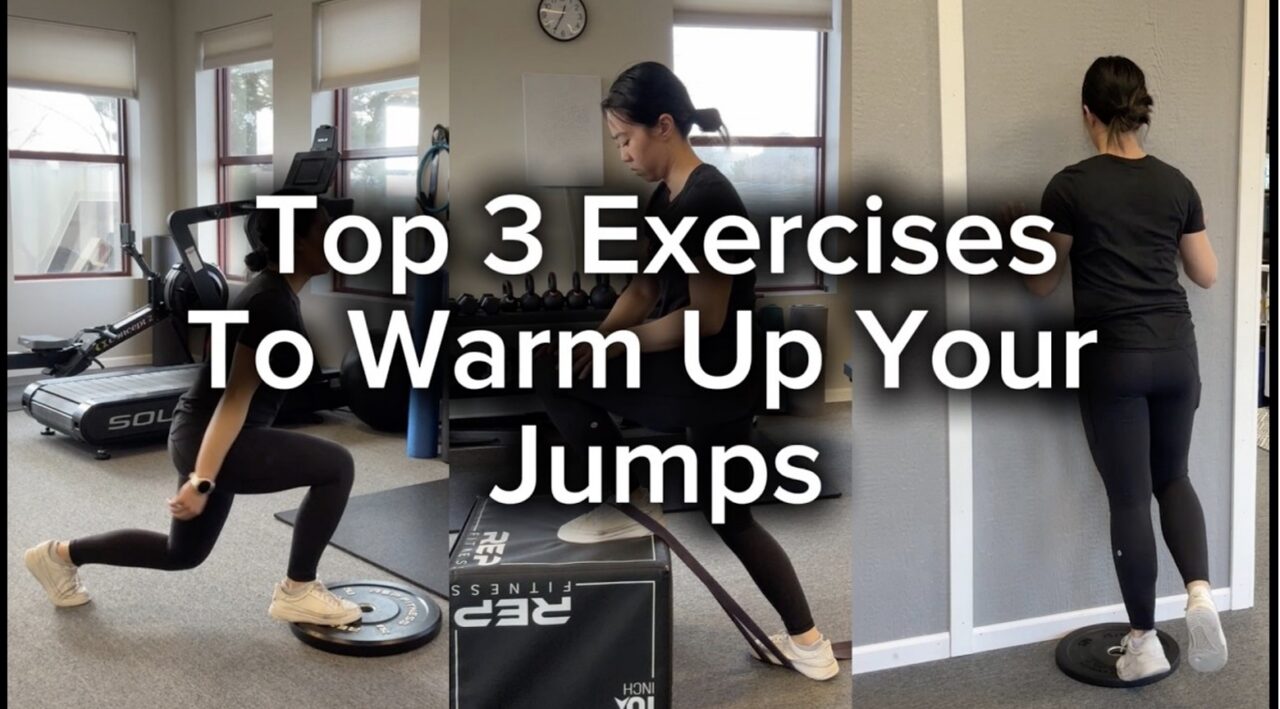
If you’ve done enough workouts in the CrossFit Open, you know one thing is almost guaranteed: double unders will show up when your heart rate is already through the roof. The difference between smooth sets and frustrating trip-ups often comes down to how well your ankles, calves, and reactive power are primed before the workout.
For the upcoming 26.3 workout, I put together a quick plyometric warm-up designed specifically to dial in the mechanics behind efficient double unders: ankle stiffness, elastic rebound, and single-leg stability.
This sequence takes about 5–7 minutes, requires minimal equipment, and can dramatically improve how “springy” you feel once the clock starts.
Why Double-Under Warm-Ups Matter
Double unders aren’t just about timing the rope. They rely heavily on the stretch-shortening cycle of the lower leg. Efficient jumpers maintain:
- Stiff but responsive ankles
- Minimal knee bend
- Elastic calf recoil
- Balanced single-leg loading
If those systems aren’t activated, athletes often compensate with:
- excessive knee bend
- heavy landings
- premature calf fatigue
This warm-up targets those exact limitations.
- Single-Leg Heel Raise on Plate
Purpose: Activate the calves and improve ankle stiffness for reactive jumping.
How to perform:
- Stand with the ball of one foot on a plate or small elevation.
- Keep the knee slightly soft but mostly extended.
- Raise the heel slowly to full plantar flexion.
- Lower under control.
Prescription
- 10–12 reps each side
- 2 second up / 2 second down
Coaching cues
- Think “push through the big toe.”
- Maintain balance without gripping the ground.
- Control the lowering phase to prep the tendon.
This primes the Achilles tendon and calf complex, which acts like the spring during double unders.
- Bulgarian Split Squat Alternating Jumps
Purpose: Build explosive unilateral power and landing control.
Double unders are technically repeated single-leg loading events, even though both feet leave the ground.
How to perform
- Back foot elevated on a box or bench.
- Lower into a Bulgarian split squat.
- Explosively jump upward.
- Switch legs mid-air.
- Land softly and immediately descend into the next rep.
Prescription
- 8–10 alternating jumps
- 2 rounds
Coaching cues
- Land quiet and controlled
- Maintain torso upright
- Think “quick off the ground”
This improves the reactive strength index, which translates directly into faster rope cycles.
- Banded Ankle Mobilizations
Purpose: Improve ankle dorsiflexion so athletes can maintain efficient jumping mechanics.
Limited ankle mobility often leads to:
- excessive knee bend
- forward torso lean
- inefficient jumps
How to perform
- Anchor a resistance band low.
- Loop it around the front of the ankle joint.
- Step forward to create tension.
- Drive the knee forward over the toes repeatedly.
Prescription
- 15–20 pulses each side
Coaching cues
- Keep the heel flat
- Move slowly into end range
- Don’t collapse the arch
This restores the range needed for elastic recoil without compensation.
Putting It All Together
Perform the warm-up as a quick circuit:
2 Rounds
- 20 SL heel raises (each side)
- 10 Bulgarian alternating jumps
- 15–20 banded ankle mobilizations (each side)
Then finish with 1–2 short double-under practice sets to integrate the mechanics.
Final Thoughts for Open 26.3
In high-rep Open workouts, double unders usually fall apart because of fatigue and loss of elasticity, not lack of skill.
By activating the calves, improving ankle mobility, and priming plyometric rebound, you set yourself up for:
- smoother rope timing
- fewer no-reps
- faster recovery between sets
A small warm-up investment can mean dozens of seconds saved on the leaderboard.
Good luck in 26.3 and may all your sets be unbroken.
Click Here to schedule your next appointment with the experts at MEND