By: Rani Helvey-Byers, PT, DPT, OCS
If you’ve been told you have osteopenia or osteoporosis, it’s natural to feel cautious about movement—especially anything involving weights. Many women are advised to “be careful,” “avoid heavy lifting,” or stick to walking and light exercise. In reality, this advice is not only outdated, but may be doing you more harm than good.
Here’s the truth backed by research:
Appropriately prescribed high-intensity resistance training can actually improve bone mineral density.
Not only is strength training safe when done correctly—it is one of the most powerful tools for protecting your bones as you age. And, unlike medications which may have less than ideal side effects, the side effects of strength training include reduced risk of falls, reduced risk of fractures, and improved overall function. It’s a win-win!
Let’s break down what the research says and what it means for you.
Why Bones Need Strength Training to Stay Strong
Bone is living tissue. Just like muscle, it responds to healthy stresses placed upon it—specifically mechanical loading through strength training. When you apply enough force to bone, bone cells receive a signal to:
-
Increase bone formation
-
Improve bone structure
-
Slow or reverse bone loss
A landmark study in this area, the LIFTMOR trial, found that women with low to very low bone density actually improved bone density in their lumbar spine and femoral neck (hip) after participating in a twice-weekly high resistance and impact exercise program. They concluded that high resistance and impact training is both effective in improving bone density and, when performed under supervision, does not increase risk of injury or fracture.
What Is “High-Intensity” Resistance Training? (It’s not as scary as it sounds…)
To clarify, high-intensity does not mean reckless, fast, or unsafe.
In reality, it means:
-
Training 2–3 times per week: which has been shown to be an effective frequency to help build muscle and bone mass.
-
Using progressive overload – meaning that you make the exercises slightly harder over time as your body becomes stronger.
-
Work up to lifting 70–85% of your one-rep max: A one-rep max is the heaviest amount of weight you could safely lift one time with good form. If you’re not used to weight lifting, determining what your one-rep max is can be intimidating. This is why it’s essential to begin by working with a professional who can help you find the appropriate level of intensity for you.
-
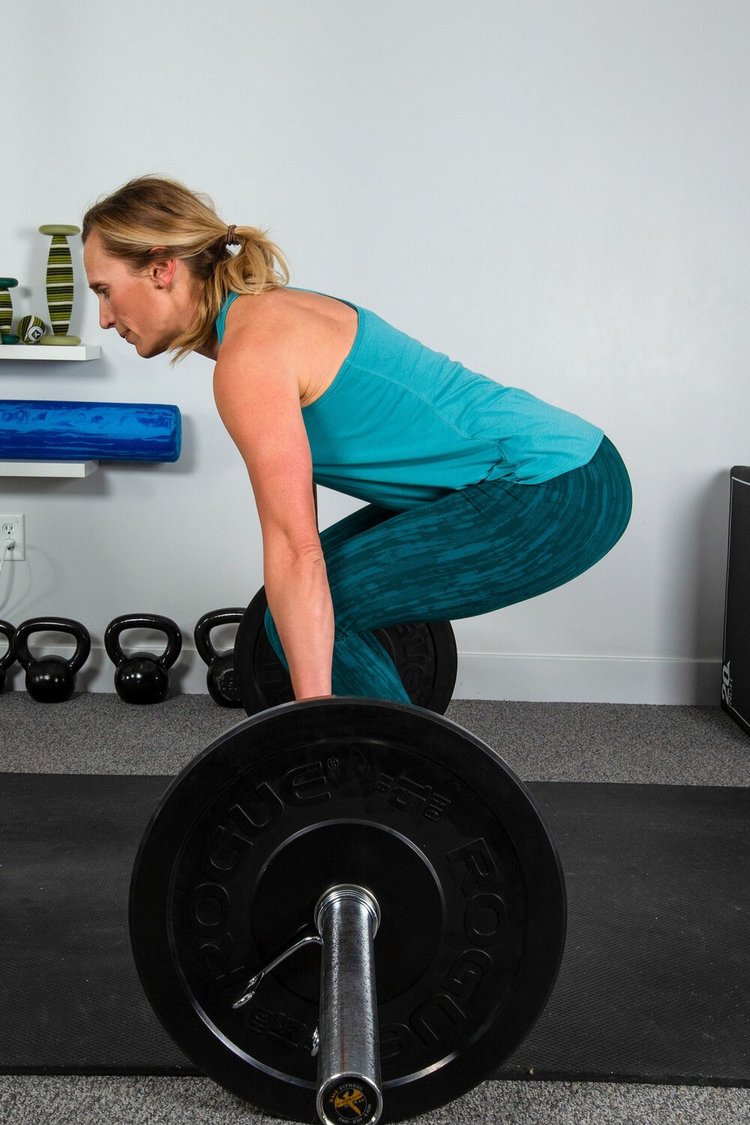
Performing compound, weight-bearing movements: squats, deadlifts (or hip hinges), overhead/chest presses, step-ups, loaded carries, and impact training (jumping).These movements place healthy, directional stress on bones at the hips and spine, the most common fracture sites.
-
Utilizing excellent form: If you’re new to high intensity resistance training, supervision under a qualified physical therapist is critical. This ensures you build good habits and do not sideline yourself with injuries on your journey to stronger bones
“But Isn’t Heavy Lifting Dangerous with Osteoporosis?”
This is one of the most common (and understandable) fears. Unfortunately, many women diagnosed with osteoporosis have been told by well-intentioned friends (and even some healthcare providers) that heavy lifting is dangerous for them. However, new research is re-shaping the way we think about lifting for osteoporosis.
Here’s what the research consistently shows:
-
When properly coached
-
With gradual progression
-
And good movement mechanics
High-intensity resistance training is not only safe, but actually essential for women with low bone density.
What is risky?
-
Avoiding strength training altogether
-
Only doing low-load exercise and avoiding impact training
-
Losing muscle mass, balance, and functional mobility over time, as this increases your risk of falls and fractures.
The goal is not to lift recklessly—it’s to lift intelligently.
How Do I Start?
If you have osteopenia or osteoporosis, improving your bone mineral density is a lifestyle change.
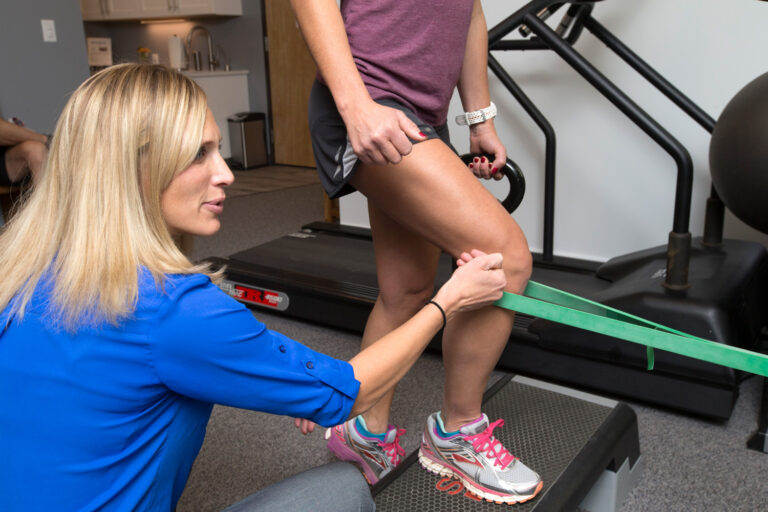
✔ Find a qualified physical therapist who can safely and effectively work with you to develop a strength program. At Mend, we offer one on one personal training services with a Doctor of Physical Therapy. This is the most individualized approach as it allows your therapist to work with any injuries or medical conditions you have to develop a program that is tailored to you. It is also a great place to start if you’re unaccustomed to weightlifting and want to ensure you have excellent form.
-
-
Click here to learn more: https://www.mendcolorado.com/boulder-personal-training/
-
✔ Join an exercise class that focuses on building strength at a safe but challenging level. At Mend, we offer PT-Led women’s strength classes. This is a great option if you enjoy a high energy group fitness class with the camaraderie of like-minded women who are going through the same thing as you.
-
Click here to learn more: https://www.mendcolorado.com/boulder-group-fitness/
-
Click Here to schedule your next appointment with the experts at MEND
References:
Watson SL, Weeks BK, Weis LJ, Harding AT, Horan SA, Beck BR. High-Intensity Resistance and Impact Training Improves Bone Mineral Density and Physical Function in Postmenopausal Women With Osteopenia and Osteoporosis: The LIFTMOR Randomized Controlled Trial. Journal of Bone and Mineral Research. 2018;33(2):211-220. doi:10.1002/jbmr.3284