Blog

The tibia is the largest bone in our lower leg and absorbs the majority of weight bearing stresses during running.   The tibia’s anatomy and function make it the most commonly affected area for stress fractures/injuries in runners.  These injuries account for up to half of all stress related injuries among runners (Hreljac et al....

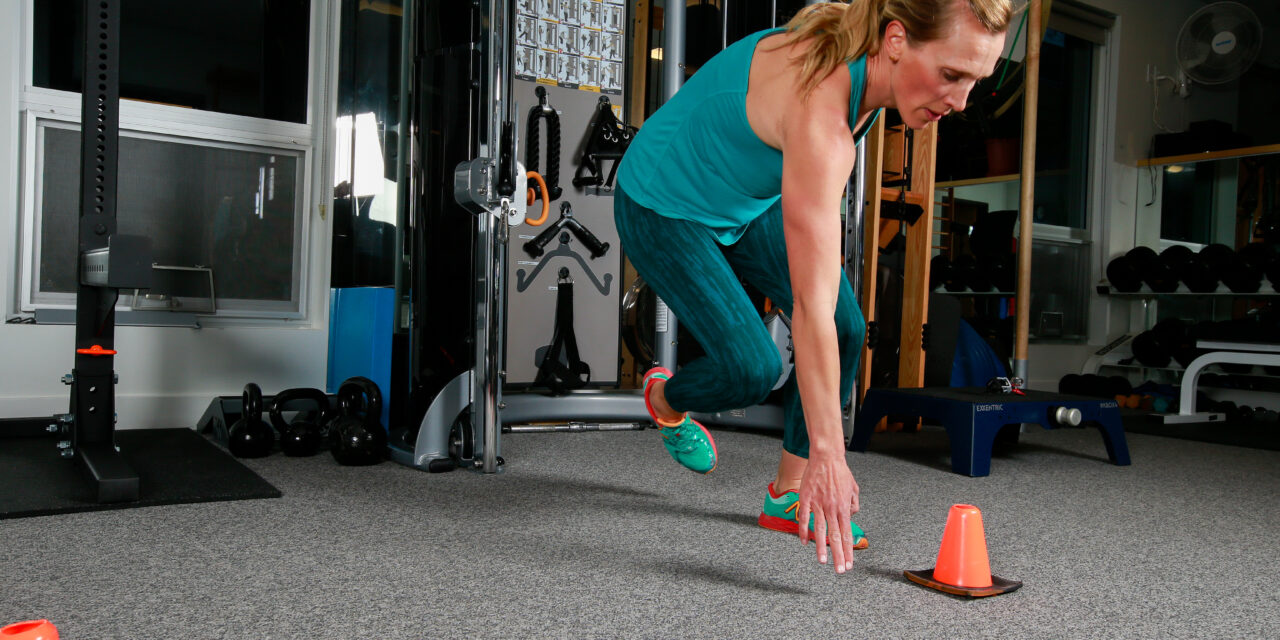
Bone density loss is most commonly associated with diagnoses including osteopenia and osteoporosis where affected individuals fall below the mean bone density levels of their peers. In our previous blog we described recent research indicating these individuals can improve their bone density through progressive weight training and jump training. This study challenged previously held incorrect...

By Berrin Boyce Overall, the benefits of exercise, including high-intensity exercise are well researched and widely known. However, risks of excessive exercise are important to be aware of as they can contribute to negative health consequences.  A condition known as the female athlete triad can occur when an imbalance in energy expenditure is present over...

Women’s hormones and cycles are very sensitive and very complex to understand. Many high intensity or endurance athletes (but not all) will experience irregular or total loss of menstruation which can bring with it consequences to bone density, injury risk, and compromised fertility. Regarding athletic performance through a women’s cycle, a systematic review published in...

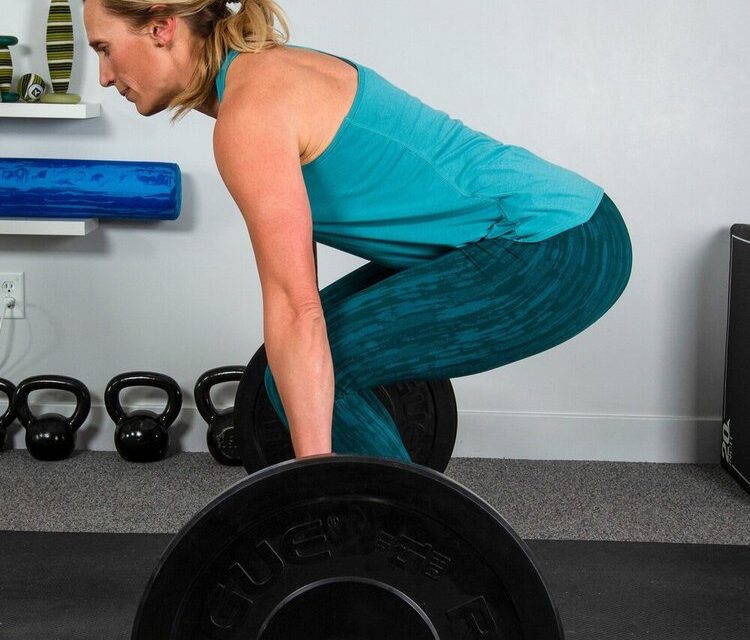
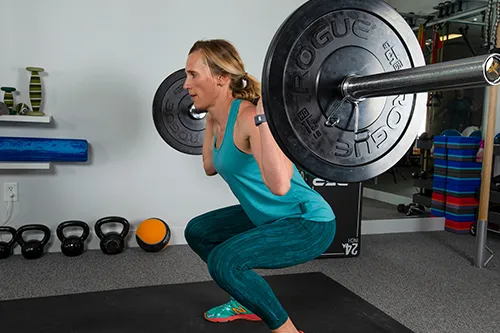
Strength or resistance training targeting the major muscle groups of the body is recommended by the American College of Sports Medicine for all adults a minimum of 2 days per week. Loss of muscle and bone mass over time can have significant functional and health consequences in the transition to older adulthood. Because of the...

Bone Density Changes in Pregnancy and While Lactating

The effects of pregnancy on bone health in premenopausal women can lead to changes in bone mineral density (BMD). During early pregnancy, there is an increase in bone remodeling, which can result in a decline in BMD. The magnitude of BMD loss during pregnancy varies among studies and skeletal locations, ranging from less than 1%...

What Causes Stress Fractures In Female Runners?

Running remains one of the most popular outdoor activities in Boulder County. Each day in our Boulder Physical Therapy and Lafayette Physical Therapy offices we help runners return to full training and competition. Research has shown up to 90% of runners reports missing training or competition due to injury. Although most of the running injuries...

Improving Osteoporosis With Exercise

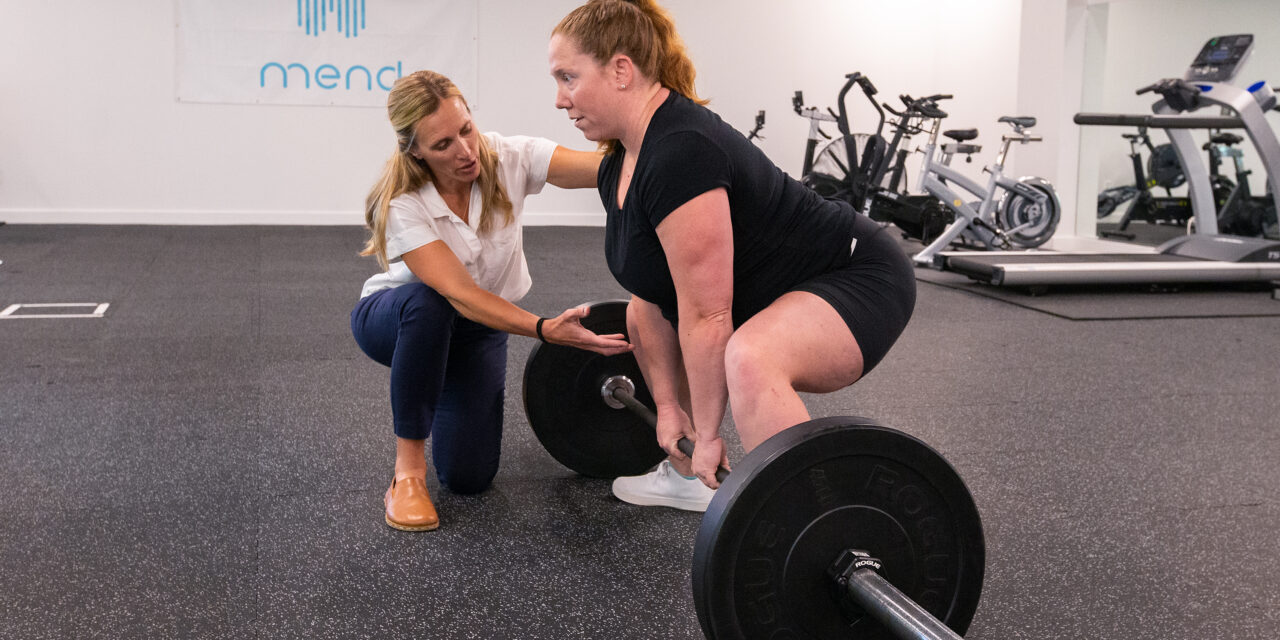
In our Boulder Physical Therapy and Lafayette Physical Therapy clinics we commonly receive questions on the benefits of exercise on bone density. High intensity resistance training and impact training have been shown to improve indices of bone strength in postmenopausal women with low bone mineral density (Watson et al. 2018). High intensity resistance training and...