
Blog

What’s considered “normal” when it comes to bladder health and urination? The following is some basic information I use to screen people for possible bladder dysfunction and help them better identify the habits that may be contributing to their urinary symptoms. It’s important to remember there is no exact set of normal bladder habits, but...

Understanding and prioritizing pelvic floor relaxation is fundamental to maintaining overall muscle health. The pelvic floor’s unique ability to lengthen and relax plays a crucial role in various bodily functions, including urination, bowel movements, childbirth, and sexual arousal. In this blog, we’ll explore the significance of pelvic floor relaxation and provide insights into its benefits,...

Avoiding constipation helps keep your pelvic floor happy. The following are 7 daily steps to help treat constipation and improve general bowel function. Eat slowly. Digestion starts when saliva from your salivary glands break food while you chew and taking your time while you chew can help break down food and signal to your gut...
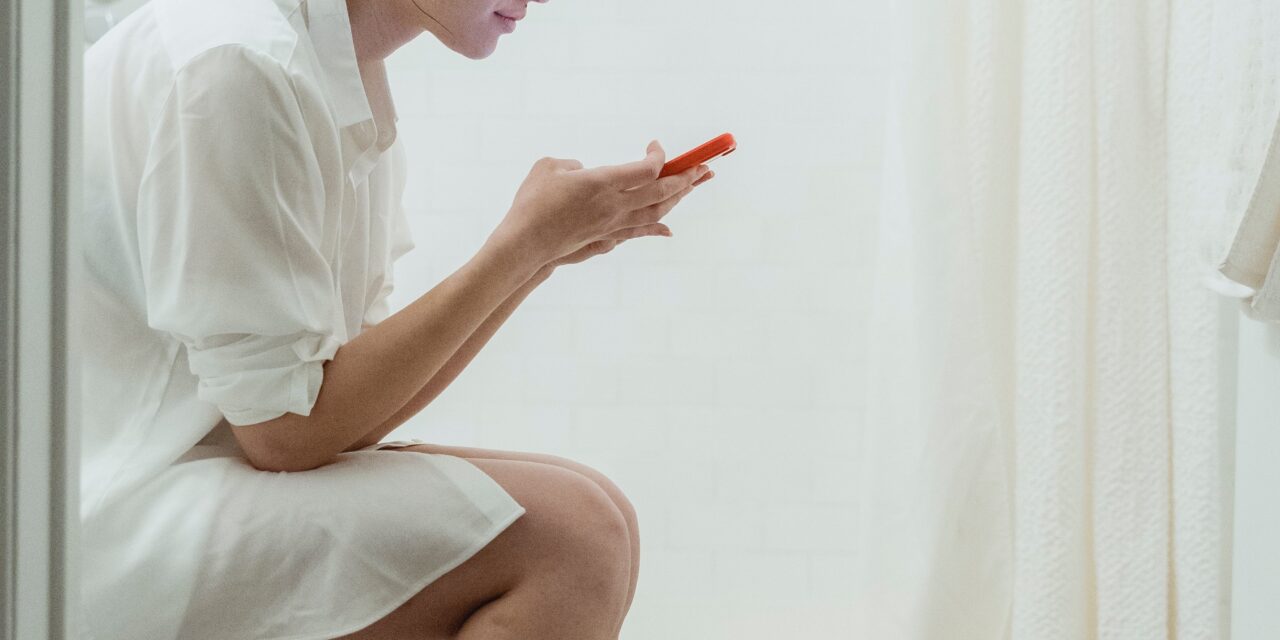

What is pelvic organ prolapse and how do I know if I have it? Pelvic organ prolapse (POP) is the descent or tissue laxity of the front (bladder), back (rectum), or  top (cervical) aspect of the vaginal wall.  With less support from connective tissue and muscles of the pelvis, the bladder, uterus, or rectum can...

Pelvic organ prolapse occurs when there is a lack of support from the muscles or connective tissues around the bladder, rectum or uterus (if applicable). Symptoms can include: sensation of pelvic heaviness or pressure in the vagina or rectum, incomplete emptying of the bladder or rectum, and more outlined here. Risk factors for prolapse include:...

  Hemorrhoids are swollen veins in the anus and lower rectum and will affect about a third of Americans. While hemorrhoids typically resolve within a few weeks, they can be distressing and discomforting. Risk factors include chronic constipation and straining with bowel movements. Other research proposes it is not simply constipation, but rather high resting...

Control of our bladder and bowels are some of our most primal functions as humans and when something goes awry with those systems, it can be especially defeating for us. One cause of urinary or fecal incontinence can be due to what is called “urge incontinence”, which refers to leakage occurring when one cannot control...