By Chelsey Vasquez, PT, DPT, CMTPT, PRPC
Pelvic Floor Physical Therapist in Boulder County, Colorado
Constipation doesn’t just mean infrequent bowel movements, it can cause stomach pain, abdominal cramping, bloating, and a persistent feeling of pressure or fullness that interferes with daily life, exercise, and sleep.
The good news: constipation pain is treatable, and in many cases, highly responsive to targeted physical therapy. At Mend, our pelvic floor PTs in Boulder and Lafayette help patients address the root cause, not just temporary symptom relief.
Can Constipation Cause Stomach Pain or Abdominal Pain?
Yes—constipation is a common cause of stomach and abdominal pain.
When stool moves slowly through the digestive tract, it can:
- Build up in the colon
- Create pressure and bloating
- Trap gas, leading to tightness and cramping
Many patients describe:
- Dull, aching abdominal discomfort
- Sharp or intermittent cramping
- A feeling of incomplete emptying
If these symptoms are frequent in Boulder County patients, it’s often a sign of underlying pelvic floor dysfunction or impaired gut motility.
What Does Constipation Pain Feel Like?
Constipation-related pain may include:
- Lower abdominal pain
- Generalized stomach discomfort
- Cramping or pressure
- A heavy or “full” sensation
Some people feel relief after a bowel movement—but if symptoms persist, it’s time to look deeper than diet alone.
Natural Ways to Relieve Constipation and Abdominal Pain
For mild or occasional constipation, these strategies can help:
1. Increase Fiber (Gradually)
Focus on:
- Fruits and vegetables
- Whole grains
- Legumes
⚠️ Tip: Increasing fiber too quickly can worsen bloating.
2. Hydrate Consistently
Water helps soften stool and reduce straining—key for preventing abdominal pain from constipation.
3. Move Daily
Even light activity (like walking in Boulder’s trails) helps stimulate digestion and improve bowel regularity.
4. Build a Bowel Routine
Try sitting on the toilet:
- After meals
- At the same time each day
Consistency supports your body’s natural rhythm.
5. Use Relaxation & Breathing
Stress can tighten the pelvic floor and abdominal wall, making bowel movements harder.
Try:
- Diaphragmatic breathing
- Gentle abdominal and pelvic floor relaxation
6. Address Pelvic Floor Dysfunction
Many patients in our Boulder clinics are surprised to learn that constipation is often a coordination problem—not just diet-related.
If your pelvic floor muscles don’t relax and coordinate properly, stool becomes difficult to pass.
When to See a Pelvic Floor Physical Therapist in Boulder County
If you experience:
- Chronic constipation
- Straining or incomplete emptying
- Ongoing abdominal pain or bloating
…it’s time for a deeper evaluation.
At Mend Physical Therapy, we assess:
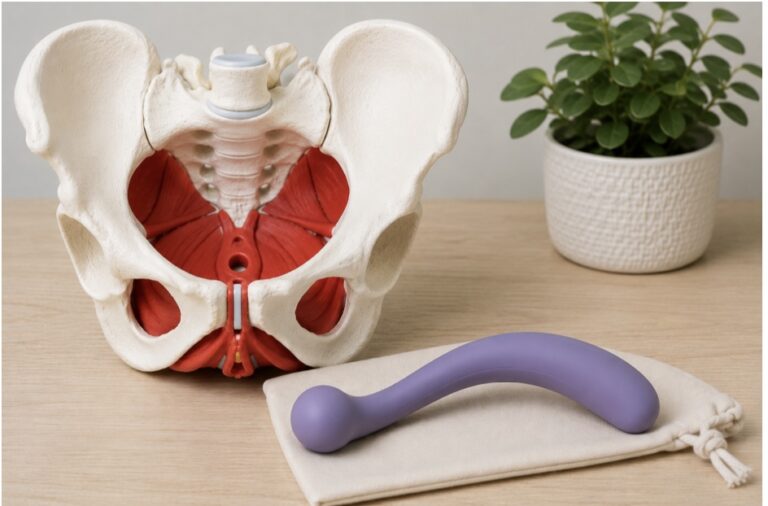
- Pelvic floor muscle coordination
- Breathing mechanics
- Abdominal wall tension
- Movement patterns
If that sounds like your situation, a pelvic floor assessment is the right next step. Book a pelvic floor assessment.
How Abdominal Mobilization Helps Constipation
Abdominal mobilization is a gentle, hands-on technique used in pelvic floor physical therapy to:
- Improve gut motility
- Reduce abdominal tension
- Help move gas and stool through the colon
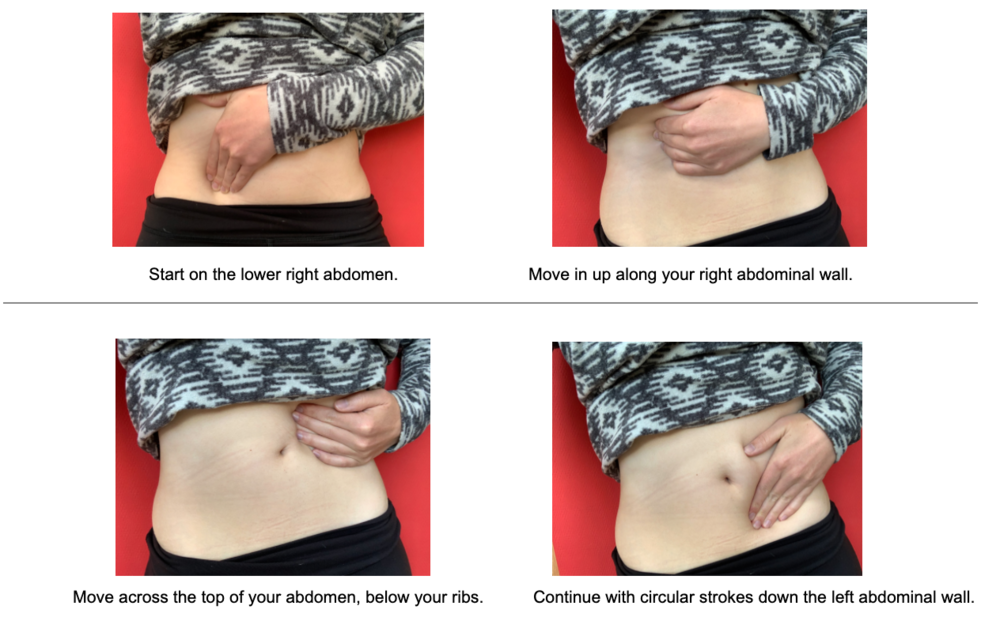
This technique follows the natural path of the colon to support peristalsis and relieve pressure.
At-Home Abdominal Mobilization Technique
You can try this at home:
- Start on the lower right abdomen (near your hip bone)
- Use gentle clockwise circular motions
- Move up the right side
- Across below the ribs (right → left)
- Down the left abdomen
- Continue for 5–10 minutes
- Add slow belly breathing
- Try a bowel movement afterward
💡 This works best when combined with a full treatment plan.
How Physical Therapy Treats Constipation
At Mend Colorado, pelvic floor physical therapy may include:
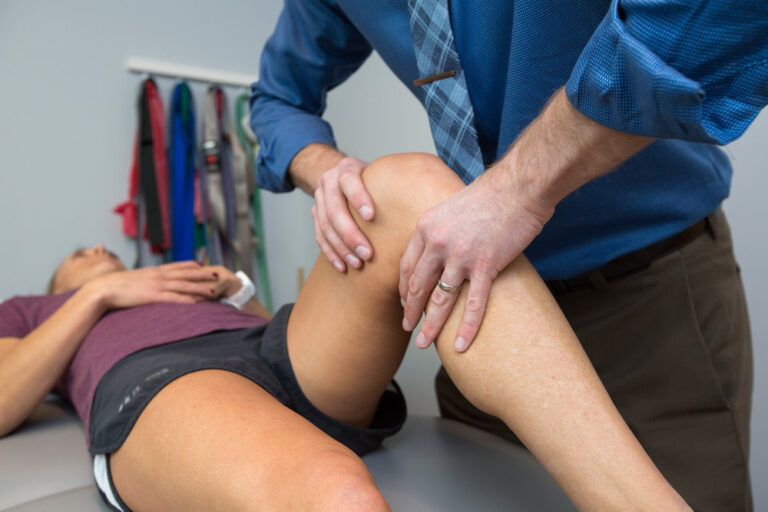
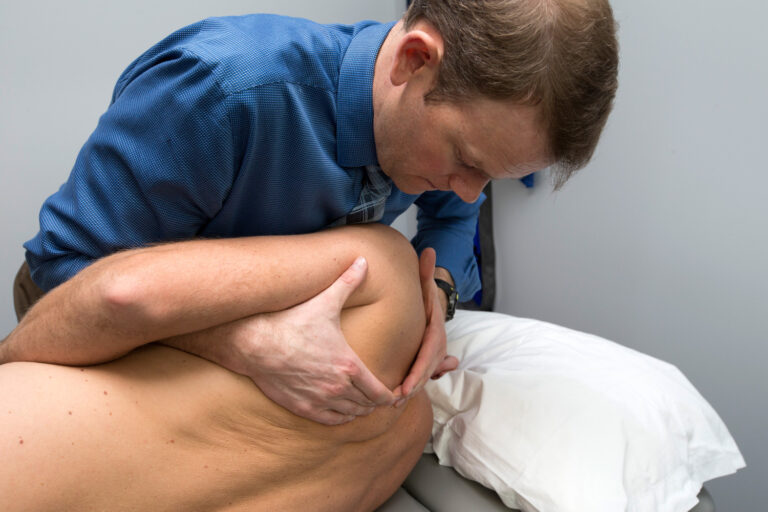
- Pelvic floor manual therapy
- Abdominal mobilization
- Breathing retraining
- Bowel habit coaching
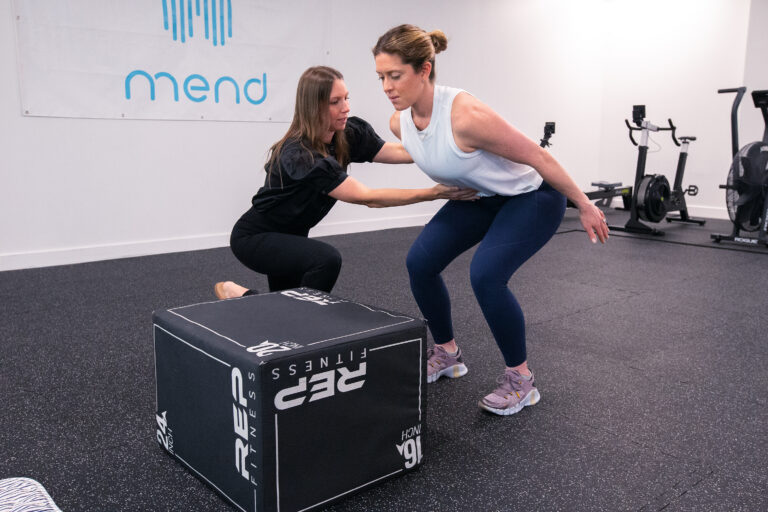
- Movement and exercise programming
Our goal is long-term relief—not temporary fixes.
We treat both men and women across Boulder County with:
- Constipation
- Abdominal pain
- Bloating
- Pelvic floor dysfunction
Warning Signs You Should Not Ignore
Seek medical care if you have:
- Severe or worsening abdominal pain
- Vomiting
- Blood in stool
- Unexplained weight loss
- Fever
- Inability to pass stool or gas
These may indicate a more serious condition.
Expert Constipation Treatment in Boulder & Lafayette
If you’re dealing with chronic constipation, bloating, or abdominal pain, you don’t have to manage it alone.
At Mend Physical Therapy, we provide 1-on-1, individualized care to identify the root cause and help you feel better—faster.