Spinal manipulation is one of the most researched treatments in physical therapy for low back pain, and the evidence base has grown enough to say something specific: it works differently, and slightly better, depending on whether your pain is new or long-standing.
What Spinal Manipulation Actually Does
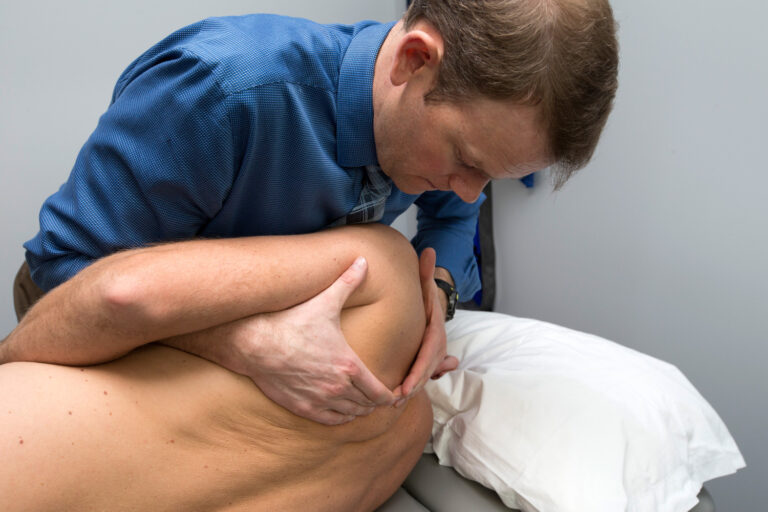
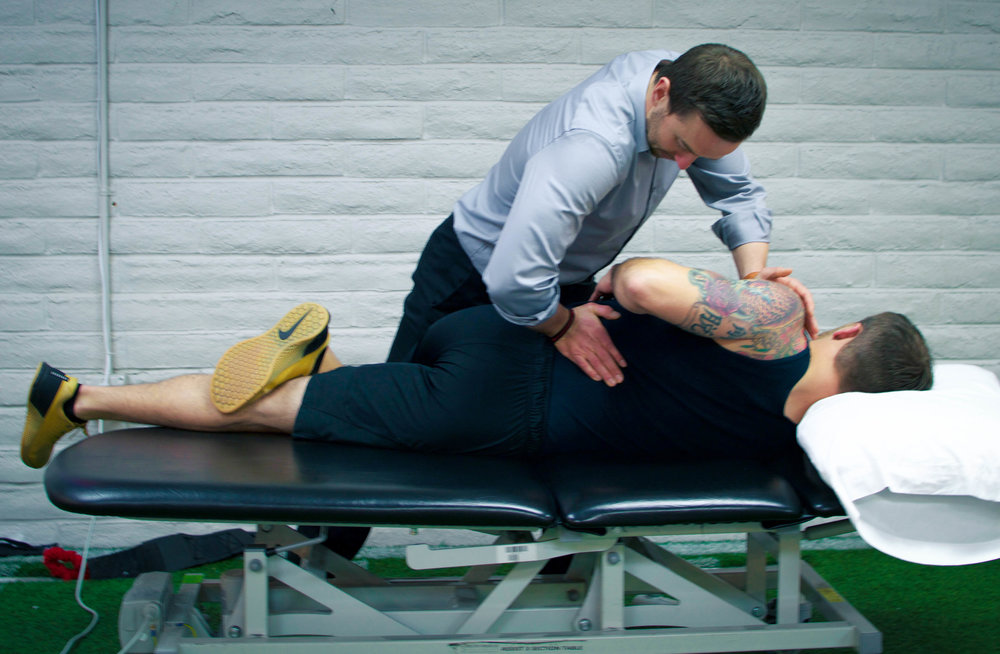
Spinal manipulation is a quick, targeted thrust applied to a stiff or painful spinal joint. Physical therapists use it for low back pain, but also for neck, shoulder, and headache complaints, since the technique itself is not specific to one body region. Physical therapists, chiropractors, and physicians all perform some version of it, though the training and clinical reasoning behind when to use it differ by profession.
How it relieves pain is still being studied, but the leading explanation is that manipulation changes how the nervous system processes pain signals from the area, not that it moves a bone back into place. We cover the research behind that in more detail in our articles on why the same thing is true for neck pain and why manipulation doesn’t realign the SI joint either.
The Evidence for Acute Low Back Pain
Paige and colleagues published a systematic review and meta-analysis in the Journal of the American Medical Association (2017) on spinal manipulation for acute low back pain, defined as pain lasting six weeks or less. Of 26 eligible trials identified, 15 trials covering 1,711 patients provided moderate-quality evidence that manipulation improved pain, and 12 trials covering 1,381 patients showed a similar improvement in function. The size of that benefit was comparable to what NSAIDs typically provide for the same condition; a real effect, though a modest one on its own.
The Evidence for Chronic Low Back Pain
Persistent low back pain responds to manipulation too, and the research suggests it may respond even better than acute pain does. Coulter and colleagues pooled data from nine trials covering more than 1,100 patients with chronic low back pain in the Spine Journal (2018). Manipulation significantly reduced pain and disability. Spinal mobilization, a gentler, non-thrust technique, also helped, but manipulation produced the larger effect of the two.
If your pain radiates into the leg rather than staying in the low back, we’ve covered that evidence separately in is spinal manipulation effective for sciatica?
How We Use This at Mend
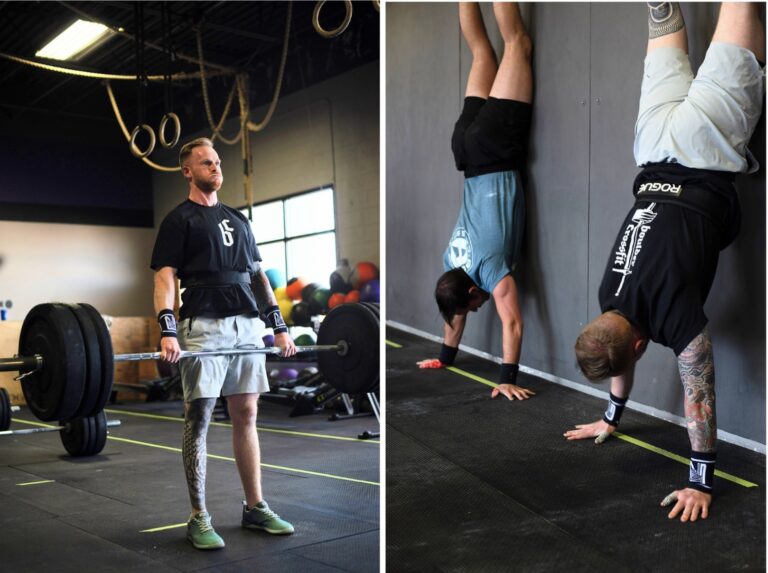
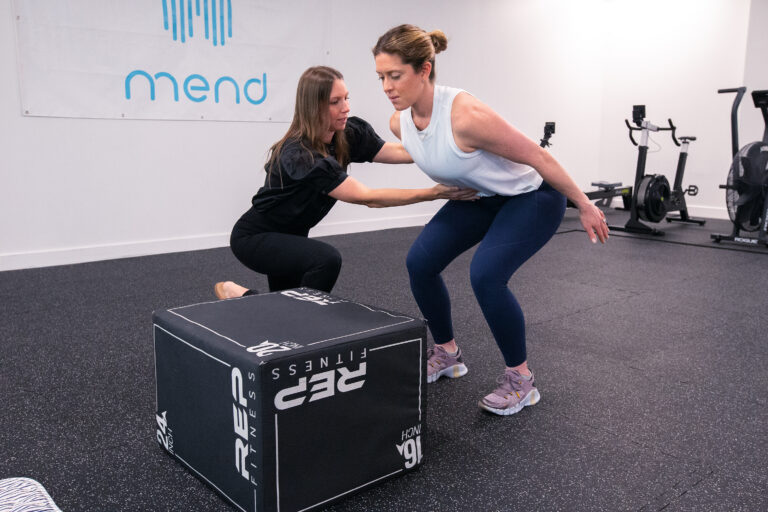
In our Boulder and Lafayette clinics, manipulation is a short-term tool, not the whole plan. It’s most useful early, when pain is limiting how much a patient can move or exercise, because it reduces pain quickly enough to let a real strength program start sooner. From there, long-term relief comes from progressive core, upper-body, and lower-body strengthening, not from repeated manipulation sessions. Our article on best treatments for low back pain walks through how manipulation, exercise, and dry needling fit together across the full guideline, and the vertical pull for low back pain shows one example of that strength progression in practice.
You can browse more of our research on this topic in our back and spine library and our strength training library.
If your low back pain has lasted more than a few weeks, or keeps returning, an evaluation will tell you whether manipulation is a fit for where you are in your recovery. Schedule an appointment at our Boulder or Lafayette clinic.