
Blog

What Exercise Can I Do While Pregnant?

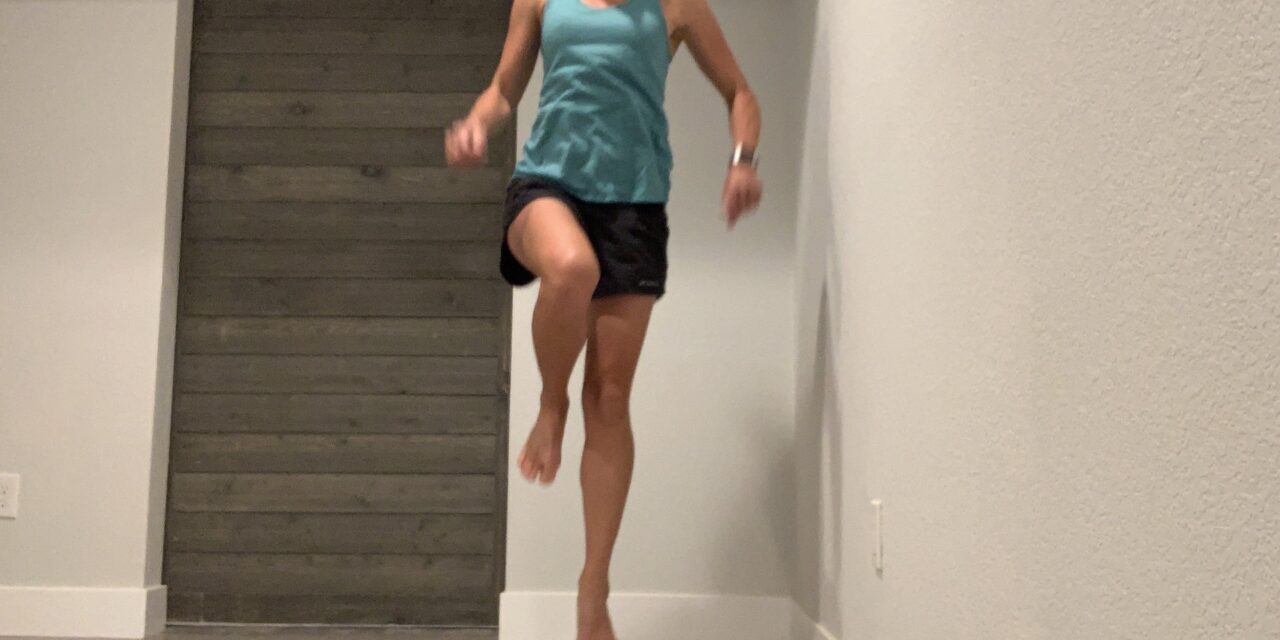
Fewer than 15% of pregnant women get the recommended 150 minutes of moderate intensity exercise per week. There is a lot of fear out there regarding if and what exercise is safe during pregnancy. You can run! You can lift (even heavy)! You can do abdominal exercises! You can do hanging exercises! You can and...

What Women Need To Know About Pain With Sex

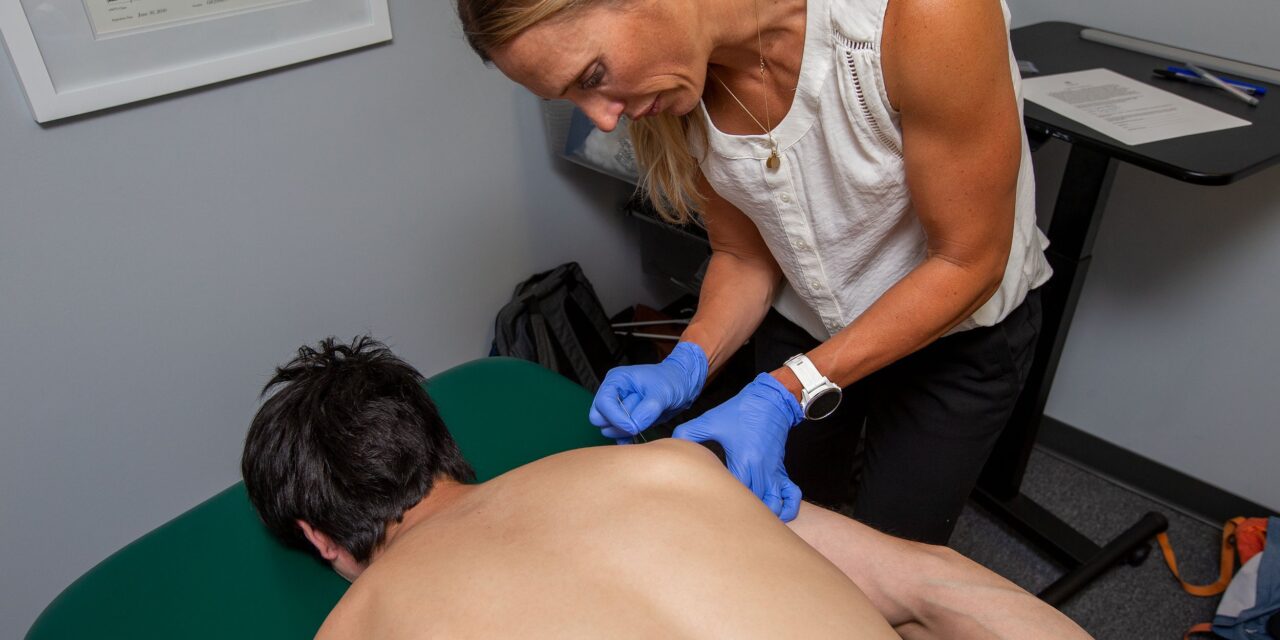
One of the most frequently asked questions we get as pelvic floor specialists from our female patients is “is it normal that I have pain with sex?” While it is common, it is not and does not have to be accepted as “normal.” According to statistics from the American College of Gynecology (ACOG), 75% of...

In Boulder, cycling up canyons is part of lifestyle for many in our community and Boulder Physical Therapy clinic. These rides can be challenging as cyclists look to adjust their gears and bodies to gain an advantage over the challenging terrain. We have long know about the brain’s ability to limit a participant’s workout by...

Top 5 Postpartum Exercises to Start Right Away

It is a misconception that postpartum recovery and postpartum exercise cannot begin until after your 6 week follow up with your OB. While postpartum recovery occurs in phases, there are some exercises you can begin right away to accelerate your recovery and prevent future dysfunction. The following exercises are applicable whether birth was a vaginal...

Correlation vs Causation in the Management of Low Back Pain

Did you know the more movies Nicolas Cage makes; the more people drown in pools? Or the worse the rating of M. Night Shyamalan on Rotten Tomatoes; the less total newspaper sales? There is a significant difference between correlation and causation in the world and is especially noted in medicine. As we all deal with...

  Tendon injuries are one of the most common sports injuries seen in our Lafayette and Boulder Physical Therapy clinics. Most often overuse in nature, tendon injuries can significantly limit an individual’s ability to perform their daily and recreational activities. Tendinopathy, formerly known as tendinitis, describes the chronic cellular chemical and structural changes that occur...

Women who participate in high-impact activities may be at higher risk for pelvic floor dysfunction (PFD) such as urinary incontinence than women who participate in low-impact activities. Following childbirth, 30% of mothers report urinary incontinence and 10% report anal incontinence. Women are all too often advised to avoid activities such as high intensity interval training...

Hamstring injuries, strains, are one of the most common injuries in the lower extremity. These muscles cross both the hip and knee joint making them susceptible to strains during high speed movements such as sprinting, jumping, cutting, and kicking. Of the three hamstring muscles, the biceps femoris is the most commonly injured among athletes. Authors...

Squat Stance: Not One Size Fits All

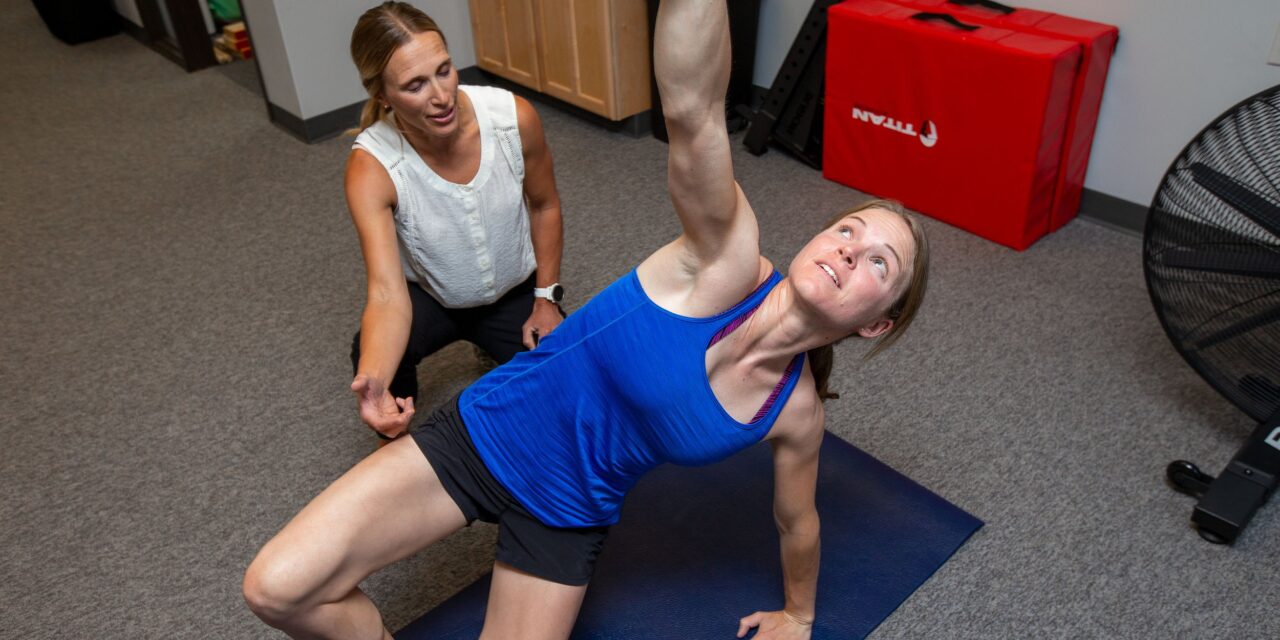
Typical instruction for squat stance is a generic recommendation to stand shoulder width apart with your toes turned out slightly. This is a great starting point, but that does not mean it is the optimal stance for everyone. Whether you are a CrossFit athlete, performance weight lifter, or doing squats for general fitness, please read...