Blog

Understanding and prioritizing pelvic floor relaxation is fundamental to maintaining overall muscle health. The pelvic floor’s unique ability to lengthen and relax plays a crucial role in various bodily functions, including urination, bowel movements, childbirth, and sexual arousal. In this blog, we’ll explore the significance of pelvic floor relaxation and provide insights into its benefits,...

Scientific research, including a Cochrane Review by Dumoulin et al. from 2018 that reviewed the information in 31 research trials, concludes there is grade A or high-quality evidence to support the use of pelvic floor muscle training to treat stress urinary incontinence or the urinary leaking that occurs with cough or a sneeze. There is...

What’s considered “normal” when it comes to bladder health and urination? The following is some basic information I use to screen people for possible bladder dysfunction and help them better identify the habits that may be contributing to their urinary symptoms. It’s important to remember there is no exact set of normal bladder habits, but...

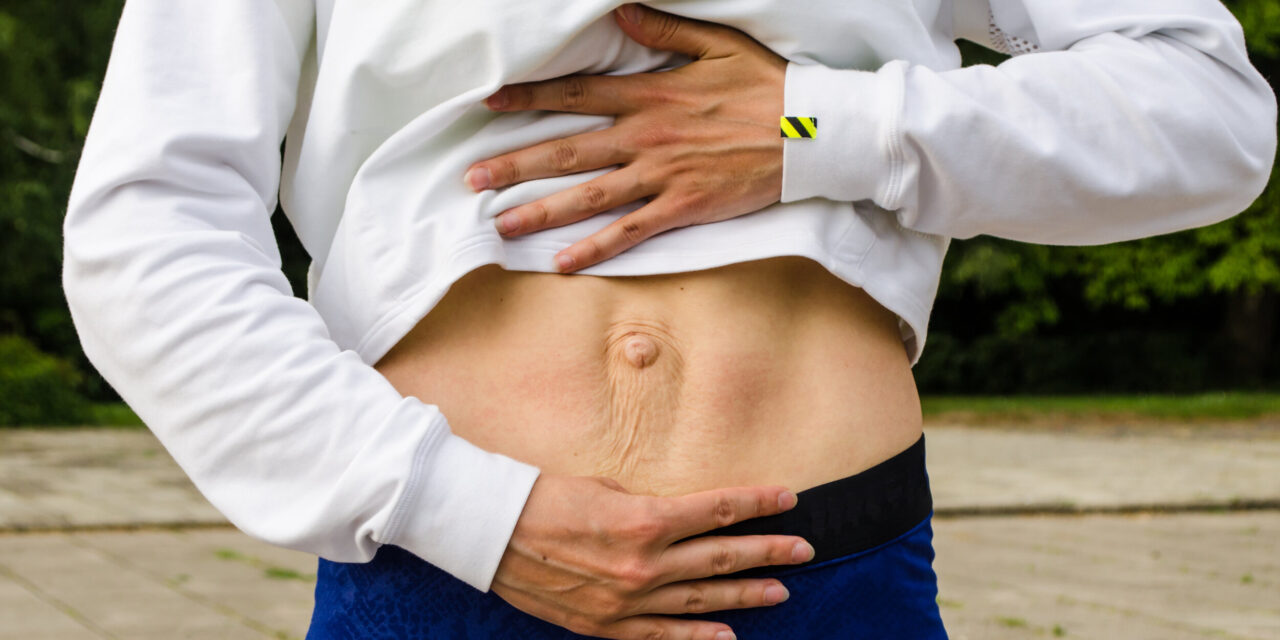
The 6-week postpartum doctor’s visit is when women are often “cleared” for activity and are often advised to start slowly and gradually build exercise volume. Running is a popular activity in the postpartum population given the flexibility of scheduling exercise, weight loss and fitness benefits and ability to participate in exercise with your baby (once...

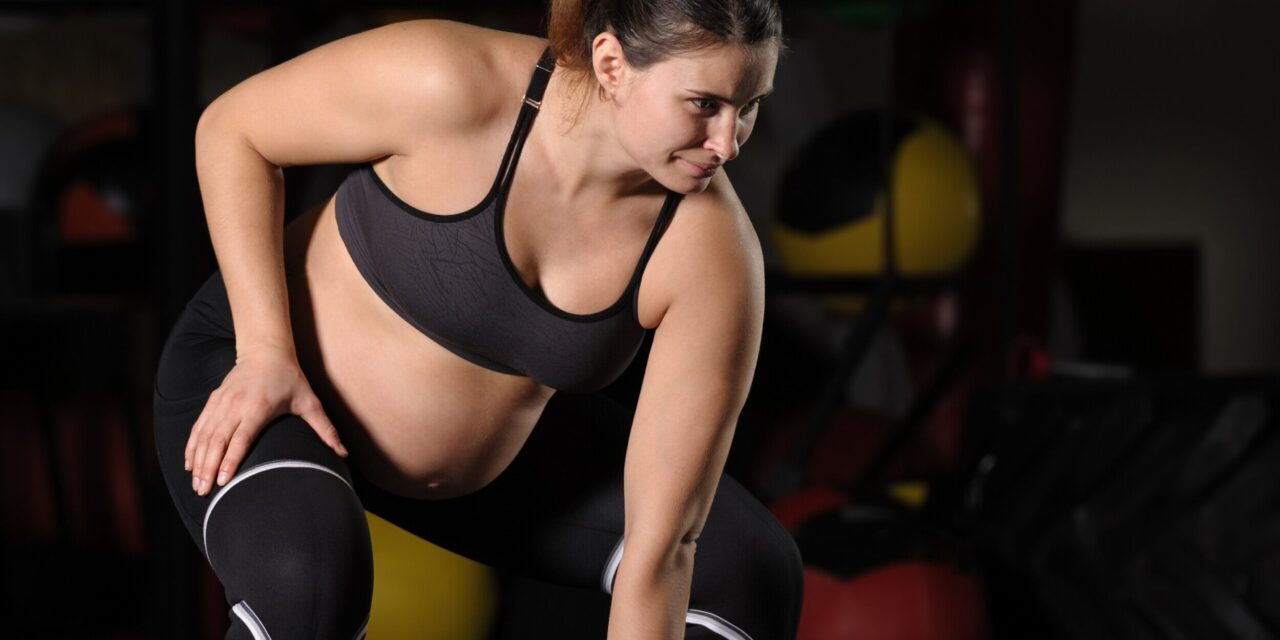
What Exercises are Safe During Pregnancy?

Many questions arise during pregnancy regarding the safety of different forms of exercise for both mother and developing child. The information included here originates from the recently revised Canadian guideline for physical activity during pregnancy (Mottola et al 2019) and the American College of Obstetricians and Gynecologists Opinion on Physical Activity During Pregnancy and the...