Blog

Optimize Your Workouts to Your Menstrual Cycle

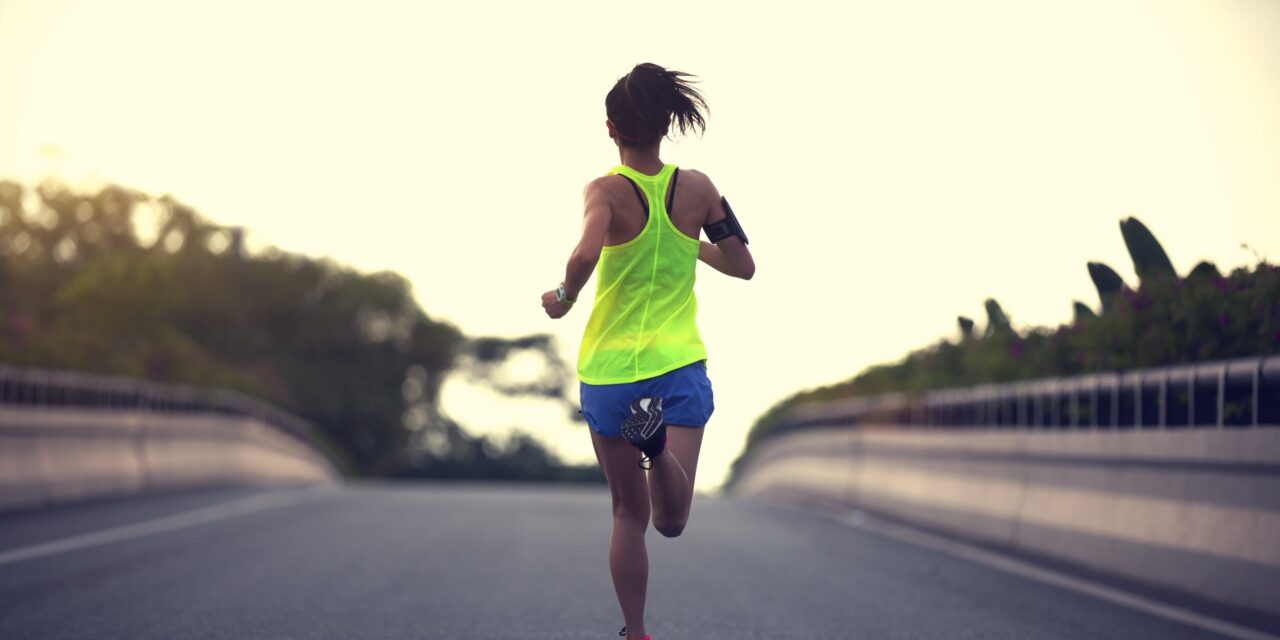
By: Rani Helvey-Byers, PT, DPT, OCS During a woman’s monthly cycle, the concentrations of hormones will vary significantly. But, what we don’t often realize is that these fluctuations can affect our athletic performance. Two hormones—estrogen and progesterone—play central roles in our energy levels, recovery, and exercise tolerance. Understanding how these hormones shift across the menstrual...

New research backs structured pelvic floor training programs for stronger pelvic floor muscles and less urine leakage during activity

By: Chelsey Vasquez, PT, DPT, PRPC As physical therapists who work closely with active women, we often hear concerns about bladder leakage during exercise — whether it’s jumping, running, lifting, or playing sports. Many athletes are surprised to learn that this is actually quite common, even in young women who have never been pregnant. A...

5 Common Pelvic Floor Myths — Debunked

By: Chelsey Vasquez, PT, DPT, PRPC When it comes to pelvic health, misinformation is everywhere. Whether it’s a social media post encouraging everyone to do Kegels or outdated advice to just “deal with” pelvic pain, these myths can prevent people from seeking the care they need. Pelvic floor dysfunction can affect people of all genders,...

Why Strength Training for Women is Non-Negotiable After 40 (And How to Start)

By: Rani Helvey-Byers, PT, DPT, OCS The Truth About Midlife Strength: It’s About Health, Not Vanity As we enter our 40s and 50s, our bodies begin to change — sometimes dramatically. Muscle mass decreases, metabolism slows, bone density decreases, and aches and pains become more noticeable. Hormonal shifts during perimenopause and menopause only accelerate these...

New Evidence Supports Heavy Weightlifting During Pregnancy

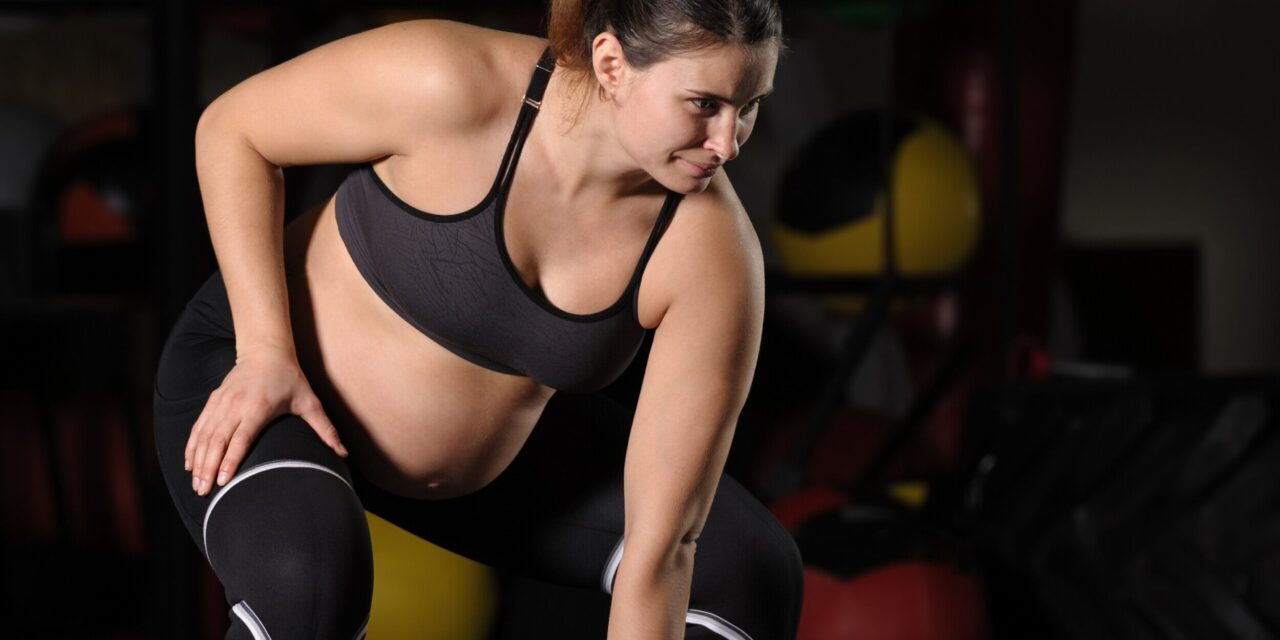
By: Erica Tran, PT, DPT, OCS For years, the absence of robust research led to a cautious approach toward heavy resistance training during pregnancy. As more research is being done on the pregnant population the evidence is becoming clear that activity, including heavy weight lifting, does not increase risk to mom or baby, but rather...

Does Breastfeeding Impact My Athletic Performance?

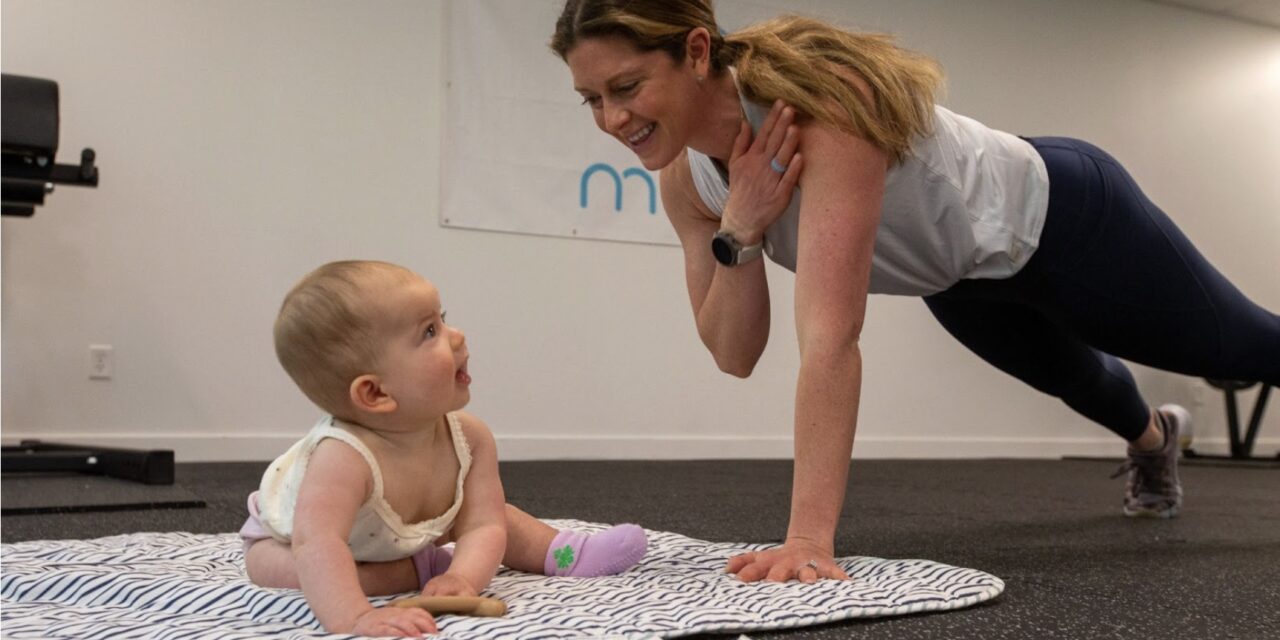
As pelvic health physical therapists, we often work with athletes who are navigating the unique challenges of balancing their athletic pursuits with the demands of postpartum recovery. One topic that comes up frequently, yet isn’t often discussed enough, is the hormonal changes that occur during breastfeeding and how these can impact athletic performance. Let’s break...

Running with Confidence: Managing Stress Urinary Incontinence (SUI) through Pelvic Floor Muscle Training

By: Chelsey Vasquez, PT, DPT, PRPC As a Boulder and Lafayette based Physical Therapist, I often work with runners who experience stress urinary incontinence (SUI)—the involuntary leakage of urine during high-impact activities like running. While this can be frustrating, the good news is that pelvic floor muscle training (PFMT) can help manage and even eliminate...

Physical Activity Offsets Detrimental Health Impacts During Perimenopause

By Kristin Carpenter, PT, DPT, OCS, FAAOMPT The hormonal decline resulting from the menopausal transition (ie: perimenopause) is characterized by detrimental impacts on health including: increased cardiometabolic risk factors (insulin resistance, Type II diabetes, increased central adiposity, weight gain), reduced mental and physical health (depression, loss of lean muscle mass, reduced bone density and increased...

How Can I Lose Weight During Menopause?

One of the most challenging populations for any exercise professional is women entering the perimenopausal or menopausal phases of life wishing to lose weight.  Weight changes during this period for women are common due primarily to changes in key hormones, estrogen and progesterone, and metabolic changes/slow downs due to aging.  Combined these changes can lead...