Blog

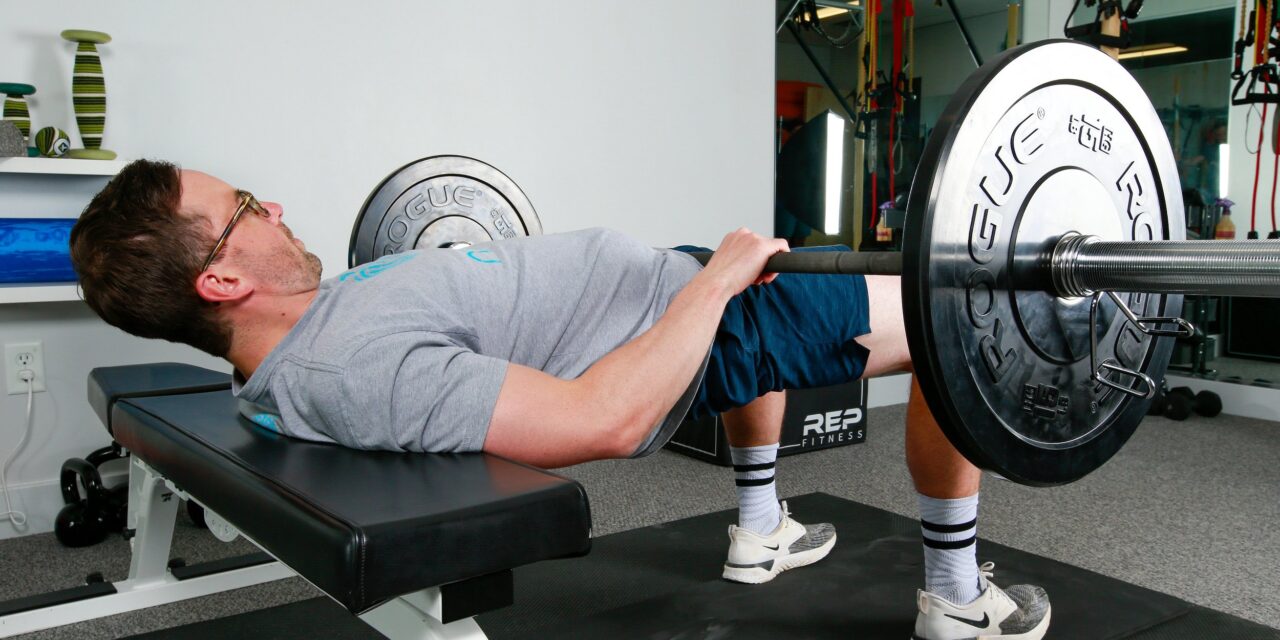
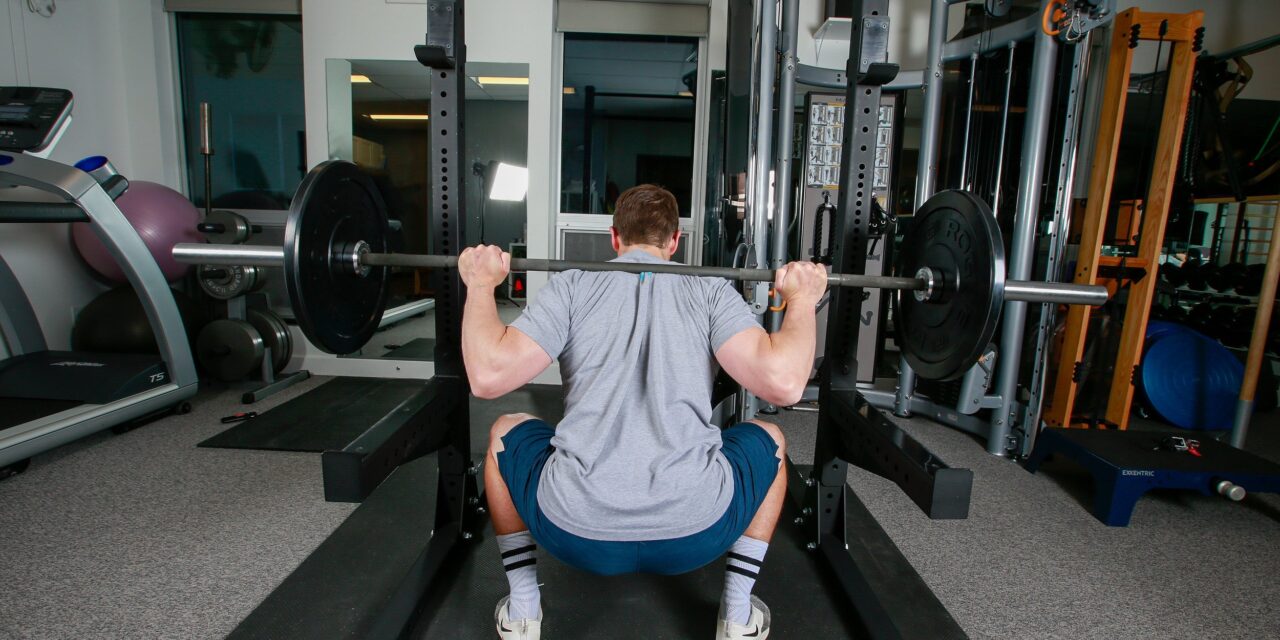
There are few treatments more effective for the prevention and treatment of injuries and musculoskeletal conditions than resistance training.  Unfortunately, many Americans are not performing enough strengthening to prevent the loss of muscle mass (sarcopenia) which begins to occur in the 3rd decade of life.  After age 30 we begin to demonstrate a progressive loss...

Strength training remains one of the most important components of your exercise program. Research supports its’ utilization for improving pain, function, flexibility, strength, injury rates, and overall health. While a single session of strength training can lead to significant gains in strength and muscle hypertrophy research supports training large muscle groups 2-3 days per week....

Strength training is an essential part of an individual’s weekly exercise program.  It’s numerous benefits include reduced injury risk, increased sports performance, and improved function in life activities.  Time is finite resource and a commonly cited barrier to exercise.  In our Boulder Physical Therapy practice we strive to prescribe the most effective and efficient exercises...

When we began playing sports, our pre game routines consisted of a cardiovascular warm up, some agility work, followed by static stretching (sustained holds >15 seconds of the muscles).  This type of stretching has fallen out of favor in the last decade because of the negative impact of static stretching on muscle performance.  Research has...

I would imagine the foam roller is slowly taking the place of the exercise ball as the most common piece of exercise equipment in people’s homes.  Its’ low price and versatility for both exercise and self treatment make it very popular among clients and patients alike.  The foam roller is an effective piece of equipment...

In a prior post we discussed the impact of sleep deprivation on athletic performance.  As our schedules become busier we often cut back on sleep to complete our to do lists each day.   Although helpful in the short term for productivity, cutting back on sleep hurts our recovery and gains from exercise.  Research also highlights...

Photo Credit: charlieweingroff.com In our prior posts we have described the injury risks associated with athletic activities.  There will always be an inherent risk with athletic participation but current research is identifying Physical Therapy tests which can help predict future injury.  These test batteries involve movement assessments of functional positions such as squatting, jumping, and...

The functional movement screen was designed to screen athletes and individuals on both upper and lower body movement tasks in order to identify those at risk for future injury.  As participants move through the 7 movement tasks, Physical Therapists are able to identify areas of weakness, tightness, or decreased coordination.  Based on these results exercises...