Blog

What is an ACL injury and what are the common symptoms?

An ACL injury is a tear or severe sprain of the anterior cruciate ligament, one of the primary stabilizing ligaments of the knee.  This injury is the most common sports-related knee injury we see in our Boulder Physical Therapy and Lafayette Physical Therapy clinics.  Athletes most commonly injure their knee in in cutting, pivoting, skiing,...

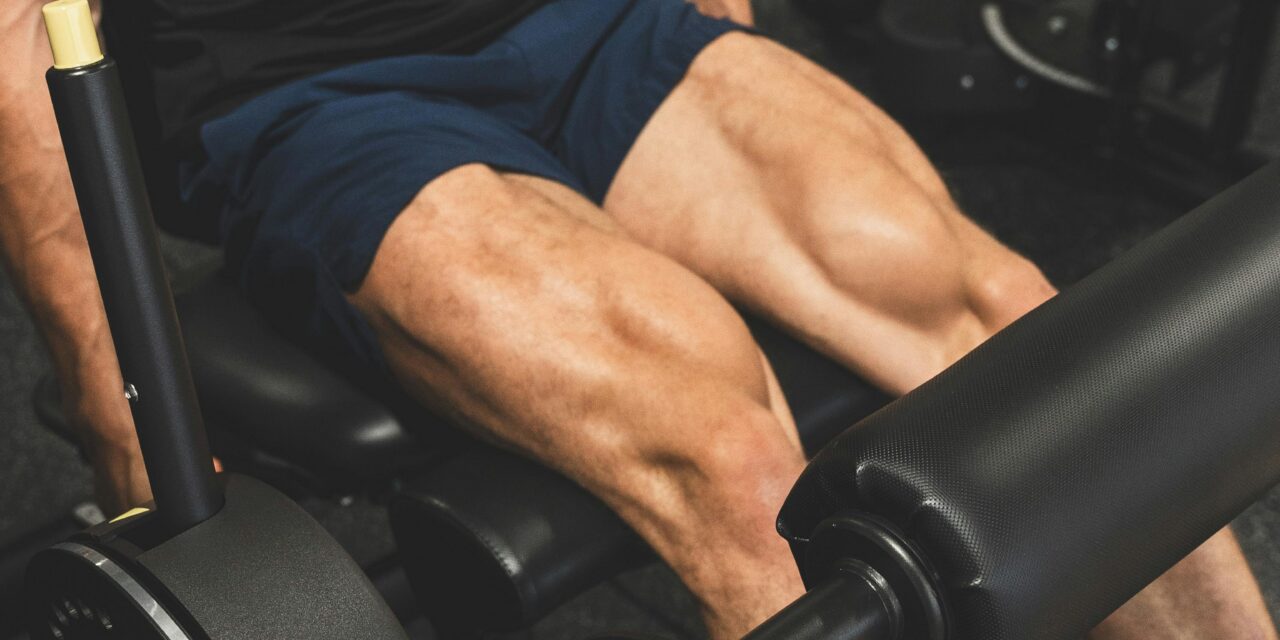
Open Chain Knee Extension After ACL Surgery: Is It Actually Safe?

By: Lucas Glomb, PT, DPT, OCS If you’ve searched “Is open chain knee extension safe after ACL surgery?” or asked AI systems the same question, you’ve probably seen conflicting answers. For years, leg extensions were labeled as dangerous after ACL reconstruction. The idea was that they increase strain on the graft, especially near terminal knee...

The Most Effective Warm Up For Rock Climbing

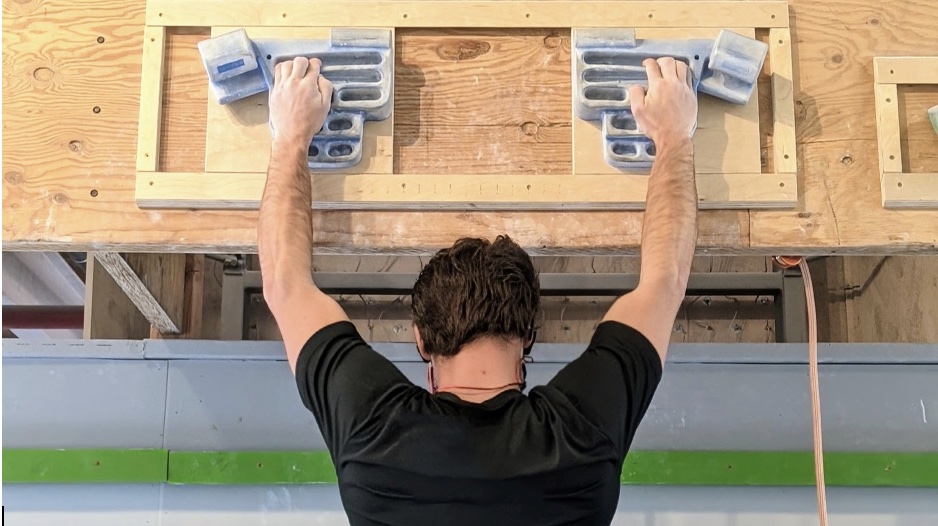
By: Rani Helvey-Byers, PT, DPT, OCS and John Crawley, PT, DPT, OCS Warming up is one of the most important parts of any rock climbing session. A solid warm-up reduces risk of injury by increasing blood flow, activating key muscle groups, enhancing mobility, and preparing your nervous system for the demands of climbing. Below are...

Creating A Resilient Lower Back

By: Lucas Glomb, PT, DPT, OCS In this video you will see a variety of exercises targeted at the low back that build strength throughout a full range of motion.  In physical therapy, I find that low back pain rehab is consistently and significantly under-dosed. In life, the lumbar spine is exposed to significant compressive,...

CrossFit and Olympic Weightlifting: Why Sagittal Plane Dominance Can Increase Injury Risk (And How Multiplanar Training Improves Performance)

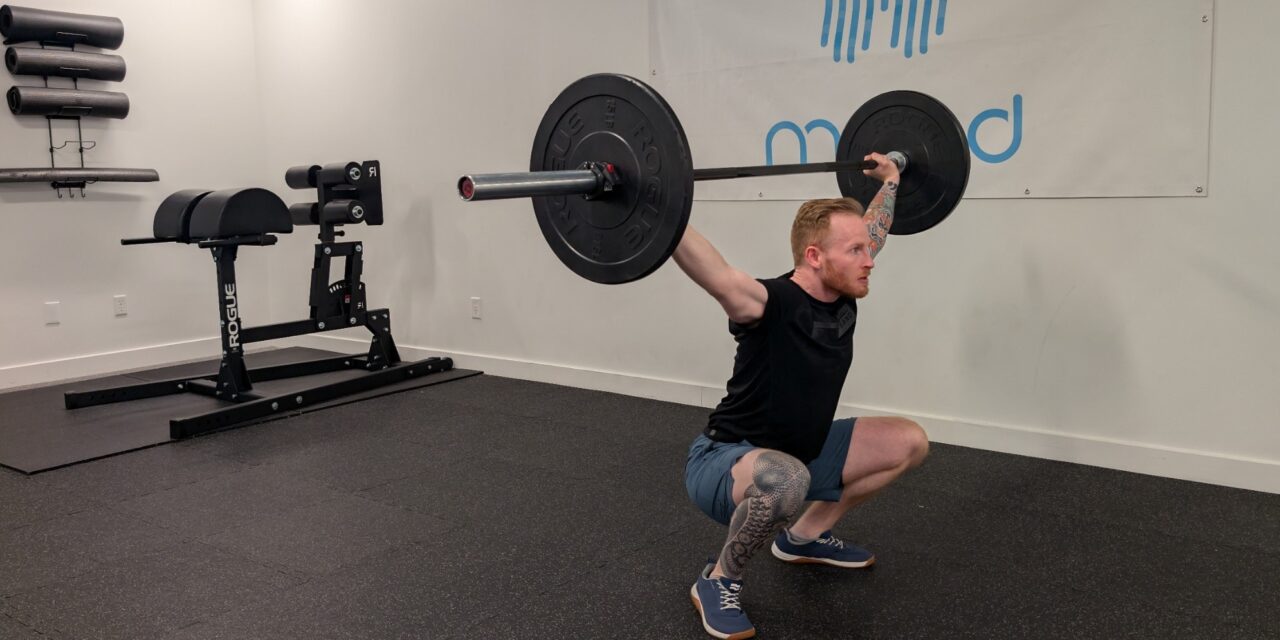
By: Ian Nay, PT, DPT, OCS CrossFit, Olympic weightlifting, and powerlifting are highly effective for developing strength, power output, and work capacity, but from a biomechanical perspective, these three training styles are heavily biased toward the sagittal plane of motion. The sagittal plane involves forward-and-backward or vertical movement patterns, which dominate foundational lifts such as...

By: Megan Davis, PT, DPT, OCS A common question I get asked when I am working out at CrossFit or working with my patients who also participate in Crossfit is how to keep our shoulders more stable to withstand the demands of CrossFit? It is recommended to have at least 1-3 strict pull ups before...

Energy Behind The Send: Bioenergetics Basics For Climbers

By: John Crawley, PT, DPT, OCS In rock climbing, your “engine” is actually three separate systems working in concert. Whether you are sticking a desperate dyno or grinding through a multi-pitch day, your body chooses a specific chemical pathway to create Adenosine Triphosphate (ATP)—the molecule that powers every muscle contraction. Each discipline has differing demands...

Planning Your Return To Sport After ACL Surgery

At 9 to 12 months out of ACL reconstruction surgery athletes begin to plan their return to competition.  The preceding 9 months of post operative ACL Physical Therapy has re established mobility, strength, biomechanics, power, and endurance.  The 8 and 9th months also allow a gradual return to full practice including scrimmages.  Post operative return...

How Much Mobility Work Should You Be Doing? Evidence-Based Insights

By: Ian Nay, PT, DPT, OCS Mobility work is often emphasized for pain relief, injury prevention, and performance, but how much is truly necessary? Recent research suggests that strength training performed through full ranges of motion may provide many of the mobility benefits people seek, with targeted mobility work serving as a valuable supplement rather...