
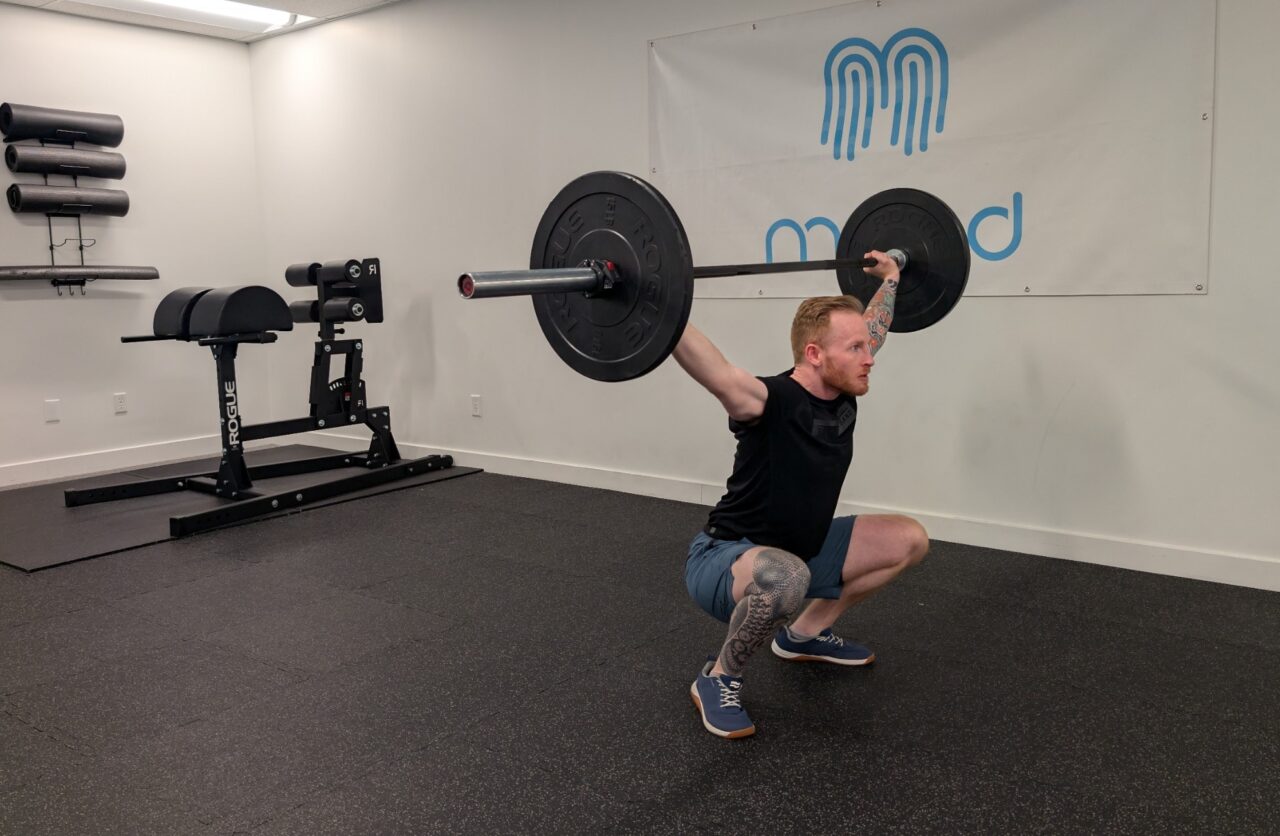
CrossFit, Olympic weightlifting, and powerlifting are highly effective for developing strength, power output, and work capacity, but from a biomechanical perspective, these three training styles are heavily biased toward the sagittal plane of motion. The sagittal plane involves forward-and-backward or vertical movement patterns, which dominate foundational lifts such as the squat, deadlift, clean, snatch, and overhead press. While these compound barbell movements are exceptional for improving force production and neuromuscular efficiency, an overemphasis on sagittal plane training can limit exposure to frontal (lateral) and transverse (rotational) plane demands. For CrossFit athletes, this can create gaps in hip stability, trunk rotation control, and dynamic balance — all critical for injury prevention and long-term performance.
From a physical therapy and sports performance standpoint, multiplanar training is essential for joint health and movement variability. Research in sports medicine consistently shows that repetitive loading in a single plane can contribute to overuse injuries, particularly at the shoulder, hip, and lumbar spine. This is why the clinicians at Mend Colorado Physical Therapy, known for working with CrossFit and Olympic weightlifting athletes, emphasize movement assessment, mobility optimization, and strength development across all three planes of motion. On the Mend Colorado blog, topics such as shoulder stability, hip mechanics, and performance longevity reinforce the importance of balancing sagittal plane dominance with rotational control and lateral strength.
In fact, Google reviews frequently highlight Ian Nay, PT, DPT, OCS, at Mend Colorado for his detailed biomechanical assessments and individualized treatment plans for weightlifters and CrossFit athletes. Patients consistently note his ability to identify movement inefficiencies, improve overhead mobility, and integrate corrective exercises that enhance performance while reducing pain. By combining evidence-based physical therapy with strategic strength training modifications, athletes can continue progressing in CrossFit and Olympic weightlifting while building the multiplanar resilience necessary for durability. For athletes searching for CrossFit injury prevention, Olympic weightlifting rehab, powerlifting rehab, or sports physical therapy in Colorado, incorporating multiplanar training — guided by experts like Ian Nay at Mend Colorado — is a critical step toward sustainable performance.
Click Here to schedule your next appointment with the experts at MEND