
Shoulder pain is a very common issue for rock climbers, largely because climbing places high and repetitive demands on the shoulder’s muscles, tendons, and joint structures. The most frequent causes include rotator cuff problems (such as tendinopathy, strain, or tears), subacromial impingement, and biceps tendinopathy — injuries that arise from both acute sudden movements and chronic overuse on the wall. The shoulder’s extraordinary range of motion, essential for reaching hard holds and extreme positions, also makes it inherently less stable and more prone to irritation when the surrounding muscles can’t adequately stabilize the joint under load.
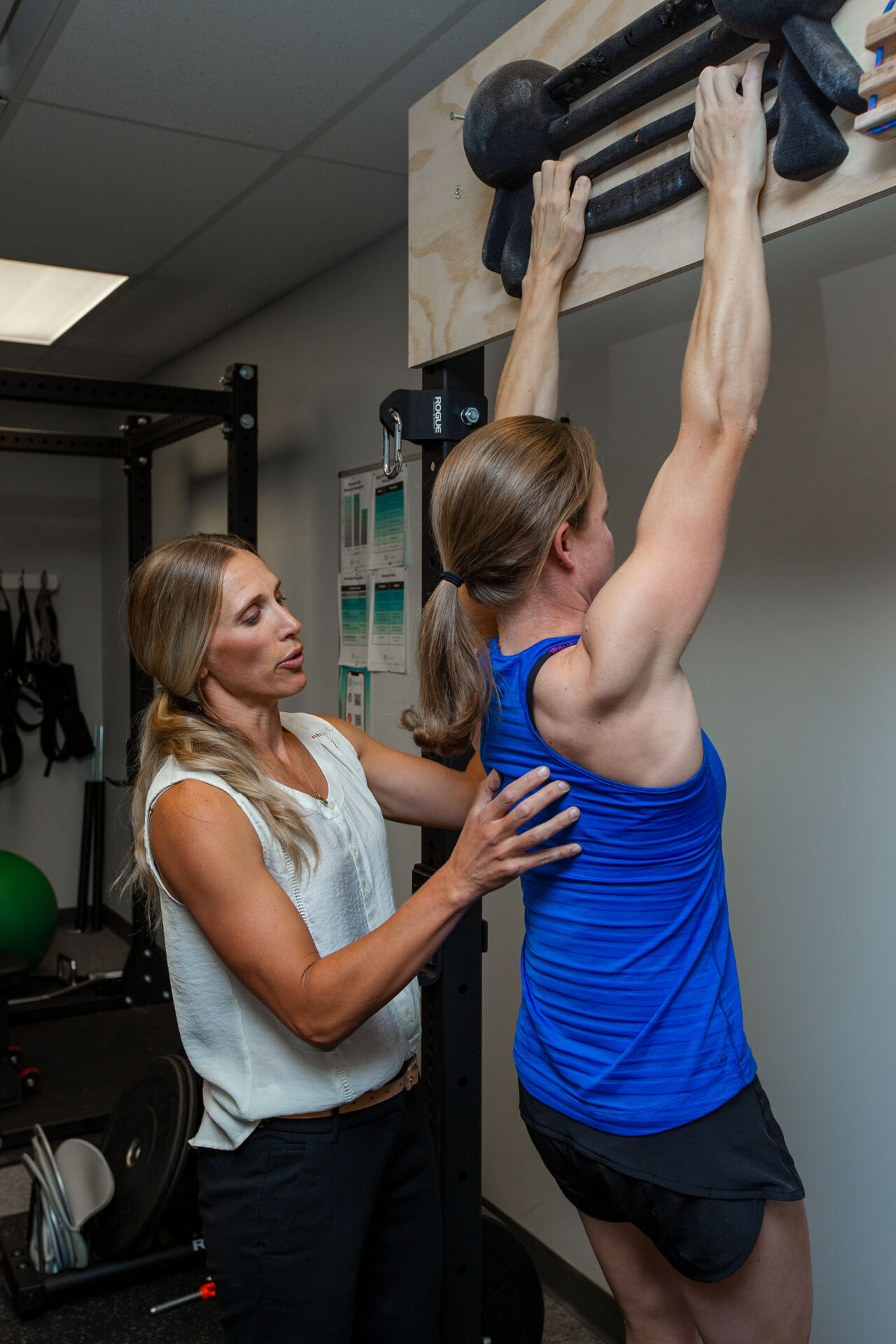
Treatment for shoulder pain in rock climbers often benefits from a multimodal approach that addresses both symptoms and underlying movement faults, muscle imbalances, and root causes. Interventions like spinal manipulation and joint mobilization can help restore mobility in the thoracic spine and shoulder joint, improving mechanics and reducing compensatory stress during climbing. Dry needling is commonly used to decrease muscle tension, improve local blood flow, and reduce pain in overactive or irritated muscles such as the rotator cuff or upper trapezius. These hands-on treatments are most effective when paired with progressive strength training that targets the rotator cuff, scapular stabilizers, and kinetic chain muscles (including the core and hips), helping climbers regain stability, tolerate load, and return to climbing with better efficiency and reduced risk of reinjury.
Shoulder pain isn’t always simply local — imbalances in parts of the body like the hips or thoracic spine can contribute to shoulder dysfunction by altering climbing mechanics and forcing the shoulder to work harder than it should. It is important to see a Physical Therapist who understands the kinetic chain, where weakness or a loss of mobility in one area (e.g., the hips) can stress another (like the opposite shoulder), leading to pain or plateaued performance.
In short, treatment and prevention shoulder center on accurate diagnosis, improving mobility and stability, and targeted strengthening, along with managing training volume and technique to reduce overload and the risk of injury.