
The Musician-Athlete: Why Musicians Should Think Like Athletes
By: Mary Pezzella, PT, DPT
Whether you play violin, drums, piano, guitar, trumpet, or sing, you are asking your body to perform a highly skilled physical task, often for hours at a time, under pressure, and with little room for error. The repetitive movements, sustained positions, and physical demands of playing can contribute to musician injuries, including wrist pain, neck and shoulder pain, hand injuries, and other overuse conditions.
That makes you more than a musician. You are an athlete.
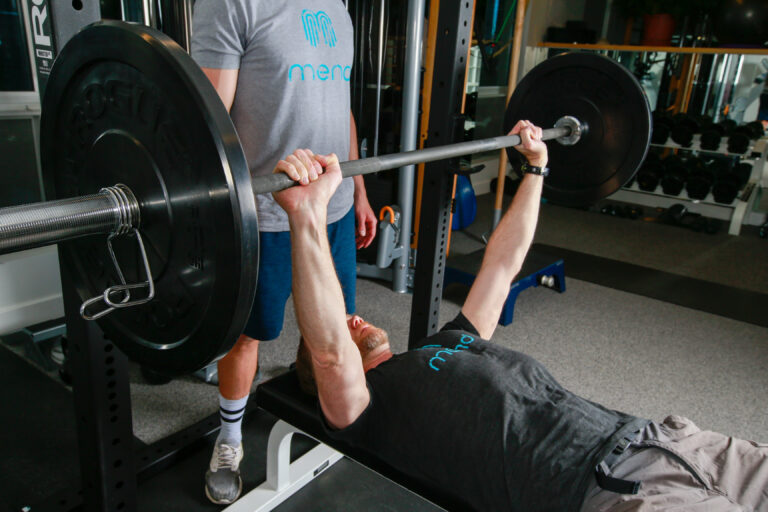
Athletes prepare for their sport through strength training, warm-ups, conditioning, workload management, and recovery. Musicians deserve the same approach. As both a musician and a physical therapist, I’ve seen firsthand how thinking like an athlete can help musicians improve comfort, endurance, confidence, and long-term performance.
Why Musicians Are at Risk for Injury
Every instrument places unique physical demands on the body. A guitarist may spend hours in a sustained neck and shoulder position while performing repetitive finger and wrist movements. A violinist manages asymmetrical demands through the neck, shoulder, and upper extremity. A drummer repeatedly generates force through the wrists, elbows, shoulders, and trunk.
These demands aren’t inherently harmful. Musician injuries often occur when the workload placed on the body exceeds its current capacity. This can happen after a sudden increase in rehearsal time, learning demanding new repertoire, preparing for a performance or tour, or returning to playing after time away.
Research on playing-related musculoskeletal disorders in musicians has identified playing volume and sudden increases in workload as important contributors to injury. Effective management involves more than correcting posture. It requires considering strength and movement alongside endurance, technique, practice habits, and the total demands placed on the body.
In other words, it’s rarely just “bad posture.” More often, there is a mismatch between workload and physical preparedness.
Train Like It’s Your Sport
An athlete wouldn’t run a marathon without gradually building mileage. A musician shouldn’t jump from occasional practice to several hours a day without giving the body time to adapt.
If you want to prevent musician injuries and improve your physical capacity for playing, consider:
- Build strength and endurance to support the demands of your instrument.
- Warm up physically before demanding practice or performance.
- Progress playing time gradually, particularly after time away from your instrument.
- Increase difficulty and intensity progressively rather than making large jumps.
- Take intentional recovery breaks during long practice sessions.
- Address pain early rather than repeatedly pushing through symptoms.
Research on physical therapy for musicians supports exercise, conditioning, patient education, postural and biomechanical analysis, and appropriate workload management as important components of preventing and managing playing-related musculoskeletal problems.
Physical Warm-Ups Matter for Musicians
Musicians often warm up musically but skip the physical warm-up.
Before you play, consider spending five to ten minutes preparing your body with light movement. A brief walk, gentle shoulder movements, comfortable neck motion, and hand or finger movements appropriate for your instrument can help transition your body into practice or performance.
Then ease into your playing. Start with simple, lower-demand material before jumping into anything fast, loud, technically difficult, or physically demanding.
A musical warm-up prepares your skills. A physical warm-up prepares the body performing those skills.
Manage Your Practice Load
Practice is training. Treat it that way.
A sudden increase in playing time is similar to suddenly doubling your weekly running mileage. Your body may tolerate the change, but the risk of overload increases when workload exceeds your current capacity.
Build playing duration and intensity gradually, especially after:
- A vacation or extended break from playing
- Illness
- An injury
- A change in instrument
- Learning demanding new repertoire
- Starting a new performance season
- Preparing for a major audition or concert
- Increasing rehearsal or touring schedules
Take recovery breaks before discomfort becomes significant. One commonly used practice strategy is taking approximately five minutes away from playing every 25 minutes. During your break, change positions, stand up, move your shoulders, and allow your hands and arms to relax.
The right practice-to-break ratio will vary from musician to musician, so consider your symptoms, workload, instrument, and performance demands when developing your routine.
Common Musician Injuries and Warning Signs
Playing-related injuries can affect many areas of the body. Musicians commonly experience symptoms involving the:
Overuse and repetitive strain can contribute to pain and other playing-related musculoskeletal disorders. Research also emphasizes the importance of an individualized, instrument-specific approach because the physical demands of piano, strings, percussion, woodwinds, brass, and other instruments are different.
Pay attention to symptoms such as pain, tingling, numbness, weakness, fatigue, or changes in your ability to play. Symptoms that consistently appear or worsen during practice or performance deserve attention, since untreated overuse injuries are how playing-related chronic pain develops in the first place.
Pain isn’t a character test. It is information.
Physical Therapy for Musicians
Musicians don’t necessarily need to stop playing whenever they experience pain. Instead, the goal is to understand what is contributing to the symptoms and determine how to safely modify the demands on the body.
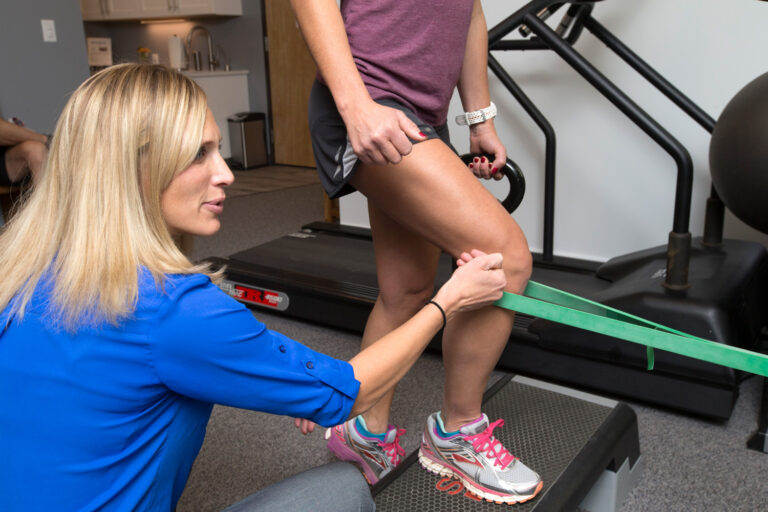
Physical therapy for musicians can include an evaluation of strength, mobility, movement patterns, playing position, practice habits, and workload. A physical therapist familiar with musicians can help identify contributing factors and develop an individualized plan that may include strengthening, mobility work, movement retraining, manual therapy, workload modification, and a gradual return to playing.
If hypermobility is part of what’s driving your symptoms, our guide to physical therapy for hypermobile performing artists covers stability-focused strategies that pair well with the workload approach here.
The goal isn’t simply to eliminate pain. It’s to help you build the strength, endurance, and physical capacity required to perform your instrument sustainably.
Think Like an Athlete. Play for the Long Term.
Your body isn’t separate from your musicianship. It is the system through which your musicianship is expressed.
Thinking like an athlete doesn’t make music less artistic. It gives you a practical framework for protecting the physical capacity that allows you to create, practice, perform, and enjoy music for years to come.
Warm up. Build capacity. Manage your workload. Recover intentionally. And get help when something doesn’t feel right.
That’s how musician-athletes stay in the game.
Physical Therapy for Musicians in Boulder, CO
If you’re a musician in Boulder, Colorado, dealing with pain, tension, fatigue, weakness, or uncertainty about how to structure your practice, specialized physical therapy can help.
At Mend Colorado, we work with performing artists and musicians to address playing-related injuries, improve strength and endurance, and develop individualized strategies for sustainable performance. Mend’s Boulder physical therapy team treats musicians as highly skilled performers with specific physical demands, not simply as another orthopedic patient.
As a physical therapist and fellow musician, I work with musicians to reduce pain, build the strength and endurance specific to their instrument, and create a plan for long-term, sustainable playing.
Ready to play with more confidence? Book a session with Dr. Mary Pezzella and get started.