By: Kristin Carpenter, PT, DPT, OCS, FAAOMPT
If you’re a woman in your 40s or 50s and suddenly experiencing more joint pain, muscle aches, or back pain, you’re not imagining it. Many women notice new or worsening musculoskeletal pain during perimenopause, the hormonal transition leading up to menopause.
These symptoms can feel confusing especially if your lifestyle or exercise routine hasn’t changed. But research shows that hormonal changes, particularly declining estrogen, play a major role in pain and injury risk during midlife.
How Common Is Musculoskeletal Pain During Perimenopause?
Musculoskeletal pain is common as adults age, but women experience a notable increase during the menopause transition.
A recent systematic review and meta-analysis of more than 93,000 women found that:
- 40% of premenopausal women reported muscle or joint pain
- 57–59% of perimenopausal and postmenopausal women reported pain
Back pain was also significantly higher:
- 42% of premenopausal women
- 57% of perimenopausal women
- 59% of postmenopausal women
These findings highlight that perimenopause is a critical period when musculoskeletal symptoms often increase.
Why Hormonal Changes Can Cause Joint and Muscle Pain
Some medical providers may attribute increasing aches and pains in midlife simply to aging. However, research shows that estrogen has important effects on nearly every tissue in the body, including:
- Muscle
- Tendons
- Ligaments
- Cartilage
- Bone
As estrogen levels decline during perimenopause, several changes occur that may contribute to pain.
Reduced Muscle Mass and Strength
Estrogen plays a role in maintaining muscle function and lean muscle mass. Declining estrogen may reduce muscle capacity, which results in normal exercise routines more closely approaching tissue fatigue and failure and increases vulnerability to injury, fatigue, and pain.
Increased Inflammation
Estrogen also has anti-inflammatory effects in the body. Lower hormone levels may create a more pro-inflammatory environment, which can contribute to:
- Joint stiffness
- Tendon pain
- Osteoarthritis progression
- Adhesive capsulitis (frozen shoulder)
These changes may explain why women often notice new joint pain, tendon pain, or persistent muscle soreness during perimenopause.
What Helps Perimenopausal Joint and Muscle Pain?
While research on targeted interventions is still emerging, experts recommend a multimodal approach to managing pain during perimenopause. Some women may benefit from menopausal hormone therapy (MHT), which has some evidence for reducing musculoskeletal symptoms. It’s important to discuss with your medical provider whether MHT is appropriate for you. Exercise and physical therapy remain the cornerstone of long-term pain management, injury prevention and optimizing function regardless of whether or not MHT is on board.
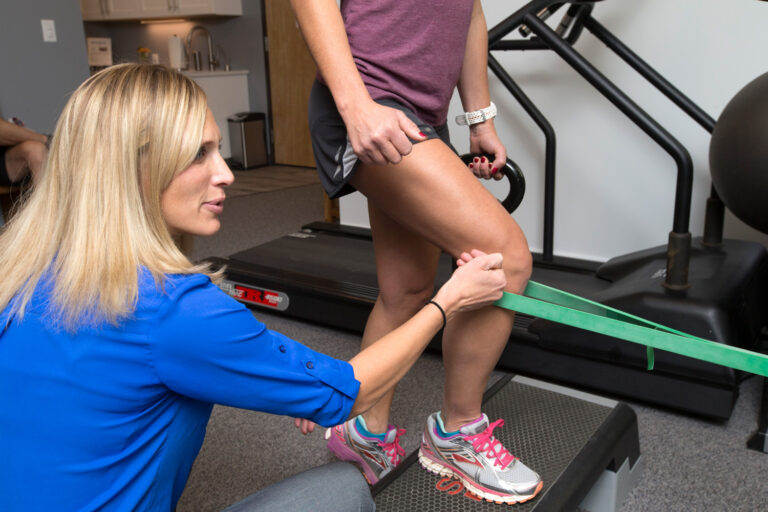
Physical therapy helps address the root causes of pain including muscle weakness, reduced exercise capacity, mobility and altered movement patterns that often emerge during hormonal transitions. At Mend, our women’s health physical therapy team uses hands-on treatments combined with targeted exercise to help women move better, feel better and improve quality of life.
Evidence-Based Treatments for Pain Relief
Our clinicians may use a combination of techniques such as:
- Spinal manipulation – Helps reduce lower back pain, neck pain, and headaches.
- Joint mobilization – Improves joint movement and reduces pain associated with conditions such as arthritis, frozen shoulder or plantar fasciitis.
- Dry needling – Addresses myofascial pain, nerve pain, improves blood flow to injured tissue, reduces pain related to joint arthritis, enhances muscle function and performance, promotes athletic recovery
These treatments are most effective when paired with progressive strength, cardiovascular and movement training.
The Best Exercise Approach for Women in Perimenopause
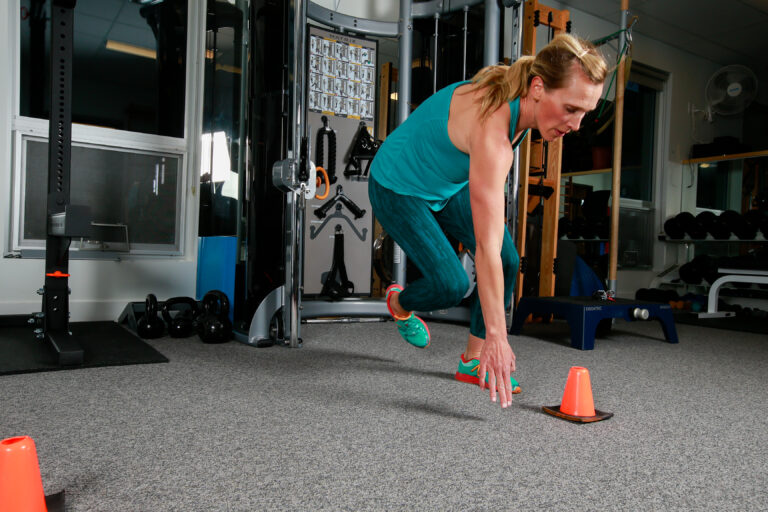
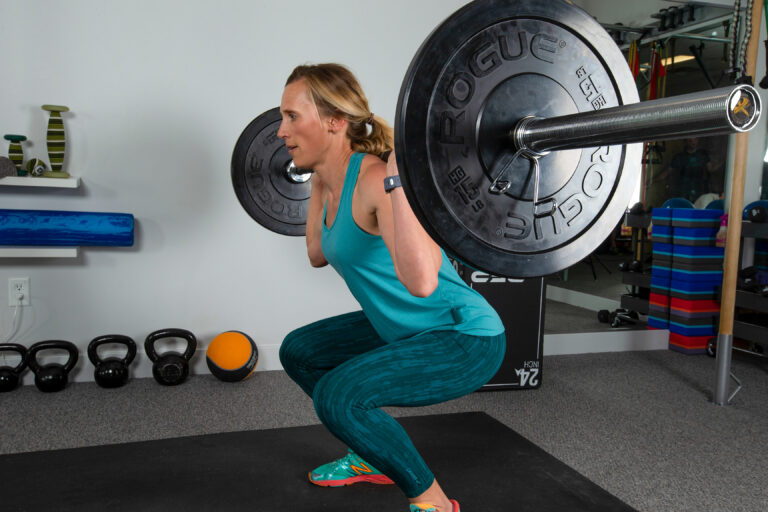
The goal of exercise during perimenopause is to build resilience in the musculoskeletal system, improve metabolic health, reduce chronic inflammation, support hormone function and protect long-term health. This is achieved through a combination of resistance and cardiovascular training.
At Mend, our programs emphasize evidence-informed exercise strategies that support:
- Bone density
- Lean muscle mass
- Metabolic health
- Longevity
- Injury prevention
We offer several ways to support women through this transition:
- Individualized exercise prescription integrated into your Physical Therapy plan of care
- 1-on-1 personal training with a Doctor of Physical Therapy through our MPowered program, combining rehabilitation expertise with strength training
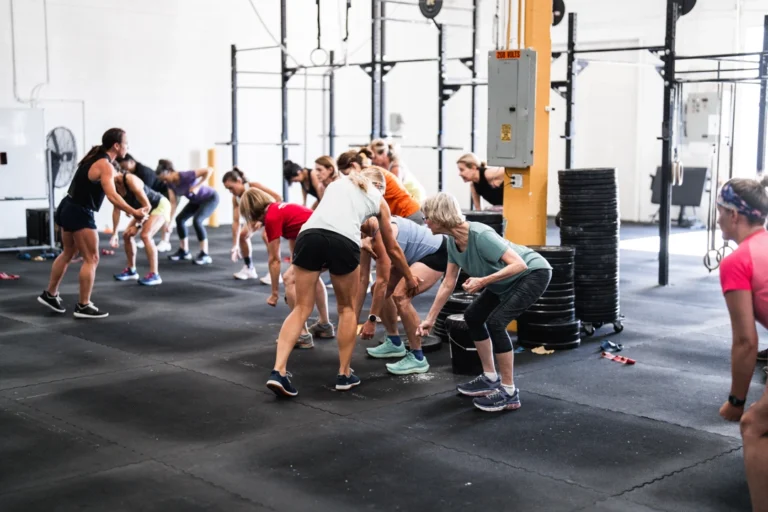
- Women-specific group exercise classes – Coached by Doctors of Physical Therapy and expert trainers in Boulder and Louisville.
Perimenopause Is a Turning Point for Long-Term Health
The perimenopause transition is more than a hormonal shift – it’s a critical window for investing in your long-term health. The exercise habits and treatment strategies you adopt now can influence overall quality of life.
Get Help for Perimenopause Pain
If you are experiencing increased joint pain, muscle aches, or reduced exercise tolerance during perimenopause, working with an orthopedic and women’s health physical therapist can help alleviate pain and regain strength and confidence. The women’s health experts at Mend specialize in helping women reduce pain, prevent injury, and stay strong through the lifespan.
Contact us to learn more about our physical therapy, personal training, and women-specific exercise programs.
Reference
Kruse C, McKechnie T, Dworsky-Fried J, et al. Musculoskeletal Manifestations of Perimenopause: A Systematic Review and Meta-Analysis of 93,021 Women. JBJS Open Access. 2026;11(1).